Zahra DA7’s Multifaceted Career Trajectory: From Dangdut Stage to Hijabi Model in Malaysia, A Strategic Evolution

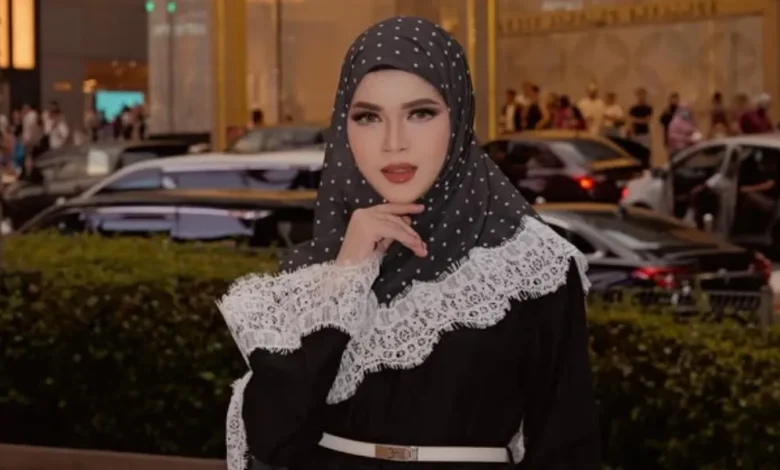
The dynamic landscape of Indonesian entertainment continues to witness its talents diversify their skill sets, and Zahra DA7, known officially as Zahra Sima, stands as a prominent example of this evolving trend. Hailing from Tanjungbalai, North Sumatra, Zahra has transitioned from her initial identity as a dangdut singer, refined through her participation in the prestigious D’Academy 7, to embrace broader artistic horizons, including roles as an accomplished MC and, most recently, a sought-after model. Her latest endeavor, a captivating photoshoot in Malaysia where she appeared elegantly adorned in a hijab, underscores a strategic expansion of her brand and an astute recognition of the burgeoning modest fashion market. This significant career pivot highlights her versatility and adaptability within the competitive entertainment industry, marking a new chapter for the young artist.
The Genesis of a Talent: Zahra Sima’s D’Academy Journey
Zahra Sima first captured national attention as a contestant on D’Academy 7 (Dangdut Academy 7), one of Indonesia’s most popular and influential reality singing competitions, broadcast on Indosiar. D’Academy has served as a pivotal launchpad for numerous aspiring dangdut singers since its inception, transforming regional talents into national stars. The show’s format is rigorous, involving multiple rounds of auditions, live performances, and public voting, designed to identify and cultivate the next generation of dangdut icons. Contestants are not only judged on their vocal prowess but also on their stage presence, charisma, and ability to connect with a diverse audience.
While Zahra’s journey on D’Academy 7 saw her reach the Top 13, a commendable achievement given the thousands of hopefuls who audition, she did not advance to the final stages like some of her contemporaries, such as Arbil, Valen, Mila, Tasya, or April, who achieved more prominent placements or even secured victories. Reaching the Top 13 in D’Academy signifies a substantial level of talent and resilience, exposing contestants to a massive national audience and providing invaluable experience in a high-pressure environment. For many, participation alone is a significant career catalyst, opening doors to various opportunities within the entertainment sector. The show’s immense popularity ensures that even those who do not win often gain a dedicated fanbase and industry recognition, laying the groundwork for subsequent career developments.
The Allure of Dangdut and Talent Show Impact in Indonesia
Dangdut, a uniquely Indonesian musical genre characterized by its fusion of Malay, Arabic, and Indian folk music, remains profoundly popular across the archipelago. Its rhythmic melodies, often accompanied by distinctive tabla and gendang beats, resonate deeply with a broad demographic. Talent shows like D’Academy have played a crucial role in revitalizing and modernizing dangdut, introducing new artists and styles to younger generations while preserving its traditional essence. These platforms offer an unparalleled pathway to fame, often bypassing the traditional, more arduous routes of artist development.
The impact of D’Academy extends beyond mere entertainment; it is a cultural phenomenon that shapes musical tastes and creates national idols. Alumni of the show often embark on careers that transcend music, leveraging their newfound celebrity status into acting roles, brand endorsements, and media appearances. This diversification is almost a standard expectation for successful talent show participants, as the industry demands multi-talented personalities capable of engaging audiences across various platforms. Zahra Sima’s evolution into an MC and model is a testament to this prevailing industry trend, demonstrating her understanding of the dynamic demands placed upon modern entertainers.
A Strategic Pivot: From Stage Performer to Event Host
Following her D’Academy journey, Zahra Sima quickly demonstrated her versatility by venturing into event hosting, becoming a recognized MC. The role of an MC requires a distinct set of skills, including excellent communication, quick wit, stage presence, and the ability to engage and control an audience. This transition from a singing contestant to a host is a common trajectory for many Indonesian artists, as it capitalizes on their public recognition and charisma. Zahra’s ability to seamlessly shift into this role underscored her adaptability and her innate capacity to connect with people beyond the confines of a musical performance.
Her experience as an MC would have honed her public speaking skills, improved her stage confidence, and broadened her network within the entertainment industry. This phase of her career was crucial in solidifying her image as a versatile personality, capable of handling various public-facing roles. It also allowed her to maintain visibility and relevance while exploring new avenues for creative expression and professional growth, laying the groundwork for even more diverse opportunities.
The Leap into Modeling: A New Dimension with a Distinctive Touch
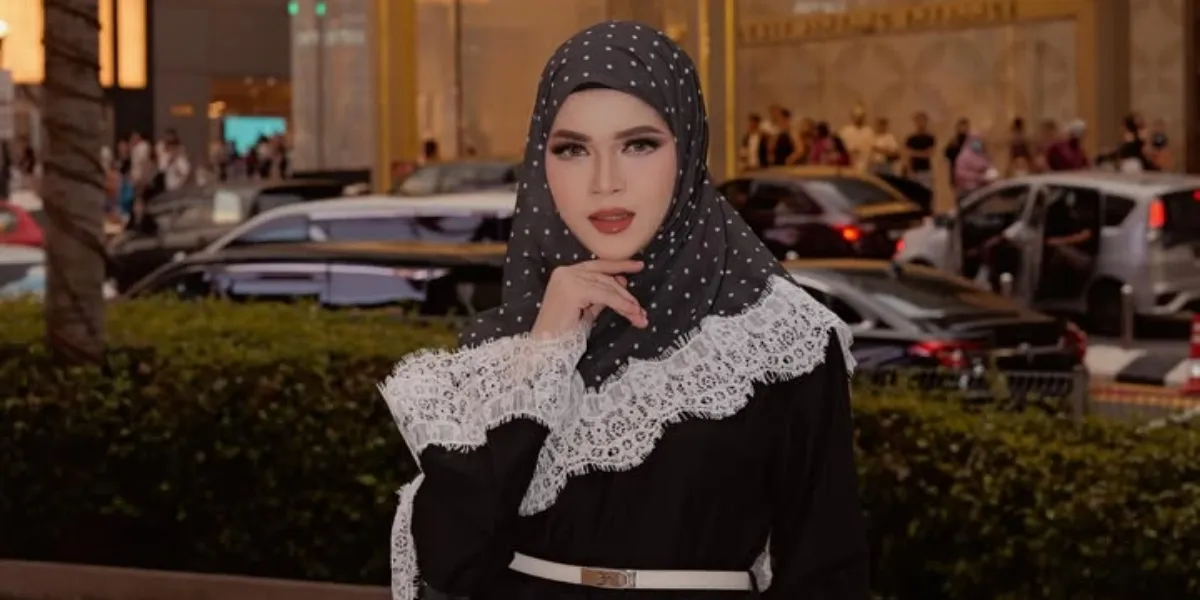
The latest and perhaps most significant expansion of Zahra’s career is her debut as a model, particularly notable for her choice to appear in a hijab during a photoshoot conducted in Malaysia. This move is highly strategic and carries multiple implications for her personal brand and broader industry trends. The decision to model in a hijab is not merely a stylistic choice; it positions Zahra within the rapidly expanding global market for modest fashion, a segment that has seen exponential growth in recent years.
The modest fashion industry, catering to consumers who prefer clothing that is less revealing while still being stylish and contemporary, is a multi-billion-dollar market. Indonesia and Malaysia, with their large Muslim populations and vibrant fashion scenes, are at the forefront of this movement. By embracing the hijab in her modeling work, Zahra taps into a significant demographic that values both religious adherence and fashion-forward aesthetics. This move allows her to become a role model for many young Muslim women, demonstrating that piety and participation in the glamorous world of entertainment are not mutually exclusive. It also distinguishes her from many other artists who might shy away from such an overt display of religious identity in mainstream modeling.
The choice of Malaysia as the location for this photoshoot is also significant. Malaysia shares cultural and religious ties with Indonesia, and its fashion industry is equally dynamic, with a strong emphasis on modest wear. A cross-border collaboration suggests a broader regional appeal and potential for Zahra to build a fanbase and professional network beyond Indonesia’s borders. Such international exposure can significantly elevate an artist’s profile and open doors to diverse markets.
Collaboration and Context: The Significance of "Bareng Fuji"
While the original snippet briefly mentions "bareng Fuji" (with Fuji) in relation to the photoshoot, this detail holds substantial weight. Fujianti Utami Putri, widely known as Fuji, is an immensely popular Indonesian social media influencer and celebrity. Her massive following across platforms like Instagram and TikTok makes her a powerful figure in youth culture and digital marketing. A collaboration between Zahra Sima and Fuji for a modeling campaign suggests a high-profile project, likely for a well-known brand, and signifies Zahra’s growing prominence and marketability.
Such a collaboration brings together two distinct fanbases, amplifying the reach and impact of the campaign. For Zahra, it means associating her brand with a highly visible and trendsetting personality, potentially introducing her to Fuji’s millions of followers who might not have been familiar with her musical background. This strategic partnership underscores the interconnectedness of various entertainment segments—music, social media, and fashion—and how artists must leverage these connections to build a sustainable and diverse career in the modern age. It also implies that the photoshoot was likely a commercial endeavor, perhaps for a fashion line, a beauty product, or a lifestyle brand targeting young, fashion-conscious consumers in Southeast Asia.
Implications and Broader Impact
Zahra Sima’s expansion into modeling, particularly with a focus on modest fashion and international collaboration, carries several important implications:
-
Career Diversification and Longevity: By not solely relying on her singing career, Zahra is building a more robust and sustainable presence in the entertainment industry. Diversifying her skills and brand reduces dependence on a single income stream and opens up more opportunities for long-term engagement. This multi-hyphenate approach is increasingly essential for artists in a rapidly changing media landscape.
-
Pioneering Modest Representation: Her decision to model in a hijab contributes significantly to the visibility and normalization of modest fashion within mainstream media. This not only caters to a specific market but also challenges traditional notions of beauty and glamour in the entertainment world, fostering greater inclusivity and representation. It empowers other Muslim women to pursue similar paths without compromising their values.

-
Regional Entertainment Market Integration: The Malaysian photoshoot indicates a strategic move to tap into the broader Southeast Asian market. This cross-border collaboration can strengthen cultural ties and foster a more integrated regional entertainment industry, where artists can find success beyond their national boundaries. Such ventures are crucial for artists seeking international recognition and a wider audience base.
-
Strategic Branding: Zahra’s journey from a dangdut singer to an MC and now a hijabi model showcases a carefully crafted personal brand. It demonstrates her ability to adapt to market demands while maintaining an authentic identity. This strategic branding will be vital in cultivating a loyal fanbase and attracting diverse commercial opportunities.
-
Role Model Status: For many young people, especially those in conservative communities, Zahra’s success as a hijabi model can serve as a powerful inspiration. It proves that one can pursue a career in the public eye, including fashion and entertainment, while adhering to religious and cultural values. This aspect of her career can have a significant positive social impact.
The Evolving Landscape of Talent Management
Zahra’s career trajectory also sheds light on the evolving strategies employed by talent management in the Indonesian entertainment industry. In today’s digital age, artists are no longer confined to a single art form. Management teams are actively seeking ways to leverage an artist’s initial fame—often gained through talent shows—into a multi-faceted career that spans music, acting, hosting, modeling, and digital content creation. This approach maximizes an artist’s earning potential and extends their relevance beyond a fleeting moment of stardom.
For Zahra, her management likely identified the untapped potential in the modest fashion market and her innate ability to present herself gracefully and professionally. The collaboration with a prominent figure like Fuji further underscores a calculated move to maximize exposure and market penetration. This holistic approach to talent development is crucial for navigating the competitive and ever-changing entertainment landscape.
Conclusion: A Star on the Rise, Redefining Boundaries
Zahra DA7, or Zahra Sima, represents the modern Indonesian entertainer: multi-talented, adaptable, and culturally aware. Her journey from the competitive stages of D’Academy 7 to embracing roles as an MC and now a distinguished hijabi model in Malaysia is a compelling narrative of growth and strategic evolution. While her D’Academy run might not have culminated in a championship, her subsequent career choices demonstrate a keen understanding of the industry’s demands and an unwavering commitment to broadening her artistic horizons.
Her foray into modest fashion modeling, particularly in collaboration with an influential figure like Fuji and with an international footprint in Malaysia, positions her as a significant player in a rapidly growing market. Zahra is not just expanding her career; she is also contributing to the evolving representation of Muslim women in mainstream media, proving that talent, faith, and fashion can indeed coexist harmoniously. As she continues to explore new avenues, Zahra Sima stands as an inspiring figure, poised to make an even greater impact on the regional and potentially global entertainment scene. Her story is a testament to the power of diversification and strategic branding in building a lasting legacy in the dynamic world of entertainment.