Can Breast Cancer Be Cured? Understanding Diagnosis, Early Detection, and Treatment Options


Breast cancer remains one of the most formidable health challenges confronting women globally, instilling widespread apprehension due to its prevalence and potential severity. However, contemporary advancements in oncology have transformed the medical landscape, offering substantial hope and significantly improved survival outcomes for those affected. A diagnosis of breast cancer is no longer an insurmountable verdict; rather, it marks the commencement of a structured medical journey where timely intervention can alter the trajectory of the disease. Medical science continually emphasizes that the probability of recovery is inextricably linked to the stage of the disease at the time of detection and the biological responsiveness of the tumor to targeted therapies. Understanding the nuances of early diagnosis, recognizing subtle physical symptoms, and navigating the vast array of modern treatment modalities are critical components in mitigating the impact of this condition.
To comprehend the realities of breast cancer recovery, one must examine the fundamental principles of oncological staging and tumor biology. Clinically, breast cancer is categorized into distinct stages, ranging from stage zero and stage one—where the malignant cells remain localized—to advanced stages where the disease metastasizes to distant organs such as the bones, liver, lungs, or brain. When diagnosed in its nascent stages, breast cancer exhibits exceptionally high rates of successful treatment outcomes. Conversely, when the disease has progressed significantly before detection, complete eradication becomes substantially more complex. Nonetheless, even in advanced stages, modern palliative and therapeutic interventions are designed to suppress tumor progression, alleviate distressing symptoms, and preserve a high quality of life for the patient.
Medical professionals and oncological specialists stress that public awareness serves as the primary line of defense against the morbidity associated with breast cancer. Dr. Sonar Soni Panigoro, an oncology consultant and surgical specialist at Eka Hospital BSD, highlights the pivotal role that early symptom recognition plays in clinical success. According to Dr. Sonar, familiarizing patients with the initial signs of anomalous cellular changes empowers them to seek medical evaluations promptly, thereby enabling healthcare providers to formulate precise, highly effective therapeutic strategies. "Penanganan pada stadium dini juga membuka peluang lebih besar untuk memperoleh hasil pengobatan yang optimal," Dr. Sonar noted, translating to the fundamental truth that early-stage management exponentially increases the likelihood of achieving optimal medical results. Consequently, healthcare campaigns consistently urge women to remain vigilant regarding bodily changes and to eliminate any hesitation when scheduling professional evaluations for suspicious anomalies.
Comprehensive Overview of Symptoms and Early Identification
Recognizing the subtle and overt indicators of breast pathology is an essential skill for proactive healthcare management. While many individuals associate breast cancer exclusively with distinct, painful masses, the clinical presentation of the disease is remarkably diverse. Medical literature and oncology guidelines outline several key physical manifestations that warrant immediate clinical evaluation.
The most frequently recognized sign is the emergence of a palpable lump or thickening within the breast tissue or the underarm axillary region. However, clinicians emphasize that not all lumps are malignant; benign conditions such as cysts, fibroadenomas, and lipomas are exceedingly common. Nevertheless, distinguishing between benign and malignant growths requires professional diagnostic assessment. Furthermore, malignant transformations often alter the structural architecture of the breast, leading to visible skin changes. These can include skin dimpling, puckering, or areas where the integument appears taut and pulled inward.
Additional physical indicators involve structural transformations of the nipple and areola complex. Unexplained inversions, sudden directional changes of the nipple, or persistent scaling and flaking demand clinical scrutiny. Pathological nipple discharge—particularly if it occurs spontaneously, is unilateral, or contains traces of blood—is another critical red flag that necessitates comprehensive investigation. Moreover, localized inflammatory processes can manifest as persistent rashes, unexplained warmth, or skin thickening that resembles the texture of an orange peel, clinically referred to as peau d’orange.
Crucially, medical experts advise against the common misconception that pain is a reliable indicator of malignancy. In its early stages, breast cancer is frequently painless, leading many individuals to dismiss asymptomatic lumps until the disease has advanced. Healthcare providers reiterate that any persistent, unexplained deviation from an individual’s normal breast baseline should be evaluated by a qualified medical practitioner, irrespective of the presence or absence of pain.
Diagnostic Protocols and the Importance of Routine Screening
The journey from initial symptom recognition to definitive diagnosis involves a multi-tiered approach utilizing advanced medical imaging and pathological analysis. Routine screening protocols are designed to detect micro-calcifications and small tumors before they become palpable through self-examination.
Medical guidelines recommend that women engage in regular health consultations to establish a personalized screening schedule tailored to their individual risk profiles, age, and family medical history. While monthly breast self-examinations (BSE) empower individuals to become familiar with their normal anatomical contours and notice subtle deviations, clinical consensus maintains that self-examinations serve as a complement to, rather than a replacement for, professional diagnostic screening.
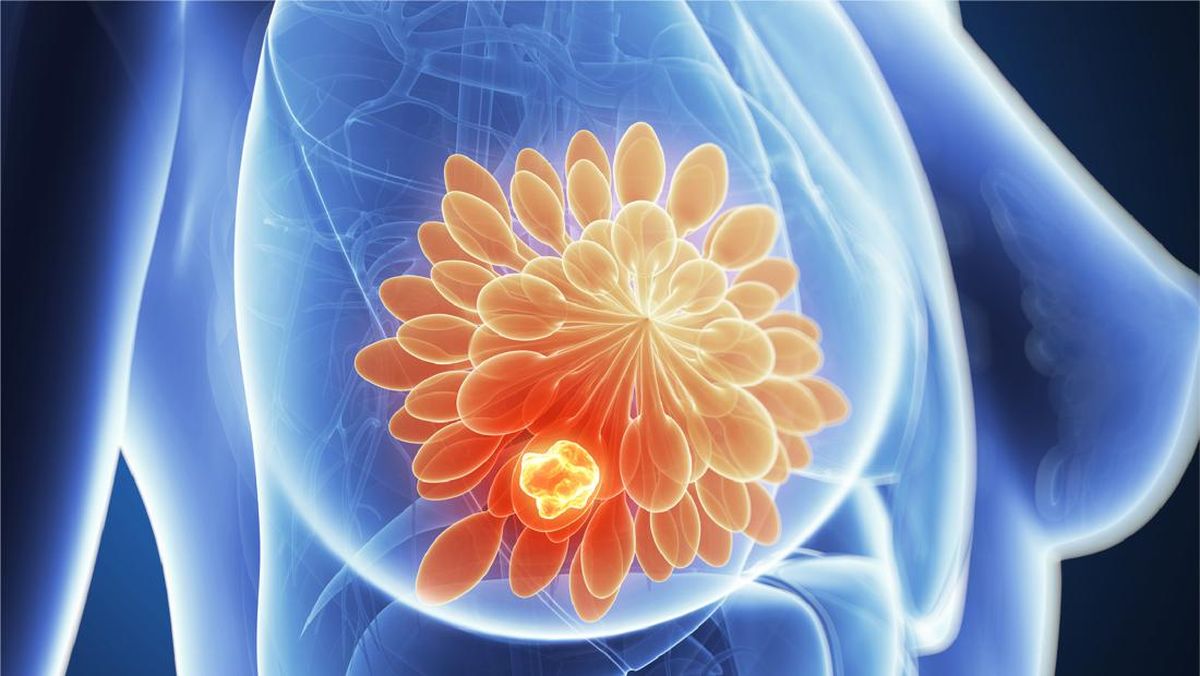
When a patient presents with suspicious symptoms or reaches the age recommended for routine mammography, physicians deploy a suite of diagnostic tools. Mammography remains the gold standard for initial imaging, utilizing low-dose X-rays to visualize internal breast structures. For individuals with dense breast tissue—a characteristic common among younger women—ultrasound imaging is frequently employed as an adjunct modality to provide clearer visualization of soft tissue anomalies.
If imaging studies reveal indeterminate or suspicious lesions, the diagnostic process advances to a tissue biopsy. During a biopsy, a small sample of the abnormal tissue is extracted and sent to a pathology laboratory, where specialists analyze cellular architecture, hormone receptor status (such as estrogen and progesterone receptors), and HER2/neu protein overexpression. This comprehensive pathological profiling is vital, as it dictates the precise classification of the cancer and informs the subsequent formulation of a targeted treatment plan. For women with a documented family history of breast cancer—particularly those carrying mutations in the BRCA1 or BRCA2 genes—genetic counseling and enhanced surveillance protocols are frequently implemented to manage elevated lifetime risk.
Modern Therapeutic Modalities in Breast Cancer Management
The management of breast cancer has evolved from radical, one-size-fits-all surgical procedures into a highly personalized, multidisciplinary paradigm. Therapeutic strategies are meticulously customized based on the cancer’s stage, histological grade, hormone receptor status, and the overall health and preferences of the patient. The primary modalities utilized in contemporary oncology include surgery, radiation therapy, chemotherapy, hormone therapy, and targeted biological treatments.
Surgical intervention remains a cornerstone for localized disease control. Depending on tumor size, location, and multifocality, surgeons may perform a breast-conserving surgery (such as a lumpectomy or partial mastectomy), which removes only the tumor and a surrounding margin of healthy tissue, or a total mastectomy, which involves the removal of the entire breast. In conjunction with primary breast surgery, evaluation of the regional lymph nodes—typically through sentinel lymph node biopsy or axillary lymph node dissection—is conducted to determine whether the cancer has spread beyond the primary site.
Radiation therapy is frequently administered following breast-conserving surgery to eradicate microscopic residual cancer cells within the remaining breast tissue, significantly reducing the local recurrence rate. In cases of advanced disease or high-risk features, radiation may also be directed at the chest wall and regional lymph nodes.
Systemic therapies play a crucial role in eliminating circulating cancer cells and reducing the risk of metastasis. Chemotherapy utilizes powerful cytotoxic drugs to destroy rapidly dividing cells, and it may be administered before surgery (neoadjuvant therapy) to shrink large tumors and make them operable, or after surgery (adjuvant therapy) to eliminate dormant micrometastases.
For hormone receptor-positive breast cancers, which account for a significant majority of cases, hormone therapy (endocrine therapy) is prescribed to block the body’s natural hormones—primarily estrogen—from fueling the growth of cancer cells. Drugs such as tamoxifen, aromatase inhibitors, and ovarian suppression agents are standard components of this long-term management strategy. Furthermore, targeted therapies and immunotherapies have revolutionized the treatment of specific molecular subtypes, such as HER2-positive breast cancer, by homing in on specific molecular pathways while sparing healthy cells from widespread toxicity.
Implications for Public Health and Future Outlook
The broader societal and economic implications of breast cancer necessitate sustained investments in public health infrastructure, educational outreach, and accessible healthcare services. Globally, late-stage presentation remains a primary driver of breast cancer mortality, particularly in low- and middle-income regions where screening infrastructure may be limited. Public health initiatives aimed at dismantling cultural stigmas, eliminating financial barriers to screening, and training primary care providers to recognize early symptoms are essential components of global cancer control strategies.
Epidemiological data underscore the urgency of these interventions. When detected and treated in localized stages, five-year survival rates for breast cancer soar significantly, often exceeding ninety percent in well-resourced healthcare environments. Conversely, metastatic disease presents profound clinical challenges, requiring continuous, lifelong management that places a heavy burden on healthcare systems and individual patients alike. Therefore, shifting the diagnostic curve toward earlier stages through robust screening programs and public education yields profound dividends in terms of reduced mortality, lower treatment costs, and enhanced societal productivity.
As medical research progresses, the future of breast cancer management points toward increasingly refined precision medicine. Genomic profiling, liquid biopsies for circulating tumor DNA, and novel immunotherapeutic agents hold the promise of even higher cure rates and minimized treatment-related side effects. However, the foundational message from oncological experts remains steadfast: vigilance, early detection, and prompt medical consultation are the most powerful tools available in the ongoing effort to overcome breast cancer and restore long-term health to affected individuals.