
Chicken Piccata With Capers
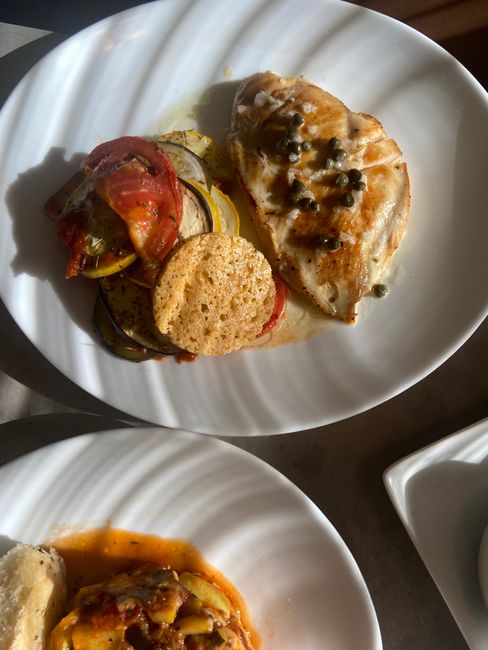
Chicken Piccata with Capers: A Culinary Masterpiece of Tangy Perfection
Chicken piccata with capers is a classic Italian-American dish renowned for its vibrant flavors and elegant simplicity. It involves thinly pounded chicken breasts, pan-seared to a golden-brown perfection, and then bathed in a bright, tangy sauce made from lemon juice, butter, white wine, and the distinctive salty pop of capers. This dish is deceptively easy to prepare, making it a weeknight favorite for home cooks seeking a restaurant-quality meal without the fuss. The beauty of chicken piccata lies in its balance: the richness of the butter and chicken is cut through by the acidity of the lemon and the briny notes of the capers, creating a harmonious and incredibly satisfying culinary experience. Its popularity stems from its ability to elevate humble chicken breasts into something truly special, a testament to the power of a few well-chosen ingredients and a straightforward cooking technique.
The foundational element of a successful chicken piccata is, naturally, the chicken itself. Opting for boneless, skinless chicken breasts is standard, offering a lean protein that cooks quickly and absorbs flavors beautifully. The key to achieving the characteristic tenderness and even cooking of piccata is the pounding process. Using a meat mallet or the flat side of a heavy pan, pound the chicken breasts to an even thickness of approximately ¼ to ½ inch. This not only tenderizes the meat but also ensures that it cooks uniformly, preventing any dry, overcooked edges while the center remains succulent. Employing a plastic wrap or parchment paper barrier during pounding helps prevent the chicken from tearing and keeps your kitchen clean. The pounded chicken should then be lightly dredged in all-purpose flour. This flour coating serves two crucial purposes: it helps to create a beautiful golden crust when pan-fried and also acts as a thickening agent for the piccata sauce, contributing to its luscious texture. Seasoning the flour with salt and freshly ground black pepper before dredging ensures that the chicken is seasoned from the exterior inwards, laying the groundwork for a flavorful dish.
The pan-searing of the floured chicken is where the magic of browning and texture begins. A generous amount of healthy cooking fat, such as olive oil or a blend of olive oil and unsalted butter, is heated in a large skillet over medium-high heat. The butter adds a nutty richness and aids in browning, while the olive oil provides a higher smoke point. Once the fat is shimmering, carefully place the floured chicken breasts into the hot skillet, ensuring not to overcrowd the pan. Overcrowding will steam the chicken rather than sear it, resulting in a pale and less appealing finish. Cook each side for approximately 3-4 minutes, or until a deep golden-brown crust has formed and the chicken is cooked through. The exact cooking time will vary depending on the thickness of the pounded chicken. It’s essential to resist the urge to move the chicken too much during this searing process; allow it to develop a proper crust before flipping. Once cooked, remove the chicken from the skillet and set it aside on a plate, tented loosely with foil to keep warm. This resting period allows the juices to redistribute within the meat, ensuring maximum tenderness and moisture.
The creation of the iconic lemon-butter sauce, often referred to as "piccata sauce," is the heart of the dish. After removing the chicken, any excess browned bits (fond) left in the skillet are crucial for building flavor. Lower the heat to medium and deglaze the pan by adding a splash of dry white wine, such as Pinot Grigio or Sauvignon Blanc. Scrape the bottom of the skillet with a wooden spoon to loosen and incorporate all those flavorful browned bits into the liquid. Allow the wine to simmer and reduce by about half, which concentrates its flavor and cooks off some of the alcohol. This deglazing step is fundamental to achieving a deeply savory and complex sauce. Once the wine has reduced, add chicken broth (low-sodium is recommended to control saltiness) and fresh lemon juice. The combination of white wine and lemon juice provides the characteristic bright, tangy, and slightly acidic profile that defines chicken piccata. Bring this mixture to a gentle simmer and let it cook for a few minutes, allowing the flavors to meld.
The addition of capers is what elevates chicken piccata to its signature status. Capers, the unripened flower buds of a caper bush, are typically preserved in brine or salt. Their intensely briny, slightly peppery, and piquant flavor is indispensable to the dish. For chicken piccata, it’s best to use capers packed in brine, as they are readily available and their liquid can be reserved for other culinary uses. Rinse the capers briefly under cold water to remove any excess salt if desired, though many prefer the full briny punch. Add the capers to the simmering lemon-wine broth. The heat will gently soften them and release their distinctive flavor into the sauce. The capers add a delightful textural contrast with their small, often burst-like quality when bitten into. Cook for another minute or two, allowing the capers to warm through and infuse the sauce.
The final enrichment of the piccata sauce comes from the generous addition of unsalted butter. Swirling in cold, cubed unsalted butter at the end of the sauce-making process is a technique known as "mounting" the sauce. This emulsifies the butter into the liquid, creating a richer, glossier, and more luxurious texture without making the sauce greasy. Remove the skillet from the heat temporarily and whisk in the cold butter, one or two cubes at a time, allowing each addition to melt and incorporate fully before adding the next. Continue whisking until the sauce is smooth, creamy, and slightly thickened. Taste the sauce and adjust seasoning with salt and freshly ground black pepper as needed. If the sauce is too tart, a pinch of sugar can be added, but this is usually unnecessary with the balanced acidity of the lemon and wine. The sauce should be vibrant and flavorful, ready to coat the chicken.
To serve, return the pan-seared chicken breasts to the skillet and gently nestle them into the warm piccata sauce. Spoon the sauce liberally over the chicken, ensuring each piece is coated with the tangy lemon-butter goodness and studded with capers. Allow the chicken to gently warm through in the sauce for a minute or two, reabsorbing some of the delicious flavors. The visual appeal of chicken piccata is as important as its taste. The golden chicken, glistening with the pale, emulsified sauce, dotted with the dark capers, and often garnished with fresh parsley, is a stunning presentation. Freshly chopped flat-leaf parsley is the traditional garnish, adding a pop of green color and a hint of fresh, herbaceous flavor that complements the richness of the dish.
Chicken piccata is incredibly versatile in its accompaniments, allowing for a range of culinary explorations. Classic pairings include starchy bases that can soak up the delectable sauce. Creamy mashed potatoes, fluffy white rice, or al dente pasta, such as spaghetti or linguine, are excellent choices. For a lighter, more vegetable-forward approach, consider serving it alongside steamed asparagus, sautéed green beans, or a simple mixed green salad. The bright flavors of the piccata sauce also stand up beautifully to roasted vegetables like broccoli or Brussels sprouts. The key is to choose a side that won’t overpower the delicate yet potent flavors of the chicken and its sauce, but rather enhance them.
The nutritional profile of chicken piccata can be managed depending on the preparation. Lean chicken breasts provide a good source of protein. The sauce, rich in butter and white wine, contributes healthy fats and carbohydrates. Capers offer trace minerals and antioxidants. When focusing on health, one can opt for less butter in the sauce, utilize olive oil judiciously, and pair the dish with nutrient-dense vegetables and whole grains for a balanced and satisfying meal.
Variations on the classic chicken piccata with capers abound, allowing for personalization and creative adaptation. Some cooks prefer to add a touch of garlic to the sauce for an extra layer of aromatic depth, sautéing minced garlic with the fond before deglazing with wine. Others might incorporate a splash of heavy cream into the sauce for an even more decadent and velvety finish, creating a dish akin to a creamy lemon chicken. A sprinkle of red pepper flakes can introduce a subtle hint of heat, balancing the tanginess with a gentle warmth. For those avoiding alcohol, the white wine can be omitted and replaced with an equal amount of additional chicken broth or a combination of broth and a tablespoon of white wine vinegar for acidity. While the classic remains a beloved standard, these modifications demonstrate the adaptability and broad appeal of the chicken piccata concept.
In summary, chicken piccata with capers stands as a testament to the power of simple, high-quality ingredients and precise execution. The tender, pan-seared chicken, coated in a vibrant sauce of lemon, butter, white wine, and the indispensable capers, offers a complex yet approachable flavor profile. Its ease of preparation makes it an ideal choice for both weeknight dinners and more formal entertaining, proving that culinary elegance doesn’t require an abundance of time or elaborate techniques. The dish’s enduring popularity is a clear indicator of its universally appealing taste and its ability to transform everyday ingredients into an extraordinary meal. Mastering chicken piccata means mastering the art of balancing acidity, richness, and brine, resulting in a dish that is both comforting and invigorating.
