
Cinco De Mayo Salsa Cruda
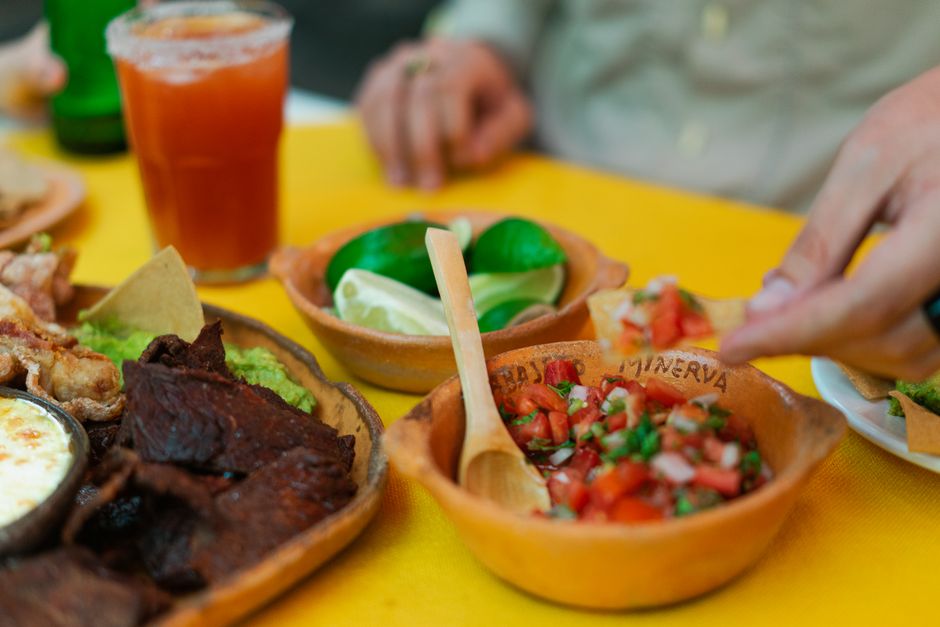
Cinco de Mayo Salsa Cruda: The Authentic, Fresh Taste of Celebration
Salsa cruda, meaning "raw salsa" in Spanish, is the cornerstone of authentic Mexican culinary celebrations, and nowhere is this more evident than during Cinco de Mayo. This vibrant, uncooked salsa embodies the spirit of fresh, readily available ingredients, a hallmark of traditional Mexican cooking that comes to the forefront as communities gather to commemorate the Battle of Puebla. Unlike its cooked counterparts, salsa cruda offers a bright, zesty explosion of flavor, its ingredients retaining their distinct textures and aromas, creating a sensory experience that is both invigorating and deeply satisfying. The simplicity of its preparation belies its complex flavor profile, a testament to the power of quality produce and the thoughtful balance of its components. For Cinco de Mayo, salsa cruda isn’t just a condiment; it’s a living embodiment of freshness, a celebratory staple that brings people together, its bright colors mirroring the festive atmosphere. Understanding the nuances of salsa cruda, from its core ingredients to its variations and cultural significance, is key to appreciating its role in this iconic Mexican holiday. Its popularity extends far beyond Mexico, becoming a globally recognized symbol of fresh, flavorful Mexican cuisine, particularly celebrated during Cinco de Mayo where its uncooked vibrancy truly shines.
The foundation of any superior salsa cruda lies in the quality and freshness of its core ingredients. At its heart are ripe, juicy tomatoes. Roma tomatoes, with their firm flesh and lower seed content, are often preferred for their ability to hold their shape and their balanced sweetness. However, other varieties like vine-ripened Beefsteak or even cherry tomatoes can be employed, each lending a slightly different nuance to the final salsa. The ripeness is paramount; underripe tomatoes will yield a watery, acidic salsa, while overripe ones can become mushy. The next crucial element is the onion. White onions are the traditional choice, offering a sharp, pungent bite that cuts through the sweetness of the tomatoes. Red onions can also be used, introducing a milder flavor and a beautiful visual contrast. The key is to dice the onion finely, ensuring it integrates harmoniously without overpowering other ingredients. Cilantro, with its herbaceous and slightly peppery notes, is non-negotiable in a classic salsa cruda. Its fresh, bright flavor is essential for that quintessential taste. When chopping cilantro, it’s advisable to use both the leaves and the tender stems, as they both contribute significantly to the overall aroma and flavor. Jalapeño peppers are the usual suspects for heat, though serranos can be substituted for a more intense burn. The amount of jalapeño is entirely personal preference, allowing for a spectrum of heat levels to suit any palate. It’s crucial to remove the seeds and membranes if a milder salsa is desired, as these are where the majority of capsaicin, the compound responsible for heat, resides. Finally, lime juice provides the essential acidity, a bright counterpoint that balances the richness of the tomatoes and the sharpness of the onion. Freshly squeezed lime juice is always superior to bottled, offering a cleaner, more vibrant citrus flavor. The interplay of these fundamental ingredients—sweet tomatoes, pungent onion, herbaceous cilantro, spicy pepper, and tangy lime—creates the addictive flavor profile that makes salsa cruda a beloved staple, especially when celebrating Cinco de Mayo with its emphasis on fresh, simple, and delicious food.
Beyond the essential components, several techniques and optional additions elevate salsa cruda from good to extraordinary, especially for a festive occasion like Cinco de Mayo. The texture of the salsa is as important as its flavor. Aim for a consistency that is neither too watery nor too chunky. Finely dicing the tomatoes, onions, and peppers is crucial. Some chefs advocate for a slight "crush" of the tomatoes, releasing some of their juice without turning them into pulp. This can be achieved by gently mashing them with a fork or the back of a spoon. Similarly, a very fine mince for the onion and peppers ensures a more cohesive salsa. The integration of flavors is also key. Once all the ingredients are chopped and combined, allowing the salsa to rest for at least 30 minutes, or even better, an hour or two, in the refrigerator is highly recommended. This resting period, often referred to as "marinating" in the context of uncooked ingredients, allows the flavors to meld and deepen. The acidity of the lime juice begins to subtly "cook" the onions and peppers, softening their raw bite and allowing their essences to infuse the entire mixture. This is particularly beneficial for Cinco de Mayo, as it allows the host to prepare the salsa in advance, reducing stress on the day of the celebration. Optional additions can further customize salsa cruda to specific tastes and enhance its celebratory appeal for Cinco de Mayo. Garlic, finely minced or even grated, can add another layer of pungent depth, though some traditionalists prefer to omit it to let the other ingredients shine. Cumin, a warm, earthy spice, can be added in a very small pinch to lend a subtle complexity. Smoked paprika can introduce a hint of smokiness, reminiscent of grilled flavors, without the actual grilling. A touch of oregano, preferably Mexican oregano, can add a distinct herbaceous note. For those who enjoy a touch of sweetness to balance the heat and acidity, a tiny pinch of sugar or a drizzle of agave nectar can be incorporated. Some recipes even call for a splash of good quality olive oil, which can add a smooth mouthfeel and further meld the flavors, though this is less common in strictly traditional versions. The beauty of salsa cruda lies in its adaptability, allowing it to be a canvas for personal expression, making it a perfect fit for the diverse and joyous nature of Cinco de Mayo gatherings.
The cultural significance of salsa cruda, particularly in relation to Cinco de Mayo, is deeply rooted in its historical and culinary context. Cinco de Mayo commemorates the Mexican army’s unlikely victory over the French Empire at the Battle of Puebla on May 5, 1862. While not a national holiday in Mexico, it is widely celebrated in the United States and in Puebla itself, often symbolizing Mexican-American heritage and pride. The food served during these celebrations reflects the abundance and freshness of Mexican agriculture. Salsa cruda, with its reliance on readily available, seasonal produce, perfectly embodies this spirit. Its preparation is an act of communal engagement, a shared experience of chopping, mixing, and tasting that strengthens bonds. In many Mexican households, the making of salsa is a tradition passed down through generations, with each family having its own subtle variations and secrets. For Cinco de Mayo, the preparation of a large batch of salsa cruda is often a pre-celebration ritual, involving family members working together to prepare for the festive meal. It’s a visual and gustatory representation of Mexican resilience and resourcefulness, turning simple ingredients into something extraordinary. The vibrant colors of the tomatoes, onions, and cilantro symbolize the life and energy of Mexico. Its presence on the table, alongside other traditional dishes like mole poblano, chiles en nogada (though these are more specific to Puebla’s history), tacos, and enchiladas, is a testament to the enduring power of Mexican culinary traditions. The fact that salsa cruda is served uncooked emphasizes a connection to the earth and the natural cycles of food production, a concept that resonates with the themes of harvest and abundance often celebrated around significant cultural dates. The global recognition of salsa cruda as an emblem of Mexican cuisine, especially amplified during Cinco de Mayo festivities in the US, highlights its role not just as food, but as a cultural ambassador. It’s a reminder of the rich history, the vibrant culture, and the delicious flavors that Mexico has contributed to the world.
The versatility of salsa cruda as a celebratory accompaniment for Cinco de Mayo is unparalleled. Its bright, fresh profile makes it the perfect foil for a wide array of traditional Mexican dishes. Tacos, whether filled with succulent carnitas, spicy al pastor, or tender barbacoa, are instantly elevated by a generous dollop of salsa cruda. The acidity cuts through the richness of the meat, while the freshness of the vegetables provides a welcome contrast. Quesadillas, whether simple cheese or filled with complex meats and vegetables, find their perfect partner in salsa cruda, its zesty kick adding a dynamic dimension. Nachos, a popular celebratory snack, are transformed from a simple cheese-covered chip to a vibrant fiesta of flavors with the addition of salsa cruda. It adds a layer of freshness and complexity that complements the melted cheese and savory toppings. Even simpler dishes like grilled meats or fish benefit immensely from the bright acidity and herbaceous notes of salsa cruda. It can be used as a refreshing topping for grilled chicken or steak, adding a burst of flavor that awakens the palate. For those looking for a lighter option, salsa cruda is a fantastic accompaniment to grilled vegetables or even as a flavorful dip for sturdy tortilla chips, a staple at any Cinco de Mayo gathering. Beyond its role as a topping or dip, salsa cruda can also be incorporated as a flavoring agent within dishes. It can be mixed into guacamole for an extra layer of texture and flavor, or used to marinate chicken or fish before grilling. For more adventurous cooks, a small amount can be added to rice or bean dishes to infuse them with a fresh, zesty note. The key to its success lies in its ability to enhance, rather than overpower, the other flavors on the plate. Its uncooked nature means that its vibrant flavors remain distinct, providing a delightful contrast to the often rich and savory dishes that characterize Cinco de Mayo feasts. Its simplicity allows it to be the perfect counterpoint to more complex culinary creations, ensuring a balanced and exciting dining experience.
The practicalities of preparing and serving salsa cruda for a Cinco de Mayo celebration are straightforward, but attention to detail ensures optimal flavor and presentation. For optimal freshness and flavor, it’s best to prepare salsa cruda no more than 12-24 hours in advance of your Cinco de Mayo event. As mentioned, allowing it to rest in the refrigerator for at least an hour or two is crucial for flavor development. When it comes to storage, an airtight container is essential to prevent oxidation and the absorption of other odors from the refrigerator. While some recipes might call for a squeeze of extra lime juice just before serving to brighten the flavors, this is generally not necessary if the salsa has been properly prepared. When serving, consider presentation. A beautiful, rustic ceramic bowl or a clear glass bowl that showcases the vibrant colors of the ingredients can enhance the visual appeal of your Cinco de Mayo spread. Garnishing the salsa with a few extra sprigs of cilantro or a thin slice of jalapeño can add a touch of elegance. For larger gatherings, consider making multiple batches with varying levels of spice, clearly labeling them to cater to different guest preferences. This thoughtfulness ensures that everyone can enjoy the authentic taste of salsa cruda without concern. When it comes to pairing, offering a variety of high-quality tortilla chips is a must. Plain corn tortilla chips are classic, but consider also offering baked or seasoned varieties for added interest. If serving with tacos or other dishes, ensure the salsa is easily accessible and in sufficient quantity to accompany all the food. The ease of preparation, coupled with its universal appeal and authentic flavor, makes salsa cruda an indispensable element of any successful Cinco de Mayo celebration. Its simple elegance and vibrant taste are a testament to the enduring power of fresh, high-quality ingredients, a philosophy that lies at the heart of Mexican cuisine.
In conclusion, salsa cruda is far more than just a condiment; it is a vital component of the Cinco de Mayo celebration, embodying freshness, tradition, and vibrant flavor. Its preparation highlights the beauty of simple, high-quality ingredients, a cornerstone of authentic Mexican cuisine. The careful balance of ripe tomatoes, pungent onions, fresh cilantro, spicy peppers, and tangy lime juice creates a sensory experience that is both invigorating and deeply satisfying. Beyond its culinary merit, salsa cruda holds significant cultural weight, symbolizing resilience, resourcefulness, and the enduring spirit of Mexican heritage, particularly when honored during Cinco de Mayo. Its versatility makes it the perfect accompaniment to a wide array of traditional dishes, from tacos to quesadillas, elevating each bite with its bright, zesty character. The straightforward preparation and storage make it an ideal dish for hosts, allowing for advance preparation and stress-free entertaining. As Cinco de Mayo approaches, the preparation and enjoyment of salsa cruda serve as a tangible connection to Mexican culture, a delicious reminder of history, and a celebration of community. Its role is central to the festive atmosphere, providing a fresh, vibrant counterpoint to the rich flavors of traditional Mexican fare, making it an indispensable element for any authentic Cinco de Mayo gathering. The uncooked nature of salsa cruda ensures that its inherent freshness and bright flavors are preserved, making it a star player on any celebratory table.
