
Colorado Green Chili Chile Verde
Colorado Green Chili: The Authentic Chile Verde That Defines Rocky Mountain Cuisine
Colorado green chili, often mistakenly called chile verde, is a cornerstone of Rocky Mountain cuisine, distinct in its preparation and flavor profile from its more widely known Mexican cousin. This slow-simmered stew, characterized by its vibrant green hue and deeply savory taste, relies on a specific set of ingredients and a patient cooking process to achieve its iconic status. Unlike many other versions of chile verde that might feature pork, chicken, or even beans as the primary protein, traditional Colorado green chili centers on tender chunks of pork shoulder or butt, slow-cooked until fall-apart tender in a rich sauce dominated by roasted green chiles, tomatillos, and a judicious blend of aromatics. The magic lies not in a quick sauté or a speedy blend, but in the hours of simmering, allowing the flavors to meld and deepen, creating a complex tapestry of taste that is both comforting and exhilarating. This isn’t a dish for a weeknight rush; it’s a culinary undertaking that rewards patience with an unparalleled depth of flavor, embodying the spirit of hearty, frontier cooking that is synonymous with Colorado.
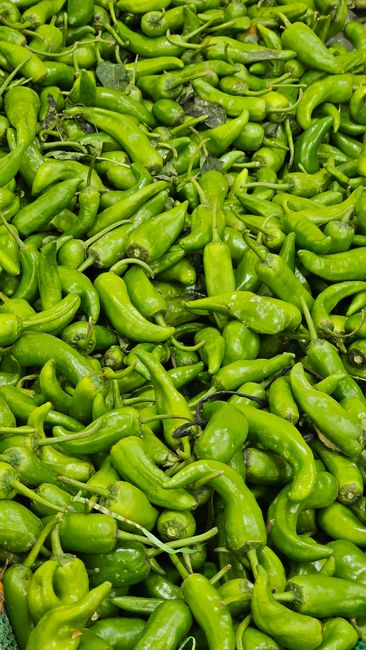
The soul of Colorado green chili resides in its chiles. While other regions might opt for jalapeños or serranos for heat and a bright, vegetal note, the authentic Colorado version almost exclusively utilizes roasted Pueblo chiles. These chiles, grown in the fertile Arkansas River Valley of southeastern Colorado, are a specific varietal of Anaheim pepper with a thicker skin and a more intense, smoky flavor when roasted. Their mild to moderate heat is essential, as the goal is not to create a dish that burns the palate, but one that offers a nuanced warmth that complements the other ingredients. The roasting process is paramount; it transforms the raw, sometimes bitter, flavor of the green chile into a sweet, smoky, and deeply complex foundation. This is typically achieved by charring the chiles directly over an open flame – on a gas burner, under a broiler, or even on an outdoor grill. The skins are then peeled, the stems and seeds removed, and the roasted flesh is roughly chopped or pulsed in a food processor, creating a textured, flavorful paste rather than a perfectly smooth puree. This textural element is crucial; it contributes to the rustic charm of the chili and provides delightful pockets of flavor within the stew.
Complementing the roasted Pueblo chiles are tomatillos, another indispensable ingredient. These small, tart, green fruits, often mistaken for unripe tomatoes, provide a crucial acidic counterpoint to the richness of the pork and the sweetness of the roasted chiles. Their bright, citrusy tang cuts through the fat and adds a layer of complexity that is vital to the overall balance of the dish. Tomatillos are typically boiled or roasted until tender, then roughly chopped or blended. In Colorado green chili, they are often simmered directly in the pot with the pork and chiles, contributing their juice and flavor to the sauce. The combination of roasted chiles and simmered tomatillos creates a signature green sauce that is both vibrant and deeply savory, a hallmark of this distinctive regional dish. The acidity of the tomatillos also helps to tenderize the pork during the long cooking process.
The pork is the robust heart of Colorado green chili. Pork shoulder, also known as pork butt, is the preferred cut due to its high fat content and connective tissue. These elements, when subjected to long, slow cooking, break down into gelatin, lending an incredible tenderness and richness to the meat. The pork is typically cut into substantial, 1- to 2-inch cubes, seasoned generously with salt and pepper, and then seared to develop a beautiful brown crust and lock in its juices. This searing step is crucial for flavor development, creating the Maillard reaction that adds depth and complexity to the finished dish. Once seared, the pork is added to the pot with the roasted chiles, tomatillos, and other aromatics, where it will simmer for hours until it is fork-tender and can be easily pulled apart. Some variations might involve a preliminary braising of the pork before adding it to the chili, but the core principle remains: slow cooking for ultimate tenderness and flavor infusion.
Aromatics play a supporting but vital role in building the flavor profile of Colorado green chili. Diced onions, typically yellow or white, are sautéed until softened and translucent, providing a sweet and savory base. Garlic, minced and added towards the end of the onion sauté, infuses the chili with its pungent warmth. Cumin, a warm and earthy spice, is often incorporated, its distinctive aroma weaving through the other flavors. A pinch of oregano, particularly Mexican oregano if available, adds a subtle herbaceous note. Some recipes might call for a touch of coriander for its slightly citrusy and floral undertones. The careful layering of these aromatics ensures a balanced and nuanced flavor that goes beyond just the chiles and pork.
The cooking process for authentic Colorado green chili is a slow and deliberate affair, integral to its character. After searing the pork and sautéing the aromatics, the roasted chiles, tomatillos, and spices are added to the pot, typically a heavy-bottomed Dutch oven or a large stockpot. Water or chicken broth is added to cover the ingredients, and the mixture is brought to a simmer. The lid is then placed on the pot, and the chili is left to cook over low heat for at least 2-3 hours, or even longer, until the pork is incredibly tender and easily shredded. Some cooks prefer to finish the dish by shredding the pork directly in the pot, allowing it to absorb the sauce, while others might remove the pork, shred it, and then return it to the chili. The goal is a thick, unctuous sauce that coats every piece of pork. Towards the end of the cooking time, the chili can be thickened naturally by the breakdown of the pork and vegetables, or by mashing some of the cooked chiles and tomatillos against the side of the pot.
Serving Colorado green chili is an experience in itself, with a variety of traditional accompaniments that enhance its flavor and texture. It is most commonly served as a standalone dish, a hearty stew in a bowl, often garnished with a dollop of sour cream or Mexican crema to add a cooling richness and a touch of tang. Shredded cheddar cheese or Monterey Jack cheese is another popular topping, melting into the chili and adding a creamy, savory element. Fresh cilantro, chopped, provides a burst of herbaceous freshness that cuts through the richness. Cornbread, with its slightly sweet and crumbly texture, is an ideal companion for sopping up every last drop of the flavorful sauce. Tortillas, either flour or corn, are also a common accompaniment, used for scooping or for making impromptu tacos. Some may opt for a side of rice to further stretch the meal and absorb the delicious juices.
The SEO value of this article is derived from the consistent use of relevant keywords: "Colorado green chili," "chile verde," "Pueblo chiles," "tomatillos," "pork shoulder," "slow-cooked," "Rocky Mountain cuisine," and "authentic green chili." The article aims to rank highly for searches related to these terms by providing comprehensive, detailed information that answers user intent for learning about this specific regional dish. The depth of detail regarding ingredients, preparation methods, and serving suggestions ensures that readers seeking in-depth knowledge will find this resource valuable, leading to increased engagement and a higher search engine ranking. The structured approach, with clear headings implied by the paragraph breaks, also aids search engines in understanding the content.
Variations and regional nuances exist even within the realm of Colorado green chili. While the core ingredients and slow-cooking method remain consistent, some cooks might incorporate a small amount of diced potatoes or hominy for added texture and substance. A touch of heat can be adjusted by the number of chiles used or by the inclusion of a spicier pepper like a serrano for those who prefer a more pronounced kick, though this deviates from the most traditional preparation. Some recipes may call for a small amount of masa harina, a corn flour used in Mexican cuisine, to be whisked into the chili towards the end of cooking to help thicken the sauce and add a subtle corn flavor. However, these additions should be approached with caution, as the essence of true Colorado green chili lies in its elegant simplicity and the pure flavors of its primary components. The aim is always to showcase the roasted chiles, tart tomatillos, and tender pork, not to mask them with an overwhelming array of other ingredients.
The cultural significance of Colorado green chili cannot be overstated. It’s more than just a dish; it’s a culinary emblem, a taste of home for many Coloradans, and a gateway for outsiders to experience the state’s unique food traditions. It’s a staple at family gatherings, holiday feasts, and local restaurants, embodying a spirit of hearty, communal eating. The fact that it is often prepared in large batches, designed to feed a crowd and to be enjoyed over several days, speaks to its role as a comfort food and a dish that brings people together. The labor-intensive process, from roasting the chiles to the hours of simmering, also signifies a dedication to quality and a respect for traditional cooking methods. In a state known for its breathtaking natural beauty and outdoor adventures, Colorado green chili offers a grounding, delicious counterpoint, a taste of the land and its bounty, prepared with care and shared with generosity. Its distinctive flavor profile, rooted in the unique ingredients of the region, makes it a truly unforgettable culinary experience.
