DIY Beauty Secrets: Unlocking the Benefits and Preparation Methods of Rice Water for Skin and Hair

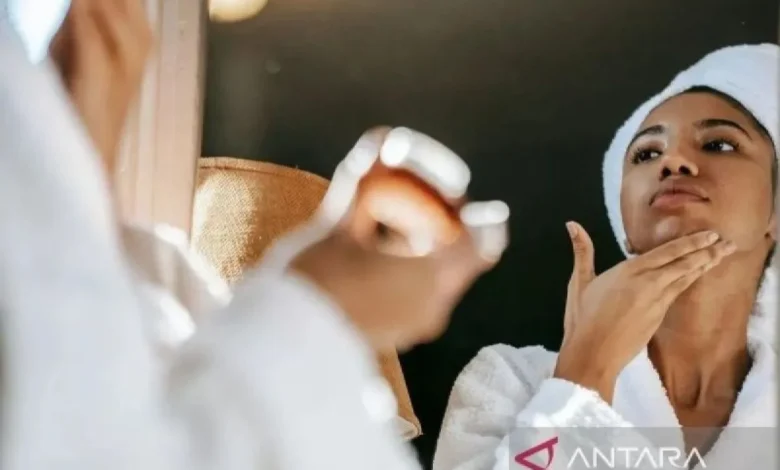
The rising cost of premium skincare and haircare products has prompted a significant shift in consumer behavior, with many beauty enthusiasts returning to traditional, kitchen-based remedies. Among the most popular is rice water, a staple in East Asian beauty rituals for centuries, now enjoying a global resurgence. While modern cosmetic formulations frequently feature rice extract as a key ingredient for its hydrating and brightening properties, the efficacy of homemade rice water—prepared with simple, accessible ingredients—remains a subject of both anecdotal praise and scientific interest. By understanding the chemical composition and the precise preparation methods required, consumers can leverage this cost-effective treatment to enhance skin hydration, improve hair strength, and address common concerns like dandruff.
The Historical and Cultural Context of Rice Water
The use of rice water for personal care is deeply rooted in the history of East Asia. Historical records indicate that women in the Heian period of Japan famously washed their hair in rice water, believing it to be the secret behind their famously long, lustrous locks. Similarly, the Yao women of Huangluo village in China have long been celebrated for their remarkably strong, dark hair, which they attribute to the regular application of fermented rice water.
From a biochemical perspective, the utility of rice water lies in its nutrient profile. Rice grain is rich in vitamins, minerals, and amino acids. When submerged in water, these water-soluble nutrients—specifically B vitamins, vitamin E, and antioxidants such as ferulic acid—leach into the liquid. These compounds are known for their ability to soothe skin inflammation, improve skin texture, and protect hair follicles from oxidative stress.
Scientific Rationale and Clinical Implications
While modern beauty brands often isolate specific compounds from rice to ensure shelf-stability and standardized potency, the DIY approach relies on the extraction of a broader spectrum of nutrients. Clinical studies regarding the topical application of rice water generally highlight its ability to improve skin barrier function. A study published in the International Journal of Cosmetic Science noted that the application of rice water on the skin could potentially improve the barrier integrity, which is essential for maintaining moisture levels and preventing transepidermal water loss.
For hair care, the protein content in rice water is often cited as a contributing factor to increased elasticity. When applied to the hair shaft, rice proteins can fill in the microscopic gaps in the cuticle, providing a temporary strengthening effect. Furthermore, the inclusion of inositol—a carbohydrate found in rice—is suggested to help repair damaged hair and provide protection against future environmental damage.
Methodologies for Home Preparation
Creating effective rice water requires precision in hygiene and storage to prevent bacterial growth. Regardless of the chosen method, the foundation remains 95 grams of raw rice and approximately 470–710 ml of water. Experts emphasize that the type of rice—whether white, brown, or jasmine—is less critical than the cleanliness of the process.
1. The Boiling Method (Concentrated Extraction)
The boiling method is often preferred for those seeking a concentrated solution.
- Procedure: Begin by thoroughly rinsing 95 grams of rice to remove surface impurities. Combine the rice with the water in a saucepan and bring the mixture to a boil over high heat. Once boiling, remove the pot from the heat source and use a spoon to press against the grains, facilitating the release of starches and nutrients into the water.
- Refinement: Strain the mixture into a sterilized, airtight container. Allow the liquid to cool completely before transferring it to a refrigerator. Because this solution is highly nutrient-dense, it is recommended to dilute it with plain water before direct application to the skin or hair. The refrigerated shelf life for this mixture is typically seven days.
2. The Soaking Method (Cold Extraction)
The soaking method is the most straightforward approach, minimizing the risk of heat-induced degradation of certain volatile compounds.
- Procedure: After washing the rice, submerge it in 470–710 ml of water in a clean bowl. Allow it to soak at room temperature for a period ranging from 30 minutes to two hours.
- Refinement: Similar to the boiling method, manually agitating or pressing the grains during the soak can enhance the extraction process. Once strained, the water can be applied immediately. Any remaining liquid must be stored in a refrigerator to maintain freshness.
3. The Fermentation Method (Enhanced Bioavailability)
Fermentation is widely considered the gold standard for those seeking maximum antioxidant benefits. Through the action of beneficial bacteria, the pH of the rice water is lowered, and the nutrient density is increased.
- Procedure: Follow the initial steps of the soaking method. However, instead of using the water immediately, allow the strained liquid to sit at room temperature for 24 to 48 hours.
- Refinement: The fermentation process is complete when the water begins to emit a slightly sour, acidic aroma. Once this threshold is reached, it should be moved to the refrigerator to halt the fermentation process. This method significantly increases the presence of antioxidants, which are vital for fighting free radicals on the scalp and skin.
Safety Protocols and Best Practices
Despite the natural origins of rice water, dermatological safety remains paramount. According to guidelines provided by Medical News Today, while there is no widespread clinical evidence of adverse reactions to rice water, individual sensitivities vary.
- Patch Testing: Before applying rice water to the entire face or scalp, users should perform a patch test on a small, inconspicuous area of the skin, such as the inner forearm. If no irritation or redness occurs after 24 hours, it is generally considered safe for wider use.
- Storage and Shelf Life: The primary risk associated with homemade skincare is microbial contamination. Because rice water is a biological medium, it can easily harbor mold or bacteria if kept at room temperature for too long. A strict one-week limit for refrigerated storage is advised; if the water becomes cloudy or develops an off-putting odor beyond the expected fermented scent, it must be discarded immediately.
- Allergy Awareness: Individuals with a diagnosed allergy to rice should strictly avoid using these treatments, as contact could trigger localized dermatitis or more severe allergic responses.
The Broader Impact of the "Kitchen Beauty" Trend
The rise of DIY rice water treatments reflects a broader macroeconomic trend in the beauty industry. As inflation affects the cost of personal care goods, consumers are increasingly scrutinizing the "value-added" claims of expensive products. By utilizing pantry staples, individuals are regaining control over their beauty budgets while simultaneously reducing plastic waste associated with commercial packaging.
However, the industry perspective suggests that while DIY methods are effective, they lack the preservatives and stabilization technology found in commercial products. Cosmetic chemists note that while rice water provides immediate benefits, it cannot mimic the complex delivery systems—such as liposomes or encapsulated actives—used in high-end formulations designed for deep dermal penetration.
Nevertheless, for the average consumer, the use of rice water represents a sustainable and accessible intersection of traditional wisdom and modern self-care. By adhering to rigorous cleaning, storage, and application standards, users can successfully incorporate this ancient practice into their contemporary grooming routines, effectively managing their skin and hair health without the financial burden of luxury beauty products. As with all wellness trends, consistency and an informed approach to personal tolerance remain the keys to success.