
Easy Pumpkin Chip Cookies
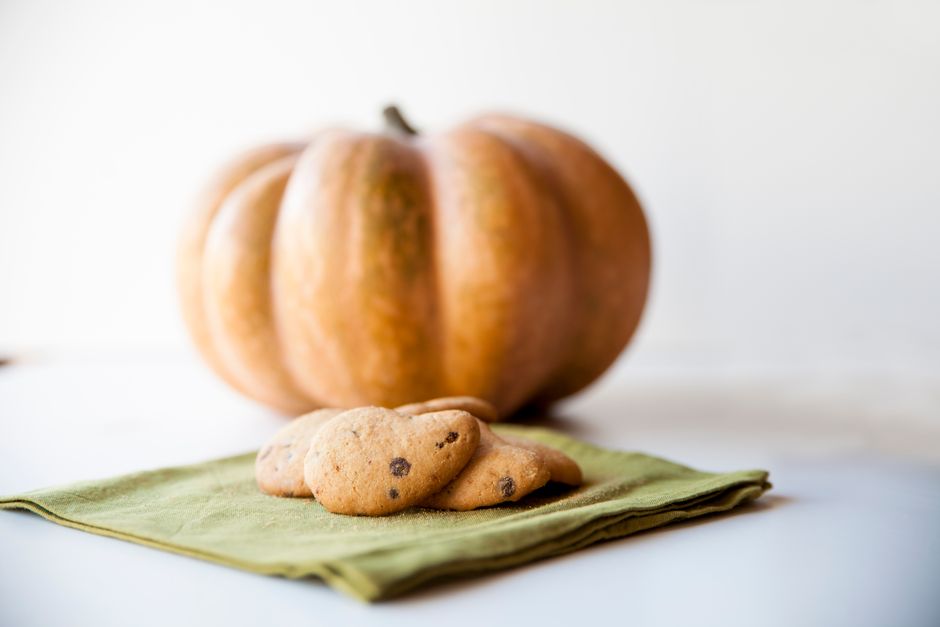
The Ultimate Guide to Effortless Pumpkin Chocolate Chip Cookies: Achieve Bakery-Quality Results at Home
Mastering the art of the perfect pumpkin chocolate chip cookie is a culinary achievement within reach for any home baker. This comprehensive guide will demystify the process, offering insights into ingredient selection, precise techniques, and troubleshooting tips to ensure your cookies are not just delicious, but consistently exceptional. From achieving that sought-after chewy interior and slightly crisp edge to perfectly distributing those coveted chocolate chips, every step is detailed to empower you to create bakery-quality treats in your own kitchen. We will delve into the science behind pumpkin’s role in cookie texture, explore the nuances of different chocolate types, and provide actionable advice for common baking pitfalls. Whether you’re a seasoned baker looking to refine your pumpkin cookie recipe or a beginner eager to impress, this guide is your roadmap to cookie perfection.
The foundation of any outstanding cookie lies in the quality and selection of its ingredients. For pumpkin chocolate chip cookies, each component plays a crucial role in contributing to the final flavor, texture, and appearance. The star, of course, is the pumpkin. Opt for pure canned pumpkin puree, not pumpkin pie filling. Pie filling contains added sugars and spices that will significantly alter your cookie’s flavor profile and sweetness. The puree should be unsweetened and 100% pumpkin. The moisture content of pumpkin can vary slightly by brand, so it’s essential to measure it accurately. Excess moisture can lead to flatter, chewier cookies, while too little can result in a drier, more cake-like texture. To mitigate this, some bakers advocate for draining the pumpkin puree by letting it sit in a fine-mesh sieve lined with cheesecloth for a few hours. While this adds an extra step, it can significantly improve the cookie’s texture by reducing excess water.
The fat used in cookie dough, typically butter and sometimes a combination of butter and oil, is critical for both flavor and texture. Unsalted butter is preferred as it allows for greater control over the salt content of the cookies. For optimal flavor development, the butter should be softened to room temperature, but not melted. Softened butter, when creamed with sugar, incorporates air, which contributes to the cookie’s lift and tenderness. Over-creaming the butter can lead to tough cookies, while under-creaming can result in cookies that spread excessively. The sugar in pumpkin chocolate chip cookies is usually a combination of granulated sugar and brown sugar. Granulated sugar contributes to crispness and spread, while brown sugar, with its molasses content, adds moisture, chewiness, and a caramel-like depth of flavor. The ratio of these sugars can be adjusted to achieve your desired texture. A higher proportion of brown sugar will result in a chewier cookie, while more granulated sugar will yield a crisper outcome.
Eggs provide structure, moisture, and act as a binder in cookie dough. For most pumpkin chocolate chip cookie recipes, one large egg is sufficient. The egg should be at room temperature to ensure it emulsifies properly with the other ingredients, preventing a greasy dough. Over-mixing the dough after adding the egg can develop gluten, leading to tougher cookies. Vanilla extract is a fundamental flavor enhancer, complementing both the pumpkin and chocolate notes beautifully. Ensure you are using pure vanilla extract for the best flavor. The leavening agents, baking soda and baking soda, are crucial for cookie rise. Baking soda, an alkali, reacts with acidic ingredients like brown sugar and pumpkin to create lift and spread. Baking powder, a double-acting leavener, provides a more pronounced rise and a slightly cakier texture. The precise ratio of these leaveners is vital; too much can result in bitter-tasting cookies, while too little will yield flat, dense discs.
The star flavor pairing, pumpkin and chocolate chips, requires careful consideration. The type of chocolate chips used will dramatically influence the final taste. Semi-sweet chocolate chips are a classic choice, offering a balanced sweetness and a robust cocoa flavor that pairs well with the warm spices. Milk chocolate chips will provide a sweeter, creamier profile, while dark chocolate chips will offer a more intense, less sweet, and slightly bitter counterpoint, which can be incredibly sophisticated. For an extra layer of flavor and texture, consider using a combination of different chocolate chip types. Some recipes also incorporate chopped chocolate bars, which melt more readily and create pools of chocolate throughout the cookie, offering a different texture and flavor experience.
The method of mixing cookie dough is as important as the ingredients themselves. The creaming method, where softened butter and sugars are beaten together until light and fluffy, is a standard starting point. This process is crucial for incorporating air, which contributes significantly to the cookie’s texture. Once the butter and sugar are creamed, the egg and vanilla extract are added and mixed until just combined. In a separate bowl, whisk together the dry ingredients: flour, baking soda, baking powder, and salt. Sifting the dry ingredients can help to ensure they are evenly distributed and prevent lumps. Gradually add the dry ingredients to the wet ingredients, mixing on low speed or by hand until just incorporated. Overmixing at this stage develops gluten, which can make cookies tough. The dough should be cohesive but not overworked.
Introducing the pumpkin puree should be done gently. Add it to the creamed mixture and mix until just combined. The dough will likely appear softer and perhaps a bit looser than a traditional chocolate chip cookie dough due to the moisture from the pumpkin. This is normal. The final step in dough preparation is incorporating the chocolate chips. Fold them in gently using a spatula or wooden spoon. Avoid overmixing at this point, as it can cause the chocolate chips to break down and create streaks of chocolate throughout the dough, which can sometimes lead to a greasy texture. For best results and to ensure even distribution, it’s often recommended to reserve a small handful of chocolate chips to press onto the tops of the cookies before baking.
Chilling the cookie dough is a critical, yet often overlooked, step in achieving superior pumpkin chocolate chip cookies. The process of chilling allows the flour to hydrate more fully, which results in a more tender cookie. It also solidifies the fat in the dough, preventing excessive spreading during baking. This leads to thicker cookies with a better chew. A minimum of 30 minutes in the refrigerator is recommended, but chilling for several hours or even overnight can yield even more profound improvements in texture and flavor. When the dough is well-chilled, it is easier to scoop and handle, maintaining its shape during baking. If the dough becomes too hard to scoop after extended chilling, let it sit at room temperature for a few minutes until it is pliable enough to work with.
Scooping the cookie dough evenly is essential for uniform baking. Use a cookie scoop of a consistent size (e.g., a 2-tablespoon scoop) to ensure all cookies are the same size, which promotes even cooking. Place the dough balls onto a baking sheet lined with parchment paper or a silicone baking mat. Parchment paper not only prevents sticking but also aids in even heat distribution and easy cleanup. Leave adequate space between the dough balls, as they will spread during baking. A general guideline is to leave about 2 inches between each cookie. For that bakery-quality look, press a few extra chocolate chips onto the top of each dough ball before baking. This creates a visually appealing cookie that looks as good as it tastes.
The baking process is where the magic truly happens, and achieving the perfect texture requires paying close attention to temperature and time. Preheat your oven to the temperature specified in your recipe, typically around 350°F (175°C). An oven thermometer is a worthwhile investment to ensure your oven is accurately calibrated, as temperature fluctuations can significantly impact baking results. Place the baking sheets in the center rack of the oven for the most even heat. The baking time for pumpkin chocolate chip cookies can vary depending on the size of the cookies and your oven, but it generally ranges from 10 to 14 minutes.
You are looking for visual cues that indicate doneness. The edges of the cookies should be set and lightly golden brown, while the centers should still appear slightly soft and underbaked. This is crucial for achieving a chewy interior. As the cookies cool on the baking sheet, the residual heat will continue to cook them, allowing the centers to firm up to the perfect chewy consistency. Overbaking will result in dry, crisp cookies, which may be desirable for some, but not the hallmark of a classic pumpkin chocolate chip cookie. Rotate your baking sheets halfway through the baking time if your oven has hot spots to ensure even browning.
Cooling the cookies properly is the final, but vital, step in the baking process. Once removed from the oven, let the cookies cool on the baking sheet for 5-10 minutes. This allows them to set up sufficiently so they don’t fall apart when you transfer them. Use a thin spatula to carefully move the cookies from the baking sheet to a wire cooling rack to cool completely. Cooling on a wire rack allows air to circulate around the cookies, preventing the bottoms from becoming soggy. Resist the urge to eat them immediately, as they will continue to develop their texture as they cool.
Troubleshooting common cookie issues is an essential part of becoming a proficient baker. If your cookies are spreading too much, the dough might be too warm, the oven temperature could be too low, or there might be too much fat or sugar in the recipe. Ensure your dough is well-chilled, your oven is accurately calibrated, and your ingredient ratios are correct. Conversely, if your cookies are too flat and not spreading enough, the dough might be too cold, or the oven temperature could be too high. The flour-to-fat ratio might also be off.
If your cookies are dry and crumbly, you may have overbaked them or used too much flour. Accurate flour measurement is key; spoon the flour into your measuring cup and level it off with a straight edge, rather than scooping directly from the bag. Too much leavening can also lead to a dry, cakey texture and a bitter taste. If your cookies lack flavor, ensure you are using good quality ingredients, especially vanilla extract and chocolate chips. Consider adding a pinch of cinnamon or nutmeg to the dough for an extra layer of autumnal flavor. For a softer, chewier cookie, try increasing the brown sugar slightly or reducing the amount of granulated sugar. To achieve crispier edges, ensure your oven temperature is accurate and bake for a minute or two longer, watching carefully to prevent burning.
Storing your pumpkin chocolate chip cookies properly will help maintain their freshness and texture. Once completely cooled, store them in an airtight container at room temperature for up to 3-4 days. For longer storage, they can be frozen. Individual cookies or batches of cookies can be placed in a freezer-safe bag or container. They will keep well in the freezer for up to 2-3 months. Thaw frozen cookies at room temperature. For an extra treat, a slightly warmed cookie with a glass of milk is unparalleled.
Experimentation is encouraged once you have mastered the basic recipe. Consider adding other autumnal spices like ginger, cloves, or allspice to the dough for a more complex flavor profile. Chopped pecans or walnuts can add a delightful crunch and nutty depth. For a more decadent cookie, try incorporating a swirl of cream cheese frosting or a drizzle of caramel sauce. Elevating your pumpkin chocolate chip cookies is a journey of culinary exploration. By understanding the science behind the ingredients and the techniques involved, you can consistently produce delicious, satisfying cookies that are sure to become a favorite in your household and a staple for any holiday gathering or casual sweet treat.
