Electric Vehicle Ownership and Maintenance Costs: A Comprehensive Analysis of Long-Term Financial Implications

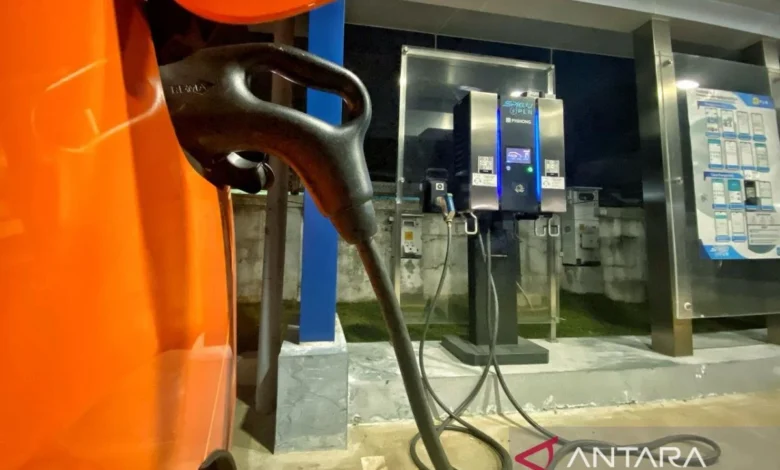
As the Indonesian automotive market undergoes a significant shift toward electrification, the proliferation of Battery Electric Vehicles (BEVs) on Jakarta’s thoroughfares has sparked a critical debate regarding the total cost of ownership (TCO). While the initial purchase price of electric vehicles often remains higher than their internal combustion engine (ICE) counterparts, industry analysts and energy regulators frequently highlight the long-term savings associated with reduced maintenance requirements. Understanding whether these vehicles truly offer a more economical path for consumers requires a deep dive into mechanical simplicity, consumable components, and the realities of high-voltage battery management.
The Mechanical Advantage: Why EVs Require Less Maintenance
The fundamental difference between ICE vehicles and BEVs lies in the powertrain architecture. A traditional combustion engine is a complex assembly of hundreds of moving parts—pistons, valves, fuel injectors, timing belts, and transmissions—all operating under extreme thermal stress. In contrast, a BEV utilizes a streamlined electric motor and a single-speed transmission.
According to data published by the United States Department of Energy (DOE) and corroborated by automotive research firms, the reduction in moving components leads to a drastic decrease in the frequency and complexity of mechanical failures. Without the need for combustion, there is no requirement for motor oil, oil filters, spark plugs, or exhaust system repairs. For the average commuter, this eliminates the recurring financial burden of standard oil changes, which typically occur every 5,000 to 10,000 kilometers in conventional vehicles. By stripping away these legacy requirements, BEVs allow owners to bypass the most frequent touchpoints of the traditional automotive service schedule.
Regenerative Braking and Component Longevity
One of the most notable technical advantages of electric propulsion is the implementation of regenerative braking. Unlike friction-based systems that rely entirely on brake pads and rotors to dissipate kinetic energy as heat, electric motors function as generators during deceleration. This process captures kinetic energy and feeds it back into the battery, simultaneously slowing the vehicle.
This dual-functionality significantly reduces the wear and tear on traditional friction components. In many instances, BEV owners report that their brake pads last significantly longer than those on ICE vehicles, sometimes extending the replacement cycle by several years. However, this is not an absolute rule; it is heavily dependent on driving patterns. Drivers who frequently utilize "one-pedal driving" modes will naturally see the greatest longevity in their braking systems, whereas aggressive driving styles can negate some of these maintenance-related savings.
The Complexity of High-Voltage Systems
While the mechanical simplicity of a BEV is a clear advantage, it does not render the vehicle maintenance-free. Modern EVs are essentially rolling computers, integrated with sophisticated battery management systems (BMS) and power electronics. These systems are critical for the safety and performance of the vehicle but require specialized diagnostic tools and expertise.
The primary concern for long-term ownership is the battery pack. As the most expensive component in the vehicle, the battery’s health is the single most important factor in its residual value. While manufacturers currently offer extensive warranties—typically spanning eight years or up to 160,000 kilometers—the cost of replacing a battery module post-warranty remains a significant financial consideration. Industry experts suggest that the industry is trending toward modular battery repairs rather than total pack replacement, which could eventually mitigate these costs. Nevertheless, prospective buyers must weigh the long-term warranty provisions against the expected duration of their vehicle ownership.
Tires and Chassis: The Hidden Costs of Instant Torque
A common misconception in the EV market is that the absence of a combustion engine leads to a universally lower cost of ownership. This overlooks the physical realities of electric powertrains. EVs are generally heavier due to the density of the battery pack, and electric motors provide near-instantaneous torque.
This combination of increased curb weight and rapid torque delivery places higher stress on tires. Data from various tire manufacturers indicates that EV-specific tires often experience faster wear compared to those on lightweight combustion vehicles. Consequently, while owners may save on oil and transmission fluid, they may find themselves replacing tires more frequently. Proper maintenance, including regular tire rotation and maintaining optimal pressure, is essential to extend the lifespan of these consumables, which are often more expensive due to their reinforced construction designed to support the vehicle’s weight.
The Evolving Landscape of Servicing and Infrastructure
The shift toward electrification has profound implications for the automotive service industry. Traditional independent workshops that rely on engine-based repairs are facing a transformation. Because EVs operate on high-voltage systems (often 400V to 800V), standard mechanic training is insufficient. Specialized certification is required to handle high-voltage battery packs and electrical components safely.
For consumers, this means that the availability of manufacturer-backed service centers is currently a more critical factor for EV owners than for ICE owners. A robust service network ensures that owners have access to proprietary software updates—which can improve battery efficiency over time—and the specialized diagnostic hardware required to detect early signs of component fatigue. As the market in Indonesia matures, the competition among manufacturers to provide more accessible service plans will likely become a key differentiator in consumer choice.
Economic Implications and Future Outlook
When analyzing the total cost of ownership, consumers should move beyond the "price per service" metric. A comprehensive financial analysis must incorporate:
- Energy Costs: The fluctuating price of electricity versus the often-subsidized price of fossil fuels in certain regions.
- Tax Incentives and Subsidies: Various government initiatives aimed at accelerating EV adoption, including lower registration fees and tax exemptions.
- Depreciation: The current uncertainty surrounding the resale value of EVs, which is closely tied to battery health certifications.
- Consumable Replacement Intervals: The total life-cycle cost of tires, wiper blades, suspension components, and cabin air filters.
The transition to electric mobility is not merely a change in fuel source; it is a fundamental reconfiguration of the automotive ecosystem. The evidence suggests that for the average driver, the removal of complex mechanical dependencies results in a lower frequency of shop visits and a more predictable maintenance schedule. However, the reliance on advanced electronics and the high capital cost of battery technology mean that while routine maintenance is cheaper, the potential for high-cost repairs post-warranty remains a risk factor.
Strategic Recommendations for Consumers
Prospective buyers are encouraged to adopt a rigorous approach to evaluating their potential vehicle purchase. Beyond the aesthetic and performance specifications, the following steps are vital:
- Review Warranty Terms: Scrutinize the fine print of battery warranties. Does the warranty cover degradation below a certain percentage, or only catastrophic failure?
- Evaluate Service Networks: Research the density of authorized service centers in your region. A vehicle that is cheap to maintain is only an advantage if you have access to a qualified technician.
- Consider Real-World Usage: Assess your driving environment. High-stop-and-go traffic scenarios maximize the benefits of regenerative braking, while long-distance highway travel may shift the maintenance focus toward tire wear and chassis integrity.
- Budget for Long-Term Maintenance: Rather than expecting zero costs, allocate a reserve for periodic checks of the cooling systems, high-voltage cables, and software maintenance, which are necessary to ensure the longevity of the vehicle’s electrical infrastructure.
Ultimately, the narrative that EVs are "cheaper" to maintain is factually supported but contextually nuanced. The reduction in mechanical complexity provides a superior ownership experience for those seeking to minimize time spent in the workshop. However, the transition to electrification requires owners to be more informed about their vehicle’s specific technology, the importance of scheduled battery health checks, and the evolving nature of automotive service in the 21st century. As battery technology continues to advance and costs stabilize, the financial benefits of electric vehicle ownership are expected to become even more pronounced, solidifying their place as the primary mode of personal transportation in the future.