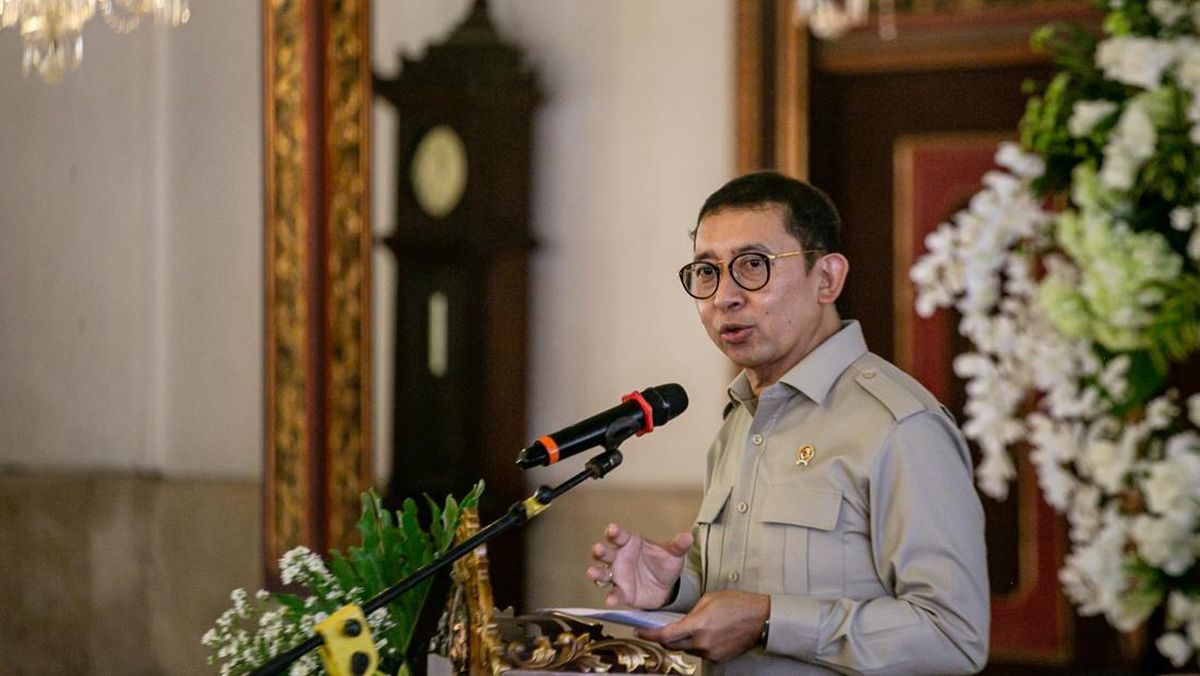
Jakarta, Indonesia – The Ministry of Culture has officially announced the launch of a comprehensive revitalization project for the Keraton Kasunanan Surakarta Hadiningrat, commonly known as Keraton Surakarta. Declared a national cultural heritage site, the ambitious initiative is set to commence this year, with the explicit goal of restoring the historic palace complex and elevating its status as a premier global cultural destination. Minister of Culture Fadli Zon, in a press conference held in Jakarta on Thursday, July 23, underscored the government’s unwavering commitment to this significant undertaking, despite long-standing internal disputes that have plagued the royal institution.
The revitalization efforts will be overseen by Maha Menteri Kanjeng Gusti Panembahan Agung Tedjowulan, who has been officially appointed by the government as the executor of the project. This appointment, formalized through a recent Ministerial Decree (Number 8 of the year corresponding to this announcement, concerning the Appointment of the Executor for the Protection, Development, and/or Utilization of the Keraton Kasunanan Surakarta Hadiningrat Cultural Heritage Area as a National Level Cultural Heritage Area), signals a decisive step by the state to ensure the preservation and sustainable development of this pivotal Javanese cultural landmark. Minister Zon emphasized that any attempts to obstruct the revitalization process, regardless of the ongoing dynastic succession conflicts within the Keraton, would be met with legal enforcement. "Because Keraton Surakarta has become a national cultural heritage, we will begin its implementation this year under the execution appointed by the government, namely Panembahan Agung Tedjowulan," Fadli Zon stated, as quoted by Antara.
The Enduring Significance of Keraton Surakarta
The Keraton Kasunanan Surakarta Hadiningrat stands as a monumental testament to Javanese civilization, history, and spiritual philosophy. Founded in 1745 by Susuhunan Pakubuwono II as a successor to the Mataram Kingdom, it served as the political, cultural, and spiritual epicenter of the Surakarta Sultanate. More than just a royal residence, the Keraton is a living museum, housing priceless artifacts, ancient manuscripts, and a vibrant tradition of Javanese arts, including classical dance, gamelan music, and batik craftsmanship. Its architectural grandeur, characterized by intricate carvings, expansive courtyards, and distinct Javanese design principles, reflects centuries of cultural evolution and artistic refinement.
Historically, the Keraton played a crucial role in shaping the political landscape of Java, particularly during the colonial era. While its direct political power waned under Dutch rule, its cultural and spiritual authority remained profound, serving as a beacon of Javanese identity and resistance. It represents a continuum of ancestral wisdom, traditional governance, and an intricate social structure that has influenced generations. The Keraton’s designation as a national cultural heritage site is not merely an administrative label; it acknowledges its irreplaceable value as a repository of national memory and a crucial component of Indonesia’s diverse cultural tapestry. Neglect or deterioration of such a site is not just a loss for Surakarta, but for the entire nation and, indeed, for global cultural heritage.
A History Marred by Dynastic Discord
The need for government intervention in the Keraton Surakarta’s affairs is deeply rooted in the protracted internal disputes that have simmered for decades, escalating significantly after the passing of Pakubuwono XII in 2004. The absence of a clear, universally accepted succession plan plunged the royal family into a bitter power struggle, leading to the emergence of multiple claimants to the throne and conflicting claims over leadership and ceremonial authority. This dynastic discord has fractured the royal household, hampered effective management of the palace complex, and, critically, impeded necessary maintenance and preservation efforts for the historic buildings and priceless collections within.
The primary factions involved in the succession dispute typically revolved around various sons and relatives of Pakubuwono XII, each asserting their legitimacy based on different interpretations of Javanese royal custom and lineage. The ensuing disagreements have not only created an administrative vacuum but also led to physical decay of parts of the Keraton, as funds and consensus for upkeep became elusive. Access for scholars, artists, and even the general public has at times been restricted or complicated due to the internal strife. The government’s decision to appoint Panembahan Agung Tedjowulan as the executor of the revitalization project, and to declare its readiness to enforce the law against any obstruction, reflects a recognition that the preservation of national heritage transcends individual family disputes. It underscores the principle that a cultural asset of such magnitude belongs to the nation, and its future cannot be held hostage by internal disagreements.
The Government’s Strategic Intervention
The Ministerial Decree (SK Menteri Kebudayaan Nomor 8 [of the current year]) represents a pivotal moment in the history of Keraton Surakarta. By formally appointing Maha Menteri Kanjeng Gusti Panembahan Agung Tedjowulan, the government has established a clear line of authority for the revitalization project. Tedjowulan himself has a complex history within the Keraton’s succession narrative, having been a prominent figure in previous disputes. His appointment by the state signals an attempt to provide a unified administrative front for the project, bypassing the internal rifts that have long paralyzed the palace’s management. This strategic move aligns with the government’s broader mandate to protect and promote national cultural heritage, as enshrined in the Indonesian constitution.
The legal framework supporting such intervention stems from cultural heritage laws that empower the state to safeguard sites of national importance, particularly when their existence or integrity is threatened. This move ensures that the Keraton, as a cagar budaya nasional (national cultural heritage site), receives the necessary attention and resources, irrespective of the private conflicts of the royal family. It also establishes a precedent for how the state can act decisively to preserve critical cultural assets when internal governance mechanisms fail. The government’s firm stance against obstruction is a clear signal that the welfare of the national heritage takes precedence, and legal mechanisms will be utilized to ensure the project’s smooth execution.
A Holistic Vision for Revitalization
Minister Fadli Zon emphasized that the revitalization project for Keraton Surakarta goes far beyond mere physical restoration. It is conceived as a multi-faceted, holistic endeavor aimed at breathing new life into the entire cultural ecosystem surrounding the palace. The project encompasses several key pillars:
-
Physical Restoration and Infrastructure Development: This phase will address the structural integrity of the historic buildings, repairing damaged sections, restoring architectural details, and ensuring the longevity of the complex. This includes meticulous work on roofs, walls, foundations, and intricate decorative elements. Areas such as the Sasana Sewaka (main audience hall), Kori Kamandungan (main gate), and the residential compounds within the Baluwarti (inner walls) will undergo careful restoration, adhering to conservation principles to maintain historical authenticity. Modern infrastructure improvements, such as improved lighting, accessibility for visitors with disabilities, and enhanced safety features, will also be integrated while respecting the historical context.
-
Strengthening Historical Narratives and Documentation: A critical component of the revitalization is to deepen and enrich the understanding of the Keraton’s history. This involves extensive research into its archives, digitization of historical documents and manuscripts, and the creation of compelling, accurate interpretive materials for visitors. Interactive exhibits, multimedia presentations, and scholarly publications will be developed to present the complex history of the Keraton, its rulers, and its cultural contributions in an engaging and accessible manner. This also includes documenting oral traditions and the living heritage associated with the Keraton.
-
Professional Management and Capacity Building: To ensure the long-term sustainability of the Keraton, the project will focus on establishing professional management practices. This includes training for staff in areas such as conservation, archival management, visitor services, and marketing. Implementing modern administrative and financial management systems will be crucial for transparent operations and attracting sustained funding. The goal is to move away from ad-hoc management, which has been a symptom of the past disputes, towards a robust, professional framework.
-
Leveraging Technology for Enhanced Public Service: In the digital age, technology plays a vital role in making cultural heritage accessible and engaging. The revitalization plan includes developing digital platforms for virtual tours, online ticketing, interactive guides, and educational resources. Social media engagement will be enhanced to reach a broader, younger audience, and to promote the Keraton globally. This integration of technology aims to improve visitor experience, streamline operations, and broaden the Keraton’s reach beyond its physical boundaries.
-
Integrated Tourism Development: The ultimate vision is to transform Keraton Surakarta into a leading destination that seamlessly integrates various forms of tourism:
- Cultural Tourism: Showcasing traditional Javanese performing arts (dance, gamelan), craft workshops (batik, wayang), and culinary experiences.
- Historical Tourism: Offering guided tours that delve into the palace’s rich past, historical reenactments, and museum exhibits displaying royal artifacts.
- Religious Tourism: Highlighting the spiritual significance of the Keraton as a center of Javanese mysticism and tradition, potentially including access to sacred sites or rituals for appropriate visitors.
- Educational Tourism: Collaborating with schools and universities for academic research, educational programs, and hands-on learning experiences for students.
Minister Zon eloquently articulated this comprehensive vision, stating, "Keraton Kasunanan Surakarta Hadiningrat is one of the centers of Javanese cultural civilization that has great potential to become a world-class cultural destination. Through planned and collaborative revitalization, we want to present a living, competitive, and sustainable cultural area."
Expected Impact and Broader Implications
The successful revitalization of Keraton Surakarta is expected to yield profound and far-reaching impacts, both locally and nationally:
- Cultural Preservation and Transmission: At its core, the project ensures the safeguarding of invaluable Javanese heritage for future generations. It provides a stable environment for the continued practice and transmission of traditional arts, rituals, and knowledge that are inextricably linked to the Keraton.
- Economic Rejuvenation: The project is poised to significantly boost the local economy of Surakarta. Increased tourism will lead to job creation in the hospitality sector, for tour guides, artisans, and other service providers. Local businesses, from batik workshops to traditional food vendors, are expected to benefit from the influx of visitors. This economic uplift can help alleviate poverty and stimulate local entrepreneurship.
- Strengthening National Identity and Pride: By restoring and promoting such a significant cultural landmark, the project reinforces a sense of shared heritage and national pride among Indonesians. It serves as a tangible link to the nation’s past and its rich cultural diversity.
- Enhanced International Recognition: A well-preserved and professionally managed Keraton Surakarta, equipped with modern visitor facilities and engaging narratives, has the potential to attract international tourists and scholars. This can elevate Indonesia’s profile as a global cultural tourism destination, fostering cross-cultural understanding and appreciation.
- A Model for Other Heritage Sites: The challenges faced by Keraton Surakarta are not unique to royal palaces in Indonesia. The success of this revitalization project, particularly in navigating complex internal dynamics and implementing a holistic approach, could serve as a valuable model for the preservation and development of other endangered cultural heritage sites across the archipelago.
However, challenges remain. Sustaining long-term funding, effectively managing increasing visitor flow without compromising preservation, balancing commercialization with authenticity, and ensuring the continued cooperation of all stakeholders, including the various factions within the royal family, will be critical. The government’s commitment to enforce legal frameworks against obstruction is a strong starting point, but ongoing diplomatic efforts and community engagement will be vital for enduring success.
Timeline and Chronology
The journey towards this revitalization has been long and arduous:
- Pre-2004: The reign of Susuhunan Pakubuwono XII, the last widely recognized and undisputed monarch of Keraton Surakarta.
- 2004: Pakubuwono XII passes away, immediately triggering a succession crisis and dynastic disputes among various royal family members.
- 22004-Present: Years of internal conflict, multiple claims to the throne, and fragmented leadership, leading to neglect of the Keraton’s physical infrastructure and management. Various attempts at mediation by the central and local governments yielded limited success.
- Recent Past (Leading up to this announcement): Growing concerns from cultural experts, local communities, and the government regarding the deteriorating state of the national heritage site. Intensified discussions and planning within the Ministry of Culture to devise a comprehensive intervention strategy.
- This Year (July 23): Minister of Culture Fadli Zon officially announces the commencement of the revitalization project and the government’s decisive appointment of Panembahan Agung Tedjowulan as the executor, backed by Ministerial Decree No. 8.
- Immediate Future: Initial phases of the revitalization project, including detailed surveys, planning, and commencement of urgent physical repairs, alongside the establishment of new management structures and the development of interpretive programs.
- Long-term: Phased implementation of the holistic vision, with continuous monitoring, evaluation, and adaptation to ensure the Keraton’s sustainable development as a vibrant cultural center and world-class destination.
Statements and Reactions from Related Parties
The government’s announcement has elicited a range of anticipated responses from various stakeholders:
- Surakarta Local Government: The Mayor of Surakarta is expected to welcome the initiative warmly, emphasizing the potential for local economic growth and improved welfare for the city’s residents. "We fully support the Ministry of Culture’s decisive action," a hypothetical statement from the Mayor might read. "The Keraton is the heart of our city, and its revitalization will bring immense benefits, from job creation to a renewed sense of pride for our community. We stand ready to collaborate in every way possible."
- Cultural Experts and Historians: Scholars specializing in Javanese history and heritage would likely express cautious optimism. While applauding the much-needed intervention, they would also stress the importance of maintaining historical authenticity during restoration, ensuring that the process is guided by rigorous archaeological and conservation principles. Concerns about over-commercialization or the potential loss of traditional spiritual integrity due to modernization might also be raised. "This is a critical step for preserving one of the most significant symbols of Javanese civilization," a leading cultural historian might comment. "However, it is paramount that the revitalization respects the Keraton’s sacred character and involves deep consultation with cultural practitioners to ensure its soul remains intact."
- Local Community Leaders: Leaders from communities surrounding the Keraton would likely voice hopes for economic improvements and greater involvement of local traditions and artisans in the project. There might also be concerns about access to the Keraton for traditional ceremonies or daily life, which should be carefully managed during and after the revitalization. "We hope this project will truly benefit the people of Solo, especially those whose livelihoods depend on the Keraton," a community elder could state. "We also pray that our ancestral customs and traditions will be honored and strengthened through this new phase."
- Tourism Industry Representatives: Representatives from the national and regional tourism sectors would undoubtedly express enthusiasm for the creation of a newly revitalized, professionally managed attraction. They would foresee increased visitor numbers, both domestic and international, contributing to the broader tourism ecosystem. "The Keraton Surakarta has always been a gem, but its full potential has been constrained," a spokesperson for a tourism association might note. "This revitalization offers an incredible opportunity to market Solo as a must-visit cultural hub, enhancing Indonesia’s appeal on the global tourism map."
In conclusion, the Ministry of Culture’s ambitious revitalization project for Keraton Kasunanan Surakarta Hadiningrat marks a pivotal moment for one of Indonesia’s most cherished cultural heritage sites. By addressing decades of neglect and internal strife with a decisive, holistic approach, the government aims not only to physically restore the palace but also to re-establish its prominence as a dynamic center of Javanese culture, history, and education, poised to become a world-class cultural destination for generations to come. The success of this endeavor will hinge on sustained political will, professional execution, and harmonious collaboration among all stakeholders, ensuring that the Keraton’s rich legacy continues to thrive.