
Good For You Greek Salad
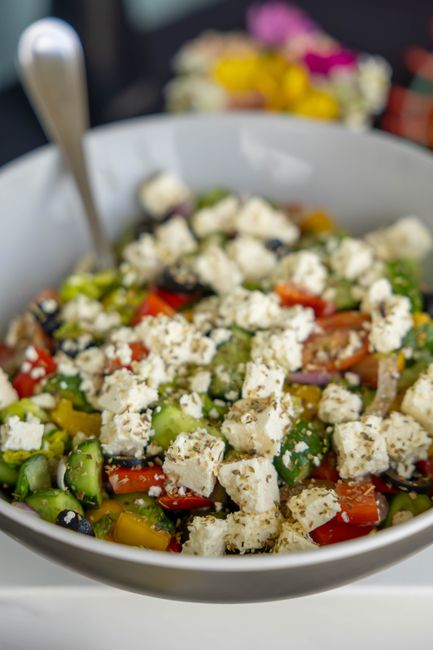
The Ultimate Guide to a Truly Good-for-You Greek Salad: Flavor, Nutrition, and Maximizing Benefits
A Greek salad, at its core, embodies the principles of the Mediterranean diet: fresh, vibrant ingredients, healthy fats, and a symphony of satisfying flavors. Far from a mere side dish, a well-constructed Greek salad can be a complete, nutrient-dense meal, packed with vitamins, minerals, fiber, and antioxidants. The "good for you" aspect of this classic dish stems from the synergistic interplay of its components, each contributing unique health benefits that extend beyond simple sustenance. Understanding these benefits and how to best prepare and enjoy your Greek salad is key to unlocking its full potential for well-being.
The foundational element of any authentic Greek salad is its produce. Crisp, juicy tomatoes are a powerhouse of lycopene, a potent antioxidant linked to reduced risk of certain cancers, particularly prostate cancer, and improved heart health. The vibrant red pigment indicates high lycopene content, which is better absorbed when consumed with healthy fats, a crucial point for the Greek salad’s overall nutritional profile. Cucumbers provide hydration and a refreshing crunch, contributing electrolytes like potassium, essential for maintaining fluid balance and blood pressure regulation. Bell peppers, especially red and yellow varieties, are exceptionally rich in Vitamin C, a powerful immune booster and vital for collagen production, which supports skin elasticity and joint health. Onions, often red or white, offer quercetin, an antioxidant with anti-inflammatory properties and potential benefits for cardiovascular health. While some may find raw onion pungent, its health benefits are undeniable, and its sharp flavor is integral to the salad’s complexity.
The quintessential Greek salad features Kalamata olives, renowned for their rich, briny flavor and a wealth of monounsaturated fats. These healthy fats are instrumental in supporting cardiovascular health by helping to lower LDL ("bad") cholesterol and raise HDL ("good") cholesterol. Olives also contain oleocanthal, a compound with anti-inflammatory effects similar to ibuprofen, and Vitamin E, another potent antioxidant that protects cells from damage. The addition of capers, another briny delight, contributes not only a unique salty-sour note but also flavonoids and Vitamin K, which plays a role in blood clotting and bone health.
The crowning glory of a traditional Greek salad is its feta cheese. Made from sheep’s milk, or a blend of sheep and goat’s milk, authentic feta is a good source of calcium, essential for strong bones and teeth, and protein, which promotes satiety and muscle maintenance. While feta can be higher in sodium than some other cheeses, its flavor intensity means a little goes a long way, and opting for a high-quality, traditionally made feta can offer a more nuanced nutritional profile. For those monitoring sodium intake, rinsing the feta before crumbling can help reduce its saltiness. The cheese also provides probiotics, beneficial for gut health.
The dressing is where the health benefits of the Greek salad truly shine. A classic vinaigrette made with extra virgin olive oil (EVOO) and red wine vinegar forms the backbone of this healthful condiment. EVOO, as mentioned, is a cornerstone of the Mediterranean diet, rich in monounsaturated fats and polyphenols, which possess antioxidant and anti-inflammatory properties. These compounds have been linked to a reduced risk of chronic diseases, including heart disease, stroke, and type 2 diabetes. Red wine vinegar, made from fermented red wine, contains acetic acid, which may help regulate blood sugar levels and improve insulin sensitivity. It also contributes to the salad’s tanginess, balancing the richness of the olives and feta. Freshly squeezed lemon juice can be a welcome addition, providing a bright, acidic counterpoint and an additional boost of Vitamin C. The key to a good-for-you dressing is to use high-quality ingredients and to avoid excessive amounts of oil, ensuring the vegetables and other components are coated rather than swimming.
Beyond the core ingredients, several additions can further enhance the nutritional value and flavor of a Greek salad. Fresh herbs are vital. Dried oregano, often used in Greek cuisine, is packed with antioxidants, but fresh dill and parsley offer even more vibrant flavor and a wider spectrum of vitamins and minerals. Dill is a good source of Vitamin C and manganese, while parsley is rich in Vitamins K, C, and A, and folate. The aroma of these fresh herbs also contributes to the overall sensory experience, enhancing appetite and potentially aiding digestion.
For those seeking to boost protein and fiber content, adding grilled chicken breast, shrimp, or chickpeas can transform the Greek salad into a truly complete meal. Lean protein sources like chicken and shrimp provide essential amino acids for muscle repair and growth, while chickpeas are an excellent plant-based protein and fiber source, promoting satiety and aiding in blood sugar control. The fiber from chickpeas also contributes to a healthy gut microbiome. For a vegetarian or vegan option, extra virgin olive oil, lemon juice, and a generous portion of chickpeas can create a satisfying and nutritious base.
The preparation method significantly impacts the "good for you" aspect of a Greek salad. Chopping ingredients into bite-sized, uniform pieces ensures even distribution of flavors and textures. Tossing the salad gently just before serving prevents wilting and sogginess, preserving the crispness of the vegetables. Dressing the salad immediately before consumption is also crucial for maintaining the integrity of the ingredients and preventing the vegetables from becoming waterlogged. The act of toasting dried oregano before adding it to the dressing can amplify its flavor and release beneficial volatile oils.
Understanding the caloric and macronutrient profile of a Greek salad is also important for maximizing its health benefits. A typical Greek salad, when prepared with moderate amounts of feta and olives and a light vinaigrette, can be relatively low in calories while being rich in healthy fats, fiber, and essential micronutrients. The high fiber content contributes to satiety, making it a valuable tool for weight management. The balance of healthy fats, protein, and carbohydrates provides sustained energy, preventing post-meal slumps.
From a scientific perspective, the Mediterranean diet, of which the Greek salad is a quintessential representation, has been extensively studied and lauded for its numerous health benefits. Research consistently links adherence to this dietary pattern with reduced risk of cardiovascular disease, stroke, type 2 diabetes, certain cancers, and neurodegenerative diseases like Alzheimer’s. The synergistic effect of the components – healthy fats, antioxidants, fiber, and lean protein – is believed to be responsible for these protective effects. The anti-inflammatory and antioxidant properties of the ingredients combat oxidative stress and chronic inflammation, key drivers of many chronic diseases.
Maximizing the "good for you" potential of your Greek salad involves mindful ingredient selection and preparation. Opt for organic produce when possible to minimize exposure to pesticides. Choose high-quality, extra virgin olive oil from reputable sources. If using feta, select a traditionally made variety. Be mindful of portion sizes, especially with calorie-dense ingredients like olives and cheese. If you’re looking to increase protein, add lean sources or legumes. Experiment with fresh herbs beyond the traditional, like mint or basil, for added flavor and nutritional diversity.
The versatility of the Greek salad allows it to be adapted to various dietary needs and preferences. For a low-carb option, omit or significantly reduce the amount of onion and consider adding extra bell peppers and cucumbers. For a gluten-free meal, ensure no croutons or bread-based accompaniments are included. For individuals with dairy sensitivities, a dairy-free feta alternative or simply omitting the cheese while enhancing other elements like chickpeas and avocado can create a satisfying salad.
In conclusion, a truly "good for you" Greek salad is more than just a collection of fresh vegetables. It’s a carefully balanced ensemble of nutrient-rich ingredients, each contributing to a holistic approach to health and well-being. By understanding the individual benefits of tomatoes, cucumbers, bell peppers, onions, olives, feta, and the vital vinaigrette, and by employing mindful preparation techniques, you can create a delicious and incredibly healthful dish that supports cardiovascular health, boosts immunity, promotes satiety, and contributes to overall longevity. Embracing the simplicity and purity of its ingredients, and focusing on quality, ensures that every bite of your Greek salad is a step towards a healthier you.
