
Hamas Leader Beirut Killed
Hamas Leader in Beirut Killed in Apparent Israeli Strike
The assassination of Saleh al-Arouri, a prominent Hamas leader, in a Beirut suburb on Tuesday has significantly escalated regional tensions and intensified the ongoing conflict between Israel and Hamas. The attack, which killed al-Arouri and six other individuals, has been widely attributed to Israel by Lebanese officials and Hamas itself. This event marks a substantial escalation in the shadow war between Israel and its adversaries, directly bringing the conflict to the Lebanese capital and raising serious concerns about a broader regional conflagration. Al-Arouri, a key figure in Hamas’s political and military wings, was a co-founder of the Izz ad-Din al-Qassam Brigades, the group’s armed wing, and had served as its deputy chief. His killing is seen as a major blow to Hamas, removing a strategic architect and a negotiator who played a crucial role in past prisoner exchange deals, including the one that freed Israeli soldier Gilad Shalit.
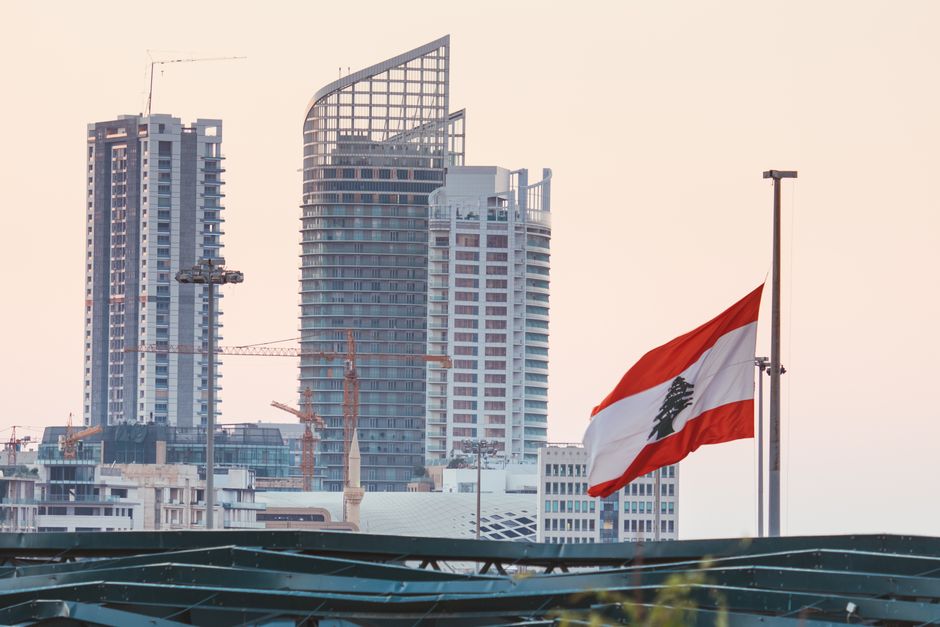
The precision and audacity of the strike, occurring in a densely populated area of Beirut, underscore Israel’s perceived determination to eliminate its top adversaries, regardless of location. The explosion, which tore through the Mu’shariyeh neighborhood, was reportedly caused by an Israeli drone strike targeting a Hamas office. Witnesses described a massive explosion followed by smoke and chaos. The Lebanese National News Agency reported that the strike destroyed a residential building and damaged several others, resulting in civilian casualties alongside the targeted Hamas figures. The immediate aftermath saw a surge in condemnation from various regional actors, with Hezbollah, the powerful Lebanese Shiite militant group and staunch ally of Hamas, vowing retaliation and accusing Israel of a grave act of aggression against Lebanon.
Saleh al-Arouri’s influence within Hamas extended beyond military operations. He was a senior figure in the group’s political bureau and was believed to be instrumental in coordinating Hamas’s activities in the West Bank and its broader regional strategy. His alleged involvement in planning and overseeing attacks, including those that precipitated the current Gaza conflict, made him a high-priority target for Israel. Israeli officials have long viewed al-Arouri as a destabilizing force and a key architect of Hamas’s territorial expansion of influence. His removal is seen by Israel as a significant disruption to Hamas’s command structure and its ability to conduct operations. The targeting of a senior Hamas official on Lebanese soil also signals a potential shift in Israel’s operational calculus, suggesting a willingness to pursue its enemies beyond the immediate theaters of conflict.
The ramifications of this assassination are multifaceted and profound. Firstly, it directly ratchets up the confrontation between Israel and Hezbollah. Hezbollah, which has been engaged in sporadic but increasingly intense cross-border exchanges with Israel since the October 7th attacks on Israel, has now been directly challenged on its home turf. The group’s response will be closely watched, as any significant escalation on the Lebanese front would divert Israeli resources and attention from Gaza and could draw Lebanon into a full-blown war. This would have devastating consequences for Lebanon, which is already grappling with a severe economic crisis and political instability.
Secondly, the killing of al-Arouri is likely to further galvanize Hamas and its allies. While a significant blow, the group has proven resilient in the past, often adapting to the loss of leadership. The assassination may serve as a rallying cry, potentially leading to increased attacks and a hardening of their stance in any future negotiations. The emotional impact within the Palestinian territories and among sympathizers globally is also expected to be considerable, potentially fueling further protests and unrest.
Thirdly, the international community faces increased pressure to de-escalate the situation. The United States, a key ally of Israel, has reiterated its commitment to Israel’s security while also expressing concerns about regional stability. However, balancing these positions becomes increasingly difficult with such overt acts of targeted assassination. The risk of a wider regional conflict, drawing in other actors such as Iran, which supports both Hamas and Hezbollah, is a growing concern that requires concerted diplomatic efforts.
The strategic implications for Israel are also significant. While the elimination of a high-profile target achieves an immediate objective and sends a strong message, it also carries considerable risks. The potential for retaliation, the broadening of the conflict, and the international repercussions of such actions must be carefully weighed. Israel’s security cabinet has reportedly been briefed on the operation, indicating a high level of strategic consideration. However, the long-term consequences of such a move, in terms of regional stability and the future trajectory of the conflict, remain uncertain.
Saleh al-Arouri’s background is rooted in the Palestinian territories. He was born in Ramallah in the West Bank and became involved in activism from a young age. He was a prominent figure in the early days of Hamas’s formation and was instrumental in developing its underground infrastructure. His career within the organization was marked by his strategic thinking and his ability to navigate complex political and military landscapes. He was repeatedly arrested by Israeli forces and spent significant periods in administrative detention. Despite these pressures, he remained a key strategist and negotiator for Hamas, particularly in discussions concerning prisoner exchanges and long-term truces. His role in orchestrating Hamas’s operations from abroad, particularly from his base in Beirut, made him a particularly elusive and valuable target for Israeli intelligence.
The immediate aftermath of the strike saw a flurry of diplomatic activity and pronouncements. The United Nations has called for restraint, urging all parties to avoid further escalation. Arab nations, while largely condemning the attack, have also been cautious in their responses, given the complex geopolitical dynamics at play. The European Union has also expressed concerns about the potential for a wider conflict and has called for de-escalation. However, the effectiveness of these international appeals remains to be seen in the face of deeply entrenched animosities and competing strategic interests.
The incident also highlights the evolving nature of modern warfare, with targeted assassinations through sophisticated drone technology becoming an increasingly common tactic. The ability of state actors to project power and eliminate adversaries remotely raises profound questions about sovereignty, international law, and the future of conflict resolution. The blurred lines between overt warfare and covert operations, particularly in volatile regions like the Middle East, present a significant challenge for international diplomacy and peacekeeping efforts.
Looking ahead, several key factors will determine the trajectory of this escalating conflict. The response of Hezbollah will be paramount. Any direct military engagement by the group on a large scale would fundamentally alter the conflict dynamics. The internal political situations within Israel, Lebanon, and the Palestinian territories will also play a crucial role. Domestic pressures and the need to project strength can often influence decision-making during times of crisis. Furthermore, the ongoing efforts of regional and international mediators to contain the conflict and facilitate de-escalation will be critical, though their success will depend on the willingness of the involved parties to engage in constructive dialogue. The killing of Saleh al-Arouri is not an isolated event but rather a potent symbol of the intensifying struggle and the growing risks of a wider regional conflagration. The world will be watching closely to see how the actors involved navigate this perilous new phase of the conflict.
