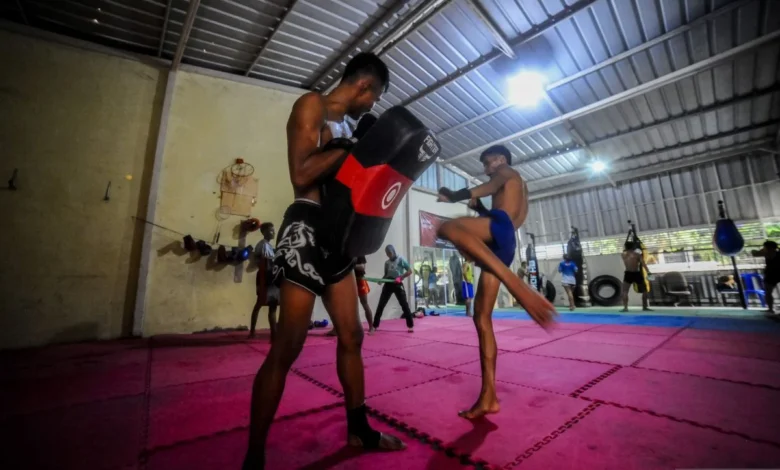
The ancient Thai martial art of Muay Thai, renowned for its dynamic and powerful techniques, is poised to capture the attention of a wider international audience as it makes its mark as a recognized sport at the Southeast Asian Games (SEA Games) 2025. While sharing the ring and gloves with boxing, Muay Thai distinguishes itself through its unique philosophy, a broader arsenal of attacks, and a rich historical lineage that stretches back centuries. This inclusion in a major regional sporting event signifies a growing global recognition of Muay Thai not just as a combat sport, but as a sophisticated discipline demanding immense skill, discipline, and strategic prowess.
The Essence of Muay Thai: More Than Just Punches
At its core, Muay Thai, translating to "Thai boxing," is a combat sport that emphasizes the effective use of eight points of contact: two fists, two elbows, two knees, and two shins/feet. This is why it is famously known as "The Art of Eight Limbs," a moniker that immediately sets it apart from its Western counterpart, boxing, which primarily relies on the art of the punch. The strategic integration of strikes from all eight "limbs" allows for a more varied and often more devastating offensive and defensive repertoire.
Unlike the more confined nature of boxing, which often involves intricate footwork and head movement to set up punches, Muay Thai fighters are adept at transitioning seamlessly between offensive maneuvers. This includes powerful kicks delivered with the shin, devastating knee strikes, sharp elbow blows that can inflict significant damage, and the strategic use of the "clinch." The clinch, a wrestling-like hold where fighters grapple at close range, is a crucial element in Muay Thai, allowing for knee and elbow attacks, as well as strategic takedowns within the standing fight. This multifaceted approach contributes to the fast-paced, dynamic, and intensely engaging nature of Muay Thai bouts.
Crucially, Muay Thai is predominantly a standing combat sport. Techniques that involve taking an opponent to the ground and engaging in ground fighting, such as wrestling takedowns or submissions, are not permitted. This focus on upright combat, combined with the diverse range of strikes, creates a distinct rhythm and flow to a Muay Thai match.
Historically, the movements in Muay Thai are often said to emulate the use of ancient weaponry. The fists are likened to swords, the elbows and knees to daggers or bludgeons, and the powerful kicks to axes or spears. This connection to traditional warfare and weaponry imbues Muay Thai with a deeper philosophical layer, highlighting its origins as a martial art developed for self-defense and battlefield effectiveness.
A Glimpse into Muay Thai’s Storied Past
The origins of Muay Thai are deeply intertwined with the history of Thailand, with its roots believed to date back to the 13th century. It emerged as a vital form of unarmed combat for Thai warriors who found themselves in situations where they were disarmed or needed to fight effectively with minimal equipment. During this era, the techniques were often brutal and focused on disabling an opponent swiftly, with some historical accounts mentioning strikes to joints and the back of the head, which are now considered too dangerous and have been removed from modern rulesets.
As time progressed, Muay Thai evolved beyond its purely military application, permeating various strata of Thai society, including the royal court. Historical records suggest that even royalty recognized its importance, with the first king of the Sukhothai Kingdom, King Phokhun Sri In Tharatit, reportedly sending his son to learn the art as a means of physical training and character development. This early endorsement highlights the perceived value of Muay Thai in fostering discipline, courage, and resilience.
The formalization of Muay Thai into the sport we recognize today began to take shape around the 1930s. During this period, there was a conscious effort to adapt and refine the techniques, incorporating elements from international boxing, such as the adoption of standardized gloves and the establishment of a round-based fighting system. This modernization was crucial in making Muay Thai more accessible and understandable to a global audience.
A pivotal moment in the sport’s international development was the establishment of the International Federation of Muaythai Associations (IFMA) in 1993. This organization has been instrumental in promoting Muay Thai worldwide, standardizing rules, and facilitating the organization of major international championships, paving the way for its inclusion in prestigious multi-sport events like the SEA Games.
The legendary tale of Nai Khanom Tom, a 16th-century Siamese warrior, further cements Muay Thai’s place in national folklore. Captured by Burmese forces during a conflict, Nai Khanom Tom is said to have demonstrated extraordinary fighting prowess by defeating a series of Burmese champions in a single engagement. This feat not only showcased the effectiveness of his Muay Thai skills but also significantly boosted the art’s prestige and popularity among the Siamese people.
Today, Muay Thai is a celebrated part of Thailand’s cultural identity, with matches drawing large crowds and serving as a significant tourist attraction. Its appeal extends across age groups, with many finding its training methods accessible and beneficial for physical fitness and character building. The sport’s increasing presence on international platforms like the SEA Games is a testament to its enduring legacy and its growing global appeal.
Muay Thai vs. Boxing: A Tale of Two Ring Sports
While both Muay Thai and boxing take place within a ring and involve the use of gloves, the similarities largely end there. The differences in their techniques, strategies, and underlying philosophies are profound, offering distinct experiences for both practitioners and spectators.
The Eight Limbs vs. The Two Fists: Arsenal Diversity
The most striking difference lies in the offensive capabilities. Muay Thai fighters are equipped with an arsenal of eight points of contact: hands, elbows, knees, and feet. This allows for a much wider range of attacks, from powerful punches and devastating kicks to close-range elbow and knee strikes. The clinch is a critical component, enabling fighters to control their opponent and deliver targeted knee and elbow attacks while grappling. Even within the clinch, strikes are permitted until the referee intervenes.
Boxing, in contrast, is strictly limited to punches. The skill lies in the precision, power, and timing of these hand strikes, along with the intricate footwork and defensive maneuvers used to set them up and avoid counter-attacks. When boxers clinch, it is typically a brief entanglement, and the referee is quick to separate them to maintain the flow of punching exchanges.
Striking Mechanics: Precision vs. Versatility
Boxing training places an extreme emphasis on refining punching technique. Fighters dedicate countless hours to mastering the jab, cross, hook, and uppercut, honing their hip rotation, footwork, and defensive reflexes to maximize the effectiveness and impact of their punches. This leads to highly developed boxers with exceptional hand speed and power.
Muay Thai incorporates punches, but the training is geared towards versatility. A Muay Thai fighter must be prepared to transition seamlessly from a punch to a powerful kick, a swift knee strike, or a sharp elbow. While punches are important, they are just one facet of a much broader striking strategy. This often means that while a Muay Thai fighter’s punches may not possess the same specialized power or technical refinement as a boxer’s, their overall striking game is far more varied and unpredictable.
Stance and Footwork: Mobility vs. Stability
The stance and footwork in boxing are designed to facilitate rapid movement, evasion, and the generation of power through rotational mechanics. Boxers typically stand in a slightly angled, or "bladed," stance, with weight distributed lightly on the balls of their feet. This allows for quick pivots, sidesteps, and bobbing and weaving to avoid incoming punches.
Muay Thai fighters, on the other hand, tend to adopt a more squared-up stance, facing their opponent more directly. This position provides a more stable base, which is essential for delivering powerful kicks and blocking leg attacks. While footwork is important for positioning and setting up strikes, it is generally less about constant lateral movement and more about maintaining balance and control for powerful, grounded attacks.
The Rhythm of Engagement: Fluidity vs. Interruption
The rhythm of a boxing match is often characterized by a continuous flow of punches and evasive maneuvers. It’s a dynamic exchange of jabs, straights, hooks, and counter-punches, punctuated by defensive movements.
Muay Thai bouts, while also intense, can have a more varied and sometimes more punctuated rhythm. This is due to the integration of different types of attacks. A sequence might involve a series of punches, followed by a powerful teep (push kick), then a knee strike in the clinch, and perhaps a sweeping leg attack. This creates a dynamic interplay of offense and defense that can shift rapidly.
Head Movement: Freedom vs. Caution
In boxing, with the primary threat being punches, head movement is a crucial defensive tool. Fighters can move their heads freely, ducking, weaving, and slipping punches to avoid being hit.
In Muay Thai, the dynamic is different. While head movement is still employed, it is more constrained due to the presence of elbows and knees. A fighter dropping their head too low or exposing their neck could become an easy target for a devastating knee strike or a high kick. This necessitates a more cautious approach to head movement, prioritizing defensive posture and blocking.
Traditional Attire: Shoes vs. Bare Feet and Rituals
The visible differences extend to their fighting attire. Boxers typically wear specialized boxing shoes to enhance grip and agility in the ring. Muay Thai fighters, however, compete barefoot. This allows for better connection with the canvas, facilitating powerful kicks and sweeps.
Furthermore, Muay Thai often retains traditional elements that are absent in boxing. This can include the Wai Kru Ram Muay, a pre-fight ritual where fighters pay respect to their teachers and demonstrate their art, and the wearing of traditional armbands (mongkol) and headbands (prajiad) as symbols of their training and spiritual connection to the art.
The SEA Games 2025: A Platform for Muay Thai’s Ascendancy
The inclusion of Muay Thai in the SEA Games 2025 marks a significant milestone for the sport. For athletes from Southeast Asian nations where Muay Thai is deeply ingrained in the culture, this presents an unparalleled opportunity to showcase their skills on a regional and potentially international stage. The competition is expected to draw considerable attention, not only from fans of combat sports but also from a broader audience curious about this ancient yet dynamic martial art.
The Games provide a crucial platform for Muay Thai to gain further recognition, potentially leading to increased investment in training facilities, athlete development programs, and broader promotional efforts. For countries like Thailand, the Philippines, Vietnam, and Indonesia, which have strong traditions in martial arts, this is a chance to assert their dominance and contribute to the growing global appeal of Muay Thai. The performance of athletes at the SEA Games could inspire a new generation of practitioners and further solidify Muay Thai’s position as a respected and celebrated international sport.
Broader Implications and Future Outlook
The SEA Games 2025 inclusion is more than just an event; it’s a catalyst for the continued globalization of Muay Thai. As the sport gains traction in major multi-sport events, it opens doors to further integration into Olympic aspirations and other significant international competitions. This increased visibility can lead to greater commercial opportunities, sponsorships, and media coverage, benefiting athletes and federations alike.
The distinct philosophies and techniques of Muay Thai, when contrasted with boxing, offer a compelling narrative for sports enthusiasts. The "Art of Eight Limbs" presents a holistic approach to combat, emphasizing not just physical prowess but also mental fortitude and strategic thinking. As the world becomes more aware of Muay Thai’s rich history and its diverse applications, its popularity is only set to grow, solidifying its place as a premier martial art and combat sport on the global stage. The SEA Games 2025 will undoubtedly be a landmark event in this ongoing evolution.
Related posts: