
Irish Boiled Dinner Corned Beef
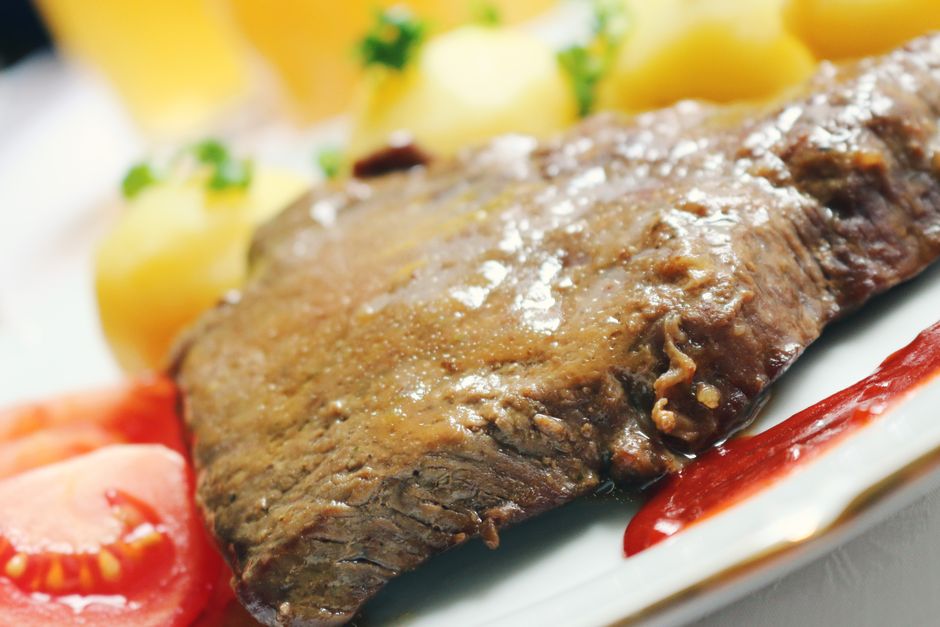
Irish Boiled Dinner Corned Beef: A Culinary Cornerstone of Tradition and Flavor
Irish boiled dinner, often synonymous with corned beef, stands as a quintessential representation of hearty, comforting, and historically significant Irish-American cuisine. This dish, characterized by its simple yet profound preparation, involves slow-cooking a cut of corned beef with an assortment of root vegetables, allowing the rich, savory flavors to meld into a deeply satisfying meal. While the term "Irish" is firmly attached, the origins and evolution of this culinary staple are a fascinating blend of necessity, adaptation, and cultural fusion, primarily emerging from the experiences of Irish immigrants in North America. Understanding the nuances of corned beef, its preparation, and its cultural resonance is key to appreciating this enduring dish. The term "corned" itself doesn’t refer to the grain but to the large-grained salt crystals historically used to cure and preserve the beef, a method crucial for its longevity and distinct flavor profile. This preservation technique was vital for making a less-tender cut of beef palatable and accessible, a common consideration for immigrant families with limited resources. The dish, therefore, is not merely food but a testament to resourcefulness and culinary ingenuity.
The Cut of Corned Beef: Selecting the Optimal Piece for Tender Perfection
The success of an Irish boiled dinner hinges significantly on the choice of corned beef. The most common and recommended cut is the "flat cut" or "brisket flat." This cut, sourced from the lower chest of the cow, is leaner and has a more uniform grain, which, when cooked low and slow, yields tender, sliceable meat. Conversely, the "point cut" or "brisket point" is fattier and contains more connective tissue, leading to a more succulent, shreddable texture. For those who prefer a distinctly tender, melt-in-your-mouth experience, the point cut can be an excellent choice, although it might require a slightly longer cooking time to break down the abundant collagen. When purchasing corned beef, look for briskets cured with salt, sugar, and curing salts (like sodium nitrite), which impart the characteristic pink hue and prevent spoilage. Many butchers and grocery stores offer pre-seasoned corned beef, often with a spice packet containing peppercorns, mustard seeds, bay leaves, and dill. While convenient, these packets can vary in quality and intensity, so home cooks often prefer to control their own spice blend for a more personalized flavor. The marbling within the brisket is also a critical factor. A well-marbled brisket, with thin streaks of fat running through the muscle, will result in a more flavorful and moist finished product, as the fat renders during the cooking process, basting the meat from within.
The Art of the Boil: Mastering the Slow-Cooking Process for Ultimate Tenderness
The traditional method of preparing corned beef for an Irish boiled dinner is, as the name suggests, boiling. However, this is a misnomer in the sense of a rapid, vigorous boil. The true key to tender corned beef lies in a gentle simmer, a low and slow cooking process that breaks down the tough connective tissues and renders the fat, transforming a firm cut of meat into something exceptionally tender. Begin by placing the corned beef, fat side up, in a large pot or Dutch oven. Cover the meat generously with cold water, ensuring it is fully submerged. For enhanced flavor, this is the stage to incorporate additional aromatics. Popular additions include whole peppercorns, bay leaves, cloves, and sometimes a halved onion or a few sprigs of fresh parsley. If your corned beef did not come with a spice packet, this is an opportune time to add your own curated blend. Bring the water to a gentle simmer over medium-high heat, then immediately reduce the heat to low, cover the pot tightly, and let it cook. The cooking time is crucial and depends on the size and thickness of the brisket. A general guideline is approximately 45 to 60 minutes per pound. For a 3-4 pound brisket, this typically means 3 to 4 hours of simmering. Resist the urge to stir frequently or over-handle the meat during this process; allow the gentle heat to do its work undisturbed. The goal is a consistent, low temperature that allows for gradual tenderization.
The Vegetable Medley: Complementary Roots for a Wholesome Dish
While the corned beef is the undisputed star, the accompanying vegetables are integral to the Irish boiled dinner experience. These hearty root vegetables, chosen for their ability to withstand long cooking times and absorb the savory flavors of the broth, add texture, color, and nutritional balance to the meal. The classic ensemble typically includes:
- Cabbage: A whole head of cabbage, quartered or cut into wedges, is a non-negotiable component. Its slightly bitter notes and tender, leafy texture provide a perfect counterpoint to the richness of the beef. The cabbage is usually added during the last 30-45 minutes of cooking, allowing it to become tender but not mushy.
- Potatoes: New potatoes or larger potatoes, quartered, are a staple. Their starchy interior softens beautifully, and they readily absorb the savory juices from the corned beef and broth.
- Carrots: Chunky carrots, peeled and cut into large pieces, add a touch of sweetness and vibrant orange color.
- Parsnips (Optional but Recommended): Parsnips, with their earthy sweetness and slightly peppery undertones, offer a delightful depth of flavor that complements the other root vegetables.
- Onions: While often used as an aromatic during the initial cooking of the beef, some recipes also include whole or halved yellow onions added with the other vegetables.
The timing of vegetable addition is critical to ensure each component is perfectly cooked. Softer vegetables like cabbage require less time than denser ones like potatoes and carrots. Generally, potatoes and carrots are added about an hour to 45 minutes before the corned beef is finished, and the cabbage is added in the final 30-45 minutes. This phased approach guarantees that no vegetable is overcooked or undercooked, leading to a harmonious blend of textures and flavors.
Flavor Enhancements and Spice Blends: Elevating the Corned Beef
Beyond the basic simmering liquid and accompanying vegetables, numerous options exist to enhance the flavor profile of an Irish boiled dinner. The spice packet provided with pre-packaged corned beef is a convenient starting point, typically containing black peppercorns, coriander seeds, mustard seeds, and bay leaves. However, for a more nuanced and personalized taste, consider crafting your own spice blend. A robust blend might include:
- Peppercorns: A mix of black, white, and green peppercorns for a complex peppery bite.
- Coriander Seeds: Offer a citrusy, slightly sweet note.
- Mustard Seeds: Yellow or brown, providing a gentle pungency.
- Cloves: Use sparingly, as they are potent; a few whole cloves add warmth and depth.
- Bay Leaves: Essential for their aromatic contribution.
- Dill Seeds: A classic pairing with corned beef, adding a fresh, herbaceous note.
Some cooks also opt to add a splash of vinegar or apple cider vinegar to the cooking liquid. The acidity helps to tenderize the meat and adds a subtle tang that cuts through the richness. For an extra layer of flavor, a tablespoon or two of brown sugar or molasses can be added to the cooking liquid, lending a subtle sweetness and caramelization to the corned beef. The rendered fat from the corned beef itself is a flavor powerhouse. Many cooks reserve this flavorful fat, sometimes using it to sauté the vegetables before they are added to the pot, or to create a simple gravy. The simmering liquid, now infused with the essence of corned beef and vegetables, is a rich broth that can be strained and served as a flavorful accompaniment or used as a base for other dishes.
Serving Suggestions and Accompaniments: The Complete Irish Feast
An Irish boiled dinner is traditionally a one-pot meal, but the serving and accompaniments can elevate it to a true feast. The corned beef is typically removed from the pot, allowed to rest for a few minutes, and then sliced against the grain. This is crucial for achieving maximum tenderness in each slice. The cooked vegetables are then arranged artfully around the sliced corned beef on a large platter or serving dish. The reserved cooking liquid, strained to remove any solids, can be served in a small pitcher for guests to spoon over their meat and vegetables.
While the dish is hearty and complete on its own, a few classic accompaniments can enhance the experience:
- Mustard: A selection of mustards is almost always present. Dijon mustard offers a sharp tang, while a spicier horseradish mustard provides a more potent kick. Sweet or honey mustard can offer a milder, sweeter contrast.
- Irish Soda Bread: This quick bread, made with baking soda instead of yeast, has a dense crumb and a slightly tangy flavor that pairs perfectly with the savory corned beef.
- Parsley Sauce (Optional): A simple béchamel sauce enriched with fresh chopped parsley can be served as a creamy counterpoint to the robust flavors of the dish.
- Pickles: Cornichons or other small, tart pickles can offer a refreshing acidic element.
The presentation is also important. Serving the dish family-style on a large platter allows everyone to partake in the abundance. The vibrant colors of the carrots and cabbage, juxtaposed with the rich brown of the corned beef and the pale tenderness of the potatoes, create an appealing visual tableau. The aroma alone, a comforting blend of savory meat and earthy vegetables, is enough to evoke a sense of warmth and tradition.
Historical Context and Cultural Significance: More Than Just a Meal
The narrative of Irish boiled dinner is inextricably linked to the history of Irish immigration, particularly to North America. During periods of mass emigration, Irish families often lacked access to the more expensive cuts of beef. However, the availability of less tender, but more affordable, cuts like brisket, combined with the necessity of salt-curing for preservation, led to the development of corned beef as a staple. The "corned" process, using coarse salt crystals (the "corns" of salt), was a vital method of preserving meat before refrigeration was commonplace.
Upon arrival in new lands, Irish immigrants adapted their culinary traditions to available ingredients and economic realities. The concept of a "boiled dinner" or "New England boiled dinner" evolved from older European traditions of simmering meat and vegetables together, but the Irish iteration became particularly defined by its use of corned beef. The dish became a symbol of resilience, resourcefulness, and the ability to create nourishing, flavorful meals from humble beginnings.
St. Patrick’s Day is, of course, the most prominent occasion for enjoying Irish boiled dinner. While the traditional meal in Ireland is often lamb or bacon and cabbage, the corned beef and cabbage tradition in North America has become so deeply ingrained that it is now a globally recognized symbol of the holiday. This culinary association, while perhaps a later development, speaks volumes about the dish’s powerful cultural resonance. It represents a connection to heritage, a celebration of identity, and a shared experience that transcends generations. The simple act of preparing and sharing this meal serves as a tangible link to the past, a reminder of the journeys undertaken by those who came before, and a testament to the enduring power of food to bind communities together. The evolution of this dish from a necessity-driven preservation technique to a festive holiday meal highlights its adaptability and its capacity to embody cultural pride and communal celebration.
Nutritional Considerations: A Hearty Yet Balanced Meal
While undeniably delicious and comforting, an Irish boiled dinner is a hearty meal, and understanding its nutritional profile is beneficial. Corned beef, being a cured meat, can be relatively high in sodium. Individuals monitoring their sodium intake may wish to choose lower-sodium corned beef options or rinse the brisket thoroughly before cooking. The brisket itself, especially the point cut, can also be high in fat. However, the fat renders during the slow-cooking process, and much of it can be skimmed from the cooking liquid before serving.
The abundance of root vegetables – potatoes, carrots, cabbage, and parsnips – provides a good source of fiber, vitamins (such as Vitamin C, Vitamin K, and various B vitamins), and minerals (like potassium). The fiber content contributes to digestive health and satiety. When prepared with plenty of vegetables, the dish offers a balanced combination of protein from the beef and complex carbohydrates and micronutrients from the vegetables. Portion control is always advisable, especially with the corned beef component, to ensure a well-rounded and healthy dietary intake.
The method of boiling, while simple, can lead to some loss of water-soluble vitamins from the vegetables. However, the vegetables are typically served alongside the meat, and the cooking liquid, if consumed, contains some of these leached nutrients. For those seeking to maximize nutrient retention, adding vegetables in stages closer to the end of cooking can help preserve their vitamin content. Despite its inherent richness, when viewed as a complete meal with its integral vegetable components, Irish boiled dinner can be a satisfying and nutritious option when prepared mindfully.
Conclusion: The Enduring Appeal of a Culinary Classic
Irish boiled dinner, with corned beef at its heart, is far more than a simple recipe; it is a culinary artifact, a historical echo, and a powerful symbol of heritage and togetherness. Its journey from a practical necessity for preservation and sustenance among immigrant communities to a beloved festive tradition speaks to its adaptability and enduring appeal. The meticulous slow-cooking of the corned beef, the harmonious blend of hearty root vegetables, and the accompanying array of flavor-enhancing condiments create a dish that is both profoundly comforting and deeply satisfying. The cultural significance, particularly its association with St. Patrick’s Day, solidifies its place in the pantheon of iconic comfort foods. Whether prepared for a holiday feast or a simple weeknight meal, the Irish boiled dinner continues to evoke a sense of warmth, tradition, and shared culinary experience, ensuring its place on tables for generations to come. Its simplicity belies a depth of flavor and a richness of history that makes it a timeless classic in the realm of home cooking and cultural celebration.
