
Irish Soda Bread Muffins
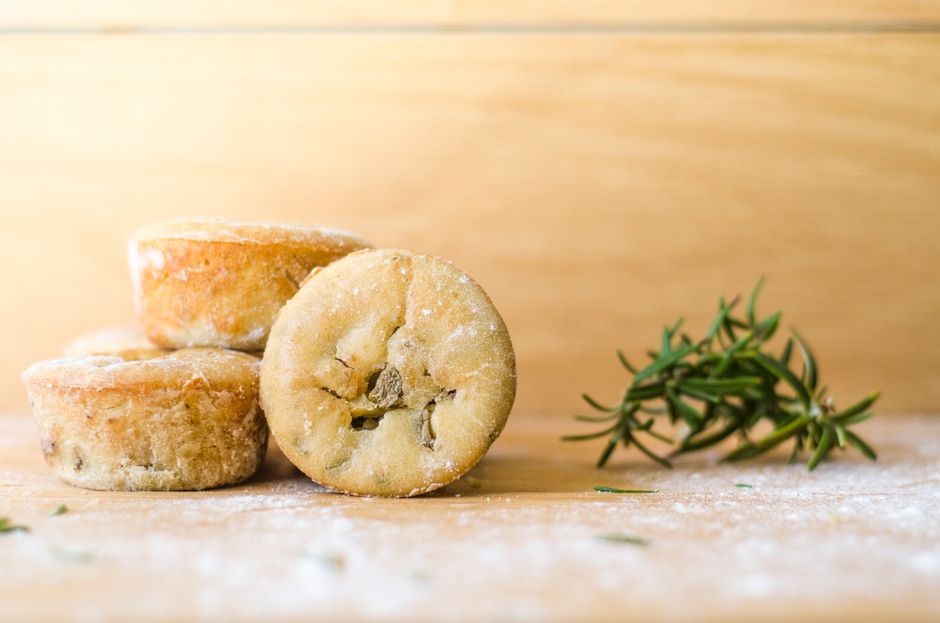
Irish Soda Bread Muffins: A Comprehensive Guide to This Rustic Delicacy
Irish soda bread muffins represent a delightful and convenient evolution of the traditional Irish soda bread, offering the same wholesome, rustic charm in a perfectly portioned, handheld format. The fundamental principle remains the same: harnessing the leavening power of baking soda, activated by an acidic ingredient, typically buttermilk, to create a tender, crumbly texture without yeast. This method, born out of necessity and resourcefulness in Ireland centuries ago, has transcended its origins to become a beloved staple for bakers worldwide. The muffin adaptation simplifies the baking process for many, allowing for quicker preparation and even cooking times, making it an ideal choice for busy households and novice bakers alike. The base recipe, characterized by its simplicity and minimal ingredients, is also incredibly versatile, lending itself to a wide array of flavor variations that can transform the humble soda bread muffin into a sweet treat or a savory accompaniment. Understanding the science behind the soda bread reaction is crucial to achieving the perfect muffin. The baking soda, a chemical leavener, reacts with the acid in buttermilk (or another acidic substitute) to produce carbon dioxide gas. This gas gets trapped within the dough, expanding and creating the characteristic rise and airy texture. Overmixing the batter is a cardinal sin in soda bread baking; it develops the gluten too much, resulting in a tough, dense muffin. The key is to mix just until the ingredients are combined, accepting a slightly shaggy batter. This gentle approach ensures the delicate crumb that defines a successful soda bread muffin.
The traditional Irish soda bread muffin is a testament to the beauty of simplicity. At its core, the recipe relies on four primary ingredients: flour, baking soda, salt, and buttermilk. All-purpose flour is commonly used, providing the necessary structure. Whole wheat flour can be incorporated for a nuttier flavor and added nutritional value, but it’s often best used in combination with all-purpose flour to maintain tenderness. Baking soda, as mentioned, is the crucial leavening agent. It’s important to ensure your baking soda is fresh; expired baking soda will result in flat, dense muffins. Salt enhances the overall flavor profile and balances the sweetness if any is added. Buttermilk is the classic acidic component that activates the baking soda. Its tangy flavor also contributes to the tenderness and moistness of the muffin. If fresh buttermilk is unavailable, a homemade substitute can be easily prepared by mixing one cup of milk with one tablespoon of lemon juice or white vinegar and letting it sit for 5-10 minutes until it thickens and curdles. The ratio of these ingredients is critical. Too much flour will lead to dryness, while too little will result in a gummy texture. The ideal batter is typically quite wet and sticky, which might seem counterintuitive for muffins, but this is precisely what contributes to their unique crumb.
The process of making Irish soda bread muffins is as straightforward as the ingredient list suggests. Preheat your oven to a moderate temperature, typically around 375-400°F (190-200°C). Prepare your muffin tin by greasing it thoroughly or lining it with paper liners. In a large bowl, whisk together the dry ingredients: flour, baking soda, and salt. In a separate bowl or jug, gently whisk the buttermilk. If adding any sugar or other dry flavorings like caraway seeds or raisins, they are typically incorporated with the dry ingredients. Make a well in the center of the dry ingredients and pour in the buttermilk. Using a fork or a spatula, mix the ingredients just until they come together to form a shaggy, lumpy dough. It is imperative not to overmix. A few streaks of flour are acceptable. The batter will be sticky and may not look like a typical muffin batter; this is normal. Divide the dough evenly among the prepared muffin cups, filling each about two-thirds to three-quarters full. For a slightly more traditional appearance, some recipes suggest shaping the tops of the muffins with a wet hand to create a slightly domed surface. Bake for approximately 20-25 minutes, or until a wooden skewer inserted into the center of a muffin comes out clean. The tops should be golden brown and the muffins should feel firm to the touch. Allow the muffins to cool in the tin for a few minutes before transferring them to a wire rack to cool completely.
The inherent versatility of Irish soda bread muffins opens a vast landscape for culinary exploration. While the plain, rustic version is undeniably delicious, numerous flavor enhancements can elevate this simple baked good. Savory variations are particularly popular and pair wonderfully with soups, stews, or as a side to a hearty meal. Incorporating grated sharp cheddar cheese, chopped chives, or a pinch of black pepper into the dry ingredients before adding the buttermilk creates a delightful cheesy and herbaceous muffin. For a slightly spicier kick, a sprinkle of cayenne pepper or a few thinly sliced jalapeños can be added. On the sweeter side, the base recipe can be adapted to accommodate a range of fruit and spice additions. Dried currants or raisins are a classic addition, providing bursts of sweetness and chewiness. Fresh berries, such as blueberries or raspberries, can also be gently folded into the batter, although care must be taken not to overmix. A hint of sweetness can be introduced by adding a tablespoon or two of sugar to the dry ingredients, though traditional soda bread often omits added sugar. Spices like cinnamon, nutmeg, or even a touch of ground ginger can transform the muffins into a comforting treat, particularly during the autumn and winter months. The key to successful flavor additions lies in their proper integration without overworking the dough. For instance, when adding fruits, ensure they are evenly distributed but avoid aggressive stirring.
Beyond the basic ingredient and flavor variations, several techniques can be employed to optimize the texture and appearance of Irish soda bread muffins. The quality of your baking soda is paramount; always check the expiration date and store it in an airtight container. Using fresh, active baking soda is non-negotiable for a good rise. Similarly, the acidity of your buttermilk plays a role. If your buttermilk is not particularly tangy, you might consider adding an extra teaspoon of lemon juice or vinegar to the milk mixture if making a homemade substitute. The temperature of your ingredients can also influence the outcome. While not as critical as in some other baking applications, using room temperature buttermilk can help it integrate more easily into the dry ingredients, promoting a more homogenous batter. The folding technique when incorporating add-ins is essential. Rather than stirring, gently fold ingredients like berries or chocolate chips into the batter using a spatula. This minimizes gluten development and prevents them from sinking to the bottom. For a crispier exterior, some bakers opt for a slightly higher oven temperature or a shorter baking time, though this requires careful monitoring to avoid burning. Conversely, a lower temperature for a longer duration can yield a more evenly baked, tender muffin. The ‘shaggy’ nature of the batter is a sign of success. Resist the temptation to overmix in an effort to achieve a smooth batter; this is where the magic of the tender crumb lies.
The historical context of Irish soda bread, and by extension its muffin derivative, is deeply rooted in the agricultural and economic realities of Ireland. Traditionally, yeast was an expensive and often inaccessible commodity, particularly for rural communities. Baking soda, readily available and inexpensive, provided a viable alternative for leavening bread. The use of buttermilk, a byproduct of butter churning, further underscored the resourcefulness of Irish bakers. The acidic nature of buttermilk reacts with the alkaline baking soda to produce carbon dioxide gas, the leavening agent. This simple chemical reaction allowed for the creation of a quick bread, ready to be baked and enjoyed in a fraction of the time required for yeasted breads. The shaping of traditional soda bread loaves, often into a round, scored with a cross, has symbolic and practical significance. The cross was believed to ward off evil spirits and also facilitated even baking. The muffin form, while a modern adaptation, retains the spirit of this rustic, no-fuss baking. It democratizes the process, making this time-honored bread accessible to even the most time-constrained baker. The simplicity of the ingredients and the method make it an ideal recipe for introducing children to baking, fostering an appreciation for traditional methods and the satisfaction of creating something delicious from scratch.
Nutritional considerations are also relevant when discussing Irish soda bread muffins. While the basic recipe is relatively simple, variations in ingredients can significantly impact its nutritional profile. Using whole wheat flour in place of or in addition to all-purpose flour will increase the fiber content, contributing to a feeling of fullness and aiding digestion. The addition of whole grains also provides a broader spectrum of vitamins and minerals. For those mindful of sugar intake, opting for the traditional unsweetened version or adding only a small amount of natural sweetener like honey or maple syrup can be beneficial. The addition of fruits and nuts or seeds can further enhance the nutritional value, introducing healthy fats, vitamins, and antioxidants. When considering cheese additions, opt for lower-fat varieties if managing saturated fat intake. The beauty of the muffin format lies in its portion control. A single muffin provides a manageable serving size, making it easier to moderate consumption compared to a larger loaf of bread. For those with dietary restrictions, substitutions can be explored. Gluten-free flour blends can be used, though they may require adjustments to liquid ratios and baking times. For a dairy-free option, plant-based milks like almond or soy milk can be combined with a tablespoon of vinegar or lemon juice to mimic buttermilk.
The baking process for Irish soda bread muffins, while simple, benefits from attention to detail. Oven temperature calibration is crucial. An oven that runs too hot can scorch the exterior before the interior is cooked through, while an oven that is too cool will result in pale, flat muffins. Using an oven thermometer to verify the accuracy of your oven’s thermostat is a worthwhile investment for any baker. The doneness test, inserting a skewer into the center, is the most reliable indicator. If it comes out with wet batter, continue baking; if it has a few moist crumbs, it’s ready. A clean skewer indicates overbaking. Cooling the muffins properly is also important for texture. Allowing them to cool in the tin for a few minutes allows them to firm up before being moved to a wire rack. A wire rack promotes air circulation, preventing the bottoms from becoming soggy and ensuring even cooling. Storing Irish soda bread muffins is generally straightforward. They are best enjoyed fresh, ideally within a day or two of baking. For longer storage, wrap them tightly in plastic wrap or store them in an airtight container at room temperature. They can also be frozen, either whole or sliced, for up to a few months. Thaw them at room temperature and gently rewarm if desired.
Marketing and SEO considerations for "Irish Soda Bread Muffins" are rooted in understanding user search intent. Keywords such as "easy Irish soda bread muffins," "quick soda bread muffin recipe," "cheddar chive soda bread muffins," "healthy soda bread muffins," and "traditional Irish soda bread muffins" will capture a broad audience. High-quality imagery showcasing the rustic texture and potential variations is vital for visual appeal and social media sharing. Detailed recipe instructions, ingredient lists with clear measurements, and troubleshooting tips contribute to user satisfaction and encourage repeat visits. Optimizing meta descriptions and titles with relevant keywords, while maintaining readability and offering a clear benefit to the user (e.g., "Deliciously Easy Irish Soda Bread Muffins – Perfect for Any Occasion"), will improve search engine ranking. Internal linking to related recipes or blog posts about Irish baking traditions can further enhance SEO and user engagement.
The enduring appeal of Irish soda bread muffins lies in their comforting simplicity, historical resonance, and remarkable adaptability. They offer a taste of tradition in a convenient, modern format, making them accessible to a wide range of home bakers. Whether enjoyed plain with a smear of butter, alongside a steaming bowl of stew, or as a sweet accompaniment to tea, these rustic muffins continue to delight palates and warm hearts. The foundation of their success rests on the fundamental chemical reaction of baking soda and acid, coupled with a gentle mixing technique that prioritizes a tender, crumbly texture over a perfectly smooth batter. This seemingly unpretentious bread, in its muffin incarnation, is a testament to the power of simple ingredients and time-honored methods to create something truly satisfying and universally cherished. The future of Irish soda bread muffins is bright, continuing to be a beloved recipe passed down through generations and embraced by new bakers discovering its charm for the first time.
