
Mongolian Beef And Spring Onions
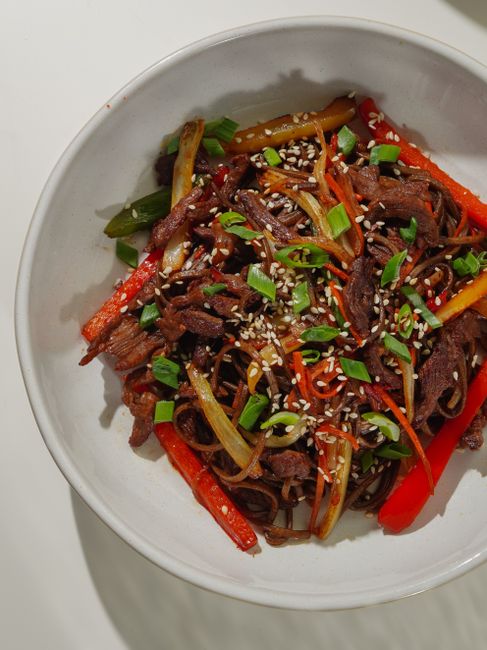
The Essential Guide to Mongolian Beef and Spring Onions: Flavor, Technique, and Culinary Synergy
Mongolian beef, a beloved stir-fry dish, owes its distinctive character to the interplay of savory, sweet, and slightly spicy flavors, a symphony that is amplified and grounded by the aromatic sharpness of spring onions. This dish, though commonly associated with Chinese-American cuisine, boasts a fascinating, albeit debated, culinary lineage. The core of its appeal lies in tender, thinly sliced beef coated in a rich, umami-laden sauce, perfectly complemented by the fresh, pungent bite of spring onions added in the final stages of cooking. Understanding the nuances of preparing both Mongolian beef and its essential partner, spring onions, is key to unlocking its full potential, transforming a simple stir-fry into a restaurant-quality experience at home.
The preparation of Mongolian beef begins with selecting the right cut of beef. Flank steak, skirt steak, or even tenderloin are excellent choices, provided they are sliced thinly against the grain. This crucial step ensures that the beef becomes exceptionally tender during the quick, high-heat cooking process characteristic of stir-frying. Marinating the beef is equally important. A typical marinade for Mongolian beef includes soy sauce, Shaoxing wine (a Chinese cooking wine that imparts a unique depth of flavor), cornstarch, and sometimes a touch of white pepper. The cornstarch serves a dual purpose: it tenderizes the beef and helps create a slightly thickened sauce that clings beautifully to each morsel. Some recipes also advocate for a brief marination in oil, which can further enhance tenderness and prevent sticking. The exact ratios in the marinade can be adjusted based on personal preference, but the fundamental components remain consistent.
The sauce for Mongolian beef is where the magic truly happens. It’s a balance of sweet, savory, and subtly spicy elements. Key ingredients include soy sauce (often a combination of light and dark soy sauce for both saltiness and color), oyster sauce for its rich umami and slight sweetness, brown sugar or honey for sweetness and gloss, and often a splash of rice vinegar for acidity to cut through the richness. A hint of chili, such as dried red chilies or chili flakes, is sometimes incorporated to provide a gentle heat. The precise composition of the sauce varies, with some versions leaning more towards sweet, while others emphasize the savory notes. The cornstarch slurry, a mixture of cornstarch and water, is typically added at the end to thicken the sauce to the desired consistency, ensuring it coats the beef and other ingredients luxuriously.
Spring onions, also known as green onions or scallions, are the indispensable aromatic partner to Mongolian beef. Their role is not merely decorative; they contribute a vital layer of fresh, pungent flavor that contrasts with the richness of the beef and sauce. Spring onions are generally added towards the end of the stir-frying process to preserve their vibrant color and crisp-tender texture. This means they are introduced when the beef is almost cooked through and the sauce is being finished. The green parts of the spring onion are typically separated from the white parts, with the white parts sometimes being added slightly earlier for a milder flavor infusion, while the bright green tops are reserved for a final burst of freshness and visual appeal.
The cooking technique for Mongolian beef and spring onions is almost exclusively stir-frying. This method involves cooking ingredients quickly over high heat in a wok or a large skillet. The high heat sears the meat and vegetables rapidly, locking in moisture and developing a characteristic smoky flavor known as "wok hei." Before stir-frying, it’s essential to have all ingredients prepped and ready to go, as the process is very fast. The beef is usually cooked first, seared until browned and cooked through, then removed from the wok. Aromatics like garlic and ginger are then quickly sautéed, followed by the vegetables, and finally, the sauce is added and thickened. The cooked beef is then returned to the wok along with the spring onions, tossed briefly to coat everything evenly in the glossy sauce.
The flavor profile of Mongolian beef is a testament to the power of well-balanced umami, sweetness, and a hint of spice. The deep, savory notes come from the soy sauce and oyster sauce, while the brown sugar or honey provides a pleasing sweetness that prevents the dish from becoming overly salty. The Shaoxing wine adds a complex depth that is difficult to replicate with other liquids. When spring onions are introduced, they bring a refreshing counterpoint. Their mild oniony flavor, with a subtle peppery finish, cuts through the richness of the sauce and the beef, awakening the palate. The slightly crisp texture of the cooked spring onions also adds an important textural dimension to the dish, preventing it from being one-dimensionally soft.
From an SEO perspective, the keywords "Mongolian beef" and "spring onions" are central. Optimizing content around these terms involves not only using them frequently but also naturally incorporating related terms such as "stir-fry recipe," "beef marinade," "Asian cuisine," "Chinese cooking," "umami sauce," "tender beef," "flavorful stir-fry," "easy weeknight meal," and "how to make Mongolian beef." High-quality images of the finished dish, featuring the vibrant green of the spring onions against the rich brown of the beef and sauce, are also crucial for engagement and shareability. Structured data markup, such as recipe schema, can help search engines understand the content and display rich results, including ratings, cook time, and ingredient lists.
The culinary synergy between Mongolian beef and spring onions is a prime example of how simple ingredients, when combined with skillful preparation, can create extraordinary dishes. The sharpness of the spring onions acts as a natural palate cleanser, preparing the diner for the next intensely flavored bite of beef. This contrast is not accidental; it’s a deliberate culinary choice that enhances the overall eating experience. The slight bite of the white parts of the spring onion and the fresh, bright taste of the green parts offer different nuances of flavor and texture, both of which are integral to the dish’s success.
When considering variations, the beauty of Mongolian beef lies in its adaptability. While the core components remain, different regions and individual cooks introduce their own twists. Some might add a touch of hoisin sauce for extra sweetness and complexity. Others might incorporate a few drops of sesame oil at the end for its nutty aroma. The type of chili used can also be varied, from mild dried chilies to more potent varieties for those who prefer a spicier kick. However, the inclusion of spring onions is almost universally maintained, underscoring their fundamental importance to the dish’s identity.
For optimal results when preparing Mongolian beef and spring onions, attention to detail in cooking is paramount. High heat is non-negotiable for achieving that characteristic sear and wok hei. Overcrowding the wok is another common pitfall; cooking in batches ensures that the ingredients fry rather than steam, leading to better texture and flavor development. The timing of adding the spring onions is also critical. They should be tossed in only in the last minute or two of cooking to retain their vibrant color and slight crispness. If cooked for too long, they will become limp and lose their appealing fresh flavor.
The nutritional aspects of Mongolian beef and spring onions are also worth noting. Lean cuts of beef provide essential protein and iron. The sauce, while delicious, can be high in sodium and sugar, so moderation is key. Using lower-sodium soy sauce and adjusting the amount of sugar can make the dish healthier. Spring onions themselves are a good source of vitamins A and K, as well as antioxidants. They are a low-calorie addition that significantly boosts the nutritional value and flavor of the dish without adding significant fat.
In terms of presenting Mongolian beef, the traditional accompaniment is steamed rice, which serves as a neutral canvas to absorb the flavorful sauce. A side of steamed or blanched vegetables, such as broccoli or bok choy, can add further nutritional value and visual appeal. The vibrant green of the spring onions in the finished dish provides a beautiful contrast to the rich brown of the beef and sauce, making it an aesthetically pleasing meal.
The popularity of Mongolian beef in Chinese-American restaurants speaks to its broad appeal. It’s a dish that satisfies a craving for something deeply savory and slightly sweet, with a satisfying texture and a hint of spice. The inclusion of spring onions elevates it from a standard stir-fry to a more nuanced and sophisticated culinary creation. They are not merely an afterthought but an integral component that contributes significantly to the dish’s overall character.
The historical context of Mongolian beef is a topic of some debate. While it bears the name "Mongolian," its origins are not directly tied to traditional Mongolian cuisine. Some theories suggest it originated in Taiwan in the 1950s, inspired by Mongolian barbecue, which itself is a fusion concept. Others point to its development within Chinese restaurants in America, where chefs adapted traditional Chinese stir-fry techniques to cater to local palates, incorporating elements that became hallmarks of what we now recognize as American Chinese food. Regardless of its precise origin story, its enduring popularity is a testament to its deliciousness and the masterful balance of its flavors and textures, with spring onions playing a supporting yet essential role.
When writing about Mongolian beef and spring onions for an SEO-focused audience, it’s important to consider the search intent of users. They are likely looking for recipes, cooking tips, ingredient information, and perhaps the cultural context of the dish. Therefore, providing comprehensive, accurate, and engaging content that addresses these needs will not only satisfy the reader but also improve search engine rankings. The use of long-tail keywords, such as "how to make tender Mongolian beef at home" or "best way to cut spring onions for stir-fry," can attract highly targeted traffic.
The importance of proper slicing for both the beef and the spring onions cannot be overstated. For the beef, slicing thinly against the grain is crucial for tenderness. For spring onions, slicing on an angle or into segments that are roughly uniform in size ensures even cooking and a pleasant eating experience. The white parts and green parts can be sliced differently to achieve varying textures and flavor releases.
In conclusion, Mongolian beef and spring onions represent a harmonious culinary partnership. The rich, savory, and sweet notes of the beef and its accompanying sauce are perfectly complemented by the fresh, pungent, and slightly peppery kick of the spring onions. Mastering the techniques of marinating and stir-frying the beef, balancing the sauce ingredients, and judiciously incorporating the spring onions are the keys to creating this beloved dish. The synergy between these components, both in flavor and texture, is what makes Mongolian beef a perennial favorite, a testament to the power of simple, well-executed ingredients working in concert.
