
Moroccan Harira Bean Soup
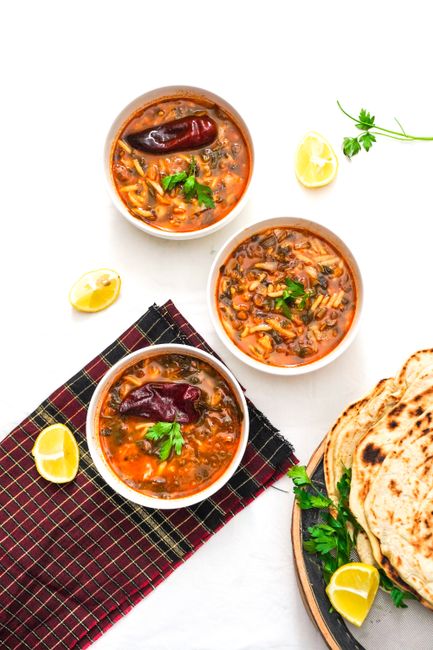
Moroccan Harira Bean Soup: A Hearty and Nutritious Culinary Staple
Moroccan Harira bean soup is a cornerstone of Moroccan cuisine, renowned for its rich flavor profile, substantial texture, and impressive nutritional density. Traditionally consumed to break the fast during Ramadan, Harira’s appeal extends far beyond religious observance, making it a beloved and readily prepared meal year-round. Its complex layering of spices, tender legumes, and aromatic vegetables offers a deeply satisfying culinary experience, rich in both taste and health benefits. This comprehensive guide delves into the essential components, preparation techniques, variations, and SEO considerations for understanding and appreciating this iconic Moroccan dish.
The fundamental building blocks of Harira are its legumes, typically a combination of chickpeas and lentils. Chickpeas, scientifically known as Cicer arietinum, provide a creamy texture and a good source of protein, fiber, and essential minerals like iron and folate. Their slightly nutty flavor complements the other ingredients harmoniously. Lentils, often red or brown varieties, contribute additional protein and fiber, thickening the soup considerably and adding a distinct earthiness. Red lentils, in particular, break down during cooking, contributing to a smoother, creamier consistency, while brown lentils retain their shape more, offering a pleasant textural contrast. The choice of legumes is crucial; it dictates the soup’s heartiness and overall nutritional impact, making it a complete and satisfying meal in itself.
Beyond the legumes, the aromatic base of Harira is paramount. This typically involves finely chopped onions and garlic, sautéed until softened and fragrant. Onions provide a sweet and savory foundation, while garlic adds its characteristic pungent depth. The careful caramelization of these aromatics is a crucial step, unlocking their full flavor potential and infusing the soup with a complex sweetness. Tomatoes, either fresh or canned, are another vital component, offering acidity, umami, and vibrant color. Diced fresh tomatoes contribute a brighter, fresher flavor, while crushed or puréed canned tomatoes provide a more concentrated, deeper tomato essence. The acidity of the tomatoes also helps to balance the richness of the legumes and spices.
The spice blend is where Harira truly earns its reputation for complexity and warmth. A symphony of individual spices is orchestrated to create a unique and unforgettable flavor. Cumin, with its earthy and slightly peppery notes, is a non-negotiable. Coriander, both ground and sometimes fresh cilantro, adds a citrusy, herbaceous dimension. Turmeric, known for its vibrant golden hue and subtle peppery warmth, also contributes anti-inflammatory properties. Ginger, fresh or ground, provides a zesty kick and a warming sensation. Cinnamon, often used sparingly, adds a surprising hint of sweetness and warmth that beautifully complements the savory elements. Black pepper, paprika (sweet or smoked), and sometimes a pinch of cayenne pepper for heat are also common additions, rounding out the flavor profile. The precise ratios of these spices are often a closely guarded family secret, leading to subtle but distinct variations in every household.
The inclusion of fresh herbs further elevates the aromatic complexity of Harira. Fresh cilantro and parsley are indispensable, finely chopped and added towards the end of the cooking process. Their bright, green flavors cut through the richness of the soup and provide a refreshing counterpoint. Some recipes also incorporate fresh mint, particularly in the more refined versions, adding an unexpected yet delightful coolness. These herbs not only enhance the flavor but also contribute to the soup’s visual appeal, adding flecks of vibrant green against the warm hues of the broth.
The cooking liquid for Harira is typically water or a light chicken or vegetable broth. Broth adds an extra layer of savory depth, but water is perfectly acceptable, especially when the other ingredients are so flavorful. The slow simmering process is essential for allowing the flavors to meld and develop, and for tenderizing the legumes. This patient approach transforms simple ingredients into a rich, satisfying broth that is the soul of the soup.
The preparation of Harira is a methodical process. It begins with sautéing the onions and garlic in a generous amount of olive oil until translucent and lightly golden. This foundation is then enriched with the spices, allowing them to bloom in the hot oil and release their aromatic compounds. The chopped tomatoes are added next, followed by the drained and rinsed chickpeas and lentils. The broth or water is poured in, and the soup is brought to a boil before being reduced to a gentle simmer. The simmering time can vary, typically ranging from 45 minutes to over an hour, depending on the desired texture and how thoroughly the legumes are cooked. During this simmering period, it’s common to stir occasionally to prevent sticking and to ensure even cooking. Some cooks also remove a portion of the cooked legumes and purée them to reintroduce into the soup, further thickening its consistency.
A traditional finishing touch for authentic Harira is the incorporation of tadir or daghmira. This is a thickener made from a mixture of flour and water, sometimes with an egg yolk whisked in for added richness. This mixture is gradually stirred into the simmering soup in the last 15-20 minutes of cooking, creating a lusciously thick and velvety texture. The precise consistency is a matter of personal preference, with some enjoying a thinner, brothier Harira and others preferring a heartier, stew-like consistency. The careful addition and stirring of the flour mixture are key to avoiding lumps and achieving the desired thickness.
Serving Harira is often accompanied by traditional accompaniments that enhance the dining experience. Freshly squeezed lemon juice is a common accompaniment, its bright acidity cutting through the richness and adding a refreshing tang. A sprinkle of fresh cilantro or parsley is often added as a garnish. Many Moroccans also enjoy dipping crusty bread, such as khobz (Moroccan bread), into their Harira, soaking up every last drop of the flavorful broth. Dates are also a traditional accompaniment, particularly during Ramadan, their natural sweetness providing a perfect counterpoint to the savory soup.
Variations of Harira exist throughout Morocco, with regional and familial preferences dictating subtle differences. Some recipes may include a small amount of meat, such as lamb or beef, adding another dimension of flavor and protein. These meat versions are often richer and more decadent. Others might incorporate additional vegetables like celery or carrots, further enhancing the soup’s nutritional profile and textural complexity. The type of lentils used can also vary; while red and brown lentils are most common, green lentils can also be used, offering a slightly firmer texture. The spice profiles can also be adjusted, with some opting for a spicier version with more cayenne or harissa, while others favor a milder, more subtly spiced soup.
The nutritional benefits of Harira are undeniable. It’s a powerhouse of plant-based protein and dietary fiber, thanks to the generous quantities of chickpeas and lentils. This combination promotes satiety, aids digestion, and contributes to stable blood sugar levels. The various spices, particularly turmeric and ginger, are rich in antioxidants and possess anti-inflammatory properties. The abundance of vitamins and minerals from the vegetables and legumes, such as iron, folate, potassium, and magnesium, further contribute to its overall healthfulness. This makes Harira an excellent choice for a nutritious and filling meal, suitable for a wide range of dietary needs and preferences, including vegetarian and vegan diets.
For SEO purposes, incorporating relevant keywords throughout the article is crucial. Terms like "Moroccan Harira soup," "bean soup recipe," "lentil and chickpea soup," "Ramadan soup," "traditional Moroccan food," "healthy soup," "plant-based protein," "fiber-rich," and "spiced bean soup" should be strategically placed. Highlighting the ingredients (chickpeas, lentils, tomatoes, cumin, coriander, turmeric, ginger) and the preparation method (simmering, thickener, garnishes) will also attract users searching for specific information. Using descriptive language that evokes the sensory experience of the soup – "hearty," "nutritious," "aromatic," "fragrant," "rich," "satisfying" – can also improve engagement.
In conclusion, Moroccan Harira bean soup is a testament to the power of simple, wholesome ingredients transformed by thoughtful preparation and a masterful blend of spices. Its enduring popularity speaks to its ability to nourish both the body and the soul, offering a comforting, flavorful, and incredibly healthy culinary experience that transcends borders and traditions. Whether enjoyed during the sacred month of Ramadan or as a delightful meal any time of year, Harira remains an undisputed icon of Moroccan gastronomy, deserving of its esteemed place in kitchens worldwide. Understanding its core components, preparation nuances, and inherent nutritional value allows for a deeper appreciation of this truly remarkable dish.
