
Munich Air Disaster Manchester United Crash
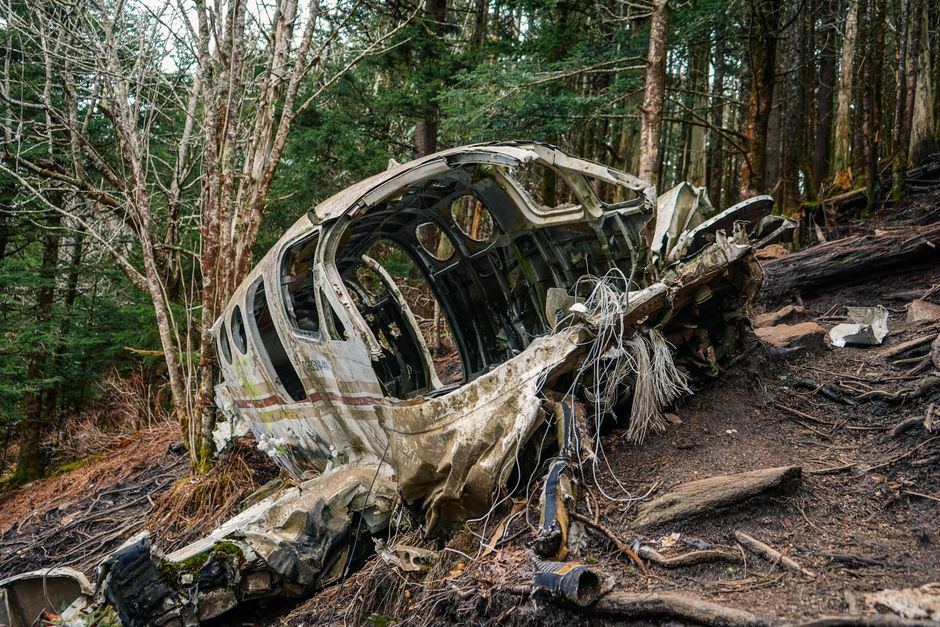
The Munich Air Disaster: Manchester United’s Tragic Loss and Enduring Legacy
The Munich air disaster, a catastrophic event that irrevocably altered the course of football history, occurred on February 6, 1958, when a British European Airways flight crashed on its third attempt to take off from a slush-covered runway at Munich-Riem Airport. Onboard were the Manchester United football team, affectionately known as the "Busby Babes" due to their youth and success, along with supporters and journalists. The crash resulted in the deaths of 23 people, including eight Manchester United players, and left many others with severe injuries. This event not only decimated one of the most promising teams in English football but also profoundly impacted the club, its fans, and the sport as a whole, leaving a legacy that continues to be remembered and honored decades later.
The Manchester United squad that boarded flight BE375 was at the pinnacle of its domestic dominance. Managed by the visionary Sir Matt Busby, the "Busby Babes" had won the First Division title in the 1956-57 season and were on their way back from a European Cup quarter-final match against Red Star Belgrade. Their journey was not merely about footballing prowess; it represented a new era of dynamic, attacking football that captivated audiences and instilled a sense of national pride. The team’s youthful exuberance, coupled with their remarkable skill, had made them darlings of the English game. Players like Duncan Edwards, a prodigy tipped for greatness, Roger Byrne, the captain, and Tommy Taylor, a prolific scorer, were household names and future legends in the making. The ambition of the club and the players extended beyond domestic success, with the European Cup being the ultimate prize they were striving for. Their return from Yugoslavia was a brief interlude before resuming their pursuit of glory, unaware of the tragedy that lay in wait.
The sequence of events leading to the crash is a somber testament to a confluence of factors. The aircraft, a Vickers Viscount turboprop airliner, had initially landed in Munich for refueling after a challenging flight from Belgrade. The weather conditions were deteriorating, with heavy snow and poor visibility. A thick layer of slush had accumulated on the runway, significantly affecting braking performance. The first two takeoff attempts were aborted due to the dangerous conditions. The crew, under pressure to get the flight underway, made the fateful decision to attempt a third takeoff. Tragically, the aircraft failed to achieve sufficient speed to become airborne and veered off the runway, crashing through a fence and into a nearby building. The immediate aftermath was chaos and devastation. Emergency services worked tirelessly in the harsh winter conditions to rescue survivors, but the scale of the destruction was immense. The loss of life was profound, cutting short the lives and careers of some of football’s brightest talents.
The human cost of the Munich air disaster was immense and deeply felt by Manchester United and the wider football community. Of the 44 people on board, 23 perished. The eight Manchester United players who lost their lives were Geoff Bent, Roger Byrne, Eddie Colman, Duncan Edwards, Mark Jones, David Pegg, Tommy Taylor, and Liam Whelan. The loss of Duncan Edwards was particularly poignant, as he was widely considered one of the greatest English footballers of all time, still only 21 years old and having already amassed 18 caps for England. His survival for a period in hospital, fighting for his life, offered a glimmer of hope that was ultimately extinguished, adding to the heartbreak. Beyond the players, the crash also claimed the lives of three club staff members, including the club secretary Walter Crickmer, and eight journalists who were documenting the team’s journey. The impact on families and loved ones was immeasurable, leaving a void that could never be filled.
The aftermath of the disaster saw Manchester United face an existential crisis. The team had been annihilated, and the club was left to rebuild from the ground up. Sir Matt Busby himself was critically injured, spending weeks in hospital and facing a long and arduous recovery. The club’s reserve team players and staff stepped in to fulfill the remaining fixtures, a testament to their resilience and dedication. The Football Association, acknowledging the unprecedented circumstances, granted Manchester United special dispensation to field a team. Bill Foulkes and Harry Gregg were among the surviving players who, despite their own physical and psychological trauma, showed immense courage by playing on. The club’s spirit, however, was embodied by Sir Matt Busby, who, upon his recovery, vowed to rebuild the team and continue the legacy of the "Busby Babes." His determination and leadership were crucial in guiding Manchester United through its darkest hour.
The recovery and rebuilding process for Manchester United was a slow and emotional journey. The club struggled in the seasons immediately following the tragedy, but under Busby’s unwavering leadership, a new generation of talent began to emerge. Players like Bobby Charlton, another survivor of the crash who went on to become a club and national legend, and George Best and Denis Law, who formed the iconic "Holy Trinity" with Charlton, were instrumental in the club’s revival. The 1960s saw Manchester United gradually ascend back to the top of English football, culminating in their historic FA Cup win in 1963 and their league title victories in 1965 and 1967. The ultimate triumph, however, came in 1968, when Manchester United, 10 years after the Munich disaster, lifted the European Cup at Wembley Stadium. This victory was not just a sporting achievement; it was a deeply symbolic moment of catharsis and a fitting tribute to the fallen "Busby Babes." It demonstrated the indomitable spirit of the club and its ability to overcome immense adversity.
The Munich air disaster left an indelible mark on the sport of football, prompting significant changes in safety regulations and procedures. Investigations into the crash highlighted shortcomings in the aircraft’s design, runway maintenance, and the decision-making process during the takeoff attempts. These findings led to a heightened awareness of aviation safety within the sports world, particularly concerning the travel of teams. Airlines and governing bodies began to implement stricter protocols for weather conditions, aircraft maintenance, and crew training. The tragedy served as a stark reminder of the inherent risks associated with air travel, even for the privileged few, and the critical importance of prioritizing safety above all else. The world of sport learned a painful lesson that day in Munich, a lesson that has undoubtedly saved lives in the years since.
The legacy of the Munich air disaster is multifaceted and enduring. At Manchester United, it is woven into the very fabric of the club’s identity. The club’s stadium, Old Trafford, features a memorial to the victims, and the "Munich Clock" famously stopped at 3:04 PM, the time of the crash. Every year on February 6th, the club and its supporters hold a memorial service to remember those lost. The stories of the "Busby Babes" continue to be told, serving as a poignant reminder of the potential that was tragically cut short. Beyond the club, the disaster is remembered as a moment when football experienced a profound collective grief. It humanized the sport, reminding everyone that behind the glamour and competition, there were individuals with dreams, families, and futures. The resilience shown by Manchester United in the face of such devastation became an inspiration, demonstrating the power of the human spirit and the unifying force of sport.
The impact on football journalism was also significant. Several prominent sports writers lost their lives in the crash, leaving gaps in the reporting of the game. This tragedy underscored the risks undertaken by journalists to cover major sporting events and highlighted the vital role they play in connecting fans with the action. The event served as a catalyst for re-evaluating travel arrangements and safety considerations for media personnel accompanying sports teams on international tours.
In conclusion, the Munich air disaster of February 6, 1958, stands as one of the most tragic events in the history of football. It decimated a promising Manchester United side, leaving behind a legacy of loss, resilience, and ultimate triumph. The memory of the "Busby Babes" lives on, not just as a cautionary tale about the fragility of life but also as a testament to the enduring power of the human spirit and the unbreakable bond between a club, its supporters, and its fallen heroes. The disaster prompted vital safety improvements in aviation within the sporting world and serves as a perpetual reminder of the sacrifices made and the lives tragically altered on that fateful day. Manchester United’s subsequent success, particularly their European Cup victory in 1968, was a poignant and fitting tribute to the team that was so cruelly taken from them, ensuring that their memory, and the lessons learned from their loss, would never be forgotten.
