
My Country Style Steak
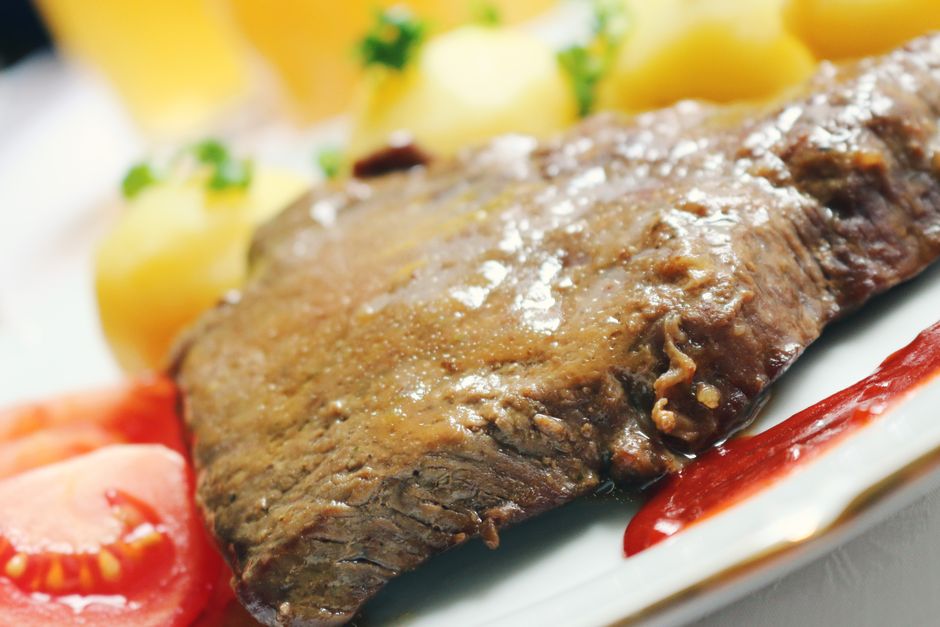
Country Style Steak: A Hearty Embrace of Comfort and Flavor
Country style steak, a culinary cornerstone in many American households, represents a deeply satisfying and unpretentious meal. Its essence lies in tenderizing tougher cuts of beef, typically chuck or round steak, through a deliberate, slow-cooking process. This method not only transforms humble ingredients into a succulent experience but also imbues the dish with a rich, savory character that resonates with the spirit of home cooking. While specific preparations may vary regionally, the core principle remains consistent: transforming a less-than-premium cut of beef into a melt-in-your-mouth delight, often enveloped in a luscious gravy. The beauty of country style steak lies in its adaptability and its ability to be a weeknight savior or a weekend indulgence, demanding minimal culinary expertise yet delivering maximum flavor impact. Understanding the nuances of its preparation, from selecting the right cut to mastering the gravy, is key to unlocking its full potential and appreciating its place as a beloved classic.
The foundation of exceptional country style steak begins with the judicious selection of beef. While the name "steak" might conjure images of prime rib or filet mignon, country style steak thrives on more economical, flavorful, yet potentially tougher cuts. Chuck steak, known for its excellent marbling and connective tissues, is a prime candidate. As these tissues break down during slow cooking, they render fat and collagen, contributing significantly to the steak’s tenderness and rich flavor profile. Round steak, particularly bottom round or top round, also works well. These cuts are leaner but possess a robust beefy taste that benefits greatly from tenderization. When purchasing, look for cuts with a visible but not excessive amount of marbling – those thin white streaks of fat interspersed within the muscle. The connective tissue, a whitish, glistening material, is also desirable as it will soften and dissolve, adding moisture and depth. Thickness also plays a role; aim for steaks that are about 3/4 to 1 inch thick, allowing for adequate browning without drying out during the cooking process. Pre-cut country style steak, often available in grocery stores, is a convenient option derived from chuck or round, already portioned for this specific dish. However, experienced cooks can achieve superior results by selecting their own cut and trimming any excessive fat or gristle, leaving enough to contribute to the final flavor and moisture.
The tenderization process is paramount to achieving country style steak’s signature succulence. Beyond the inherent qualities of the beef cut, several techniques contribute to its transformation. Pounding the steak, using a meat mallet or the flat side of a heavy pan, physically breaks down muscle fibers, making the meat more yielding to the fork. However, this is often a preliminary step, and the true magic happens through slow cooking. Braising, a combination cooking method involving searing followed by simmering in liquid, is the cornerstone of most country style steak recipes. The extended exposure to moist heat allows tough connective tissues to break down into gelatin, rendering the steak incredibly tender and juicy. Alternatively, some recipes employ a method akin to "smothering" the steak, where it’s cooked in a flavorful liquid, often a gravy or broth, for an extended period. This technique ensures continuous moisture, preventing the steak from drying out and allowing it to absorb the surrounding flavors. The choice of cooking vessel also influences the outcome. A heavy-bottomed Dutch oven or a sturdy oven-safe skillet with a lid is ideal for braising, as it distributes heat evenly and retains moisture effectively. For oven-baked preparations, a baking dish covered tightly with foil or a lid serves a similar purpose. The objective throughout this phase is to achieve a state where the steak can be easily pulled apart with a fork, a testament to its successful tenderization.
The savory embrace of a well-executed gravy elevates country style steak from a simple protein to a complete comfort food experience. The gravy serves a dual purpose: it tenderizes the steak during cooking and provides a luscious sauce to accompany the finished dish. The foundation of this rich gravy is typically built upon the rendered fat and flavorful drippings left in the pan after searing the steak. Onions and garlic, finely minced, are often sautéed in this residual fat, releasing their aromatic sweetness and forming the initial flavor base. A thickening agent, most commonly all-purpose flour or cornstarch, is then incorporated to create a roux or slurry, respectively. When using flour, it’s whisked into the sautéed aromatics and cooked for a minute or two to eliminate the raw flour taste, creating a paste that will later bind the liquid. If opting for cornstarch, it’s typically mixed with a small amount of cold liquid (water or broth) to form a smooth slurry before being added to the simmering sauce. The liquid component of the gravy is crucial for both flavor and texture. Beef broth or stock is the most common choice, providing a deep, beefy foundation. However, variations can include chicken broth for a lighter profile or even a splash of red wine for added complexity and acidity. Seasoning is key, with salt and freshly ground black pepper being essential. Worcestershire sauce adds a umami depth, while herbs like thyme, rosemary, or a bay leaf can impart subtle herbaceous notes during the simmering process. The consistency of the gravy is a matter of preference, but it should be thick enough to coat the back of a spoon, creating a comforting, velvety finish that perfectly complements the tender steak.
The culinary journey of country style steak is often characterized by its distinct regional interpretations and variations, reflecting the diverse palates and available ingredients across the United States. In the Southern United States, a classic rendition often features a breaded and pan-fried steak, followed by simmering in a milk-based gravy. This "smothered steak" or "smothered steak and gravy" preparation utilizes the pan drippings and milk to create a creamy, rich sauce. The breading, typically a mixture of flour, salt, and pepper, crisps up during the initial searing, adding a subtle textural contrast before being softened by the simmering gravy. This style emphasizes a pronounced creamy richness, a hallmark of Southern comfort food. Further north, particularly in the Midwest, variations might lean towards a simpler braising liquid, often a beef broth fortified with onions and a touch of tomato paste for depth. The focus here is on a more robust, beef-forward flavor profile, with the gravy serving as a concentrated essence of the braising liquid. Some recipes might incorporate vegetables directly into the braise, such as carrots, celery, or potatoes, transforming the dish into a more complete one-pot meal, with the vegetables absorbing the savory flavors of the steak and gravy. The use of specific seasonings can also vary. While black pepper and salt are universal, some regional variations might include a pinch of cayenne pepper for a subtle warmth, a dash of paprika for color, or even a hint of dried sage for an earthy undertone. These regional nuances, while seemingly minor, contribute to the rich tapestry of country style steak, making each iteration a unique expression of its culinary heritage.
The preparation of country style steak is surprisingly accessible, making it an ideal dish for both novice cooks and seasoned home chefs. The process generally begins with seasoning the steaks generously with salt and black pepper. For enhanced flavor and a better sear, a light dusting of flour can be applied to the seasoned steaks, shaking off any excess. This flour coating also aids in the browning process and contributes to the thickening of the final gravy. Next, the steaks are typically seared in a hot, oiled skillet, usually a cast-iron or heavy-bottomed pan, until a deep golden-brown crust forms on both sides. This searing step is crucial for developing flavor through the Maillard reaction, creating those desirable browned bits that will later contribute to the gravy. Once seared, the steaks are often removed from the pan temporarily. If onions and garlic are part of the recipe, they are then added to the same pan and sautéed in the rendered steak drippings until softened and fragrant. The flour for the gravy is then whisked in and cooked for a minute or two, forming a roux. Gradually, the liquid (beef broth, water, or a combination) is poured in, whisking constantly to prevent lumps, until a smooth, thickened gravy begins to form. The seared steaks are then returned to the pan, nestled into the gravy, ensuring they are partially submerged. The pan is then covered tightly, and the dish is transferred to a preheated oven (typically around 300-350°F or 150-175°C) or simmered on the stovetop over low heat. The cooking time will vary depending on the thickness of the steaks and the desired tenderness, but generally ranges from 1.5 to 3 hours, or until the steak is fork-tender and easily pulls apart. Throughout the simmering process, it’s advisable to check the liquid level periodically and add more broth or water if it appears to be reducing too much, ensuring the steaks remain moist and tender.
Serving country style steak is an exercise in embracing comfort and tradition. The most classic accompaniment is, without question, mashed potatoes. Their creamy, yielding texture acts as the perfect canvas for the rich, savory gravy, allowing it to be absorbed and savored with every bite. The subtle sweetness of well-made mashed potatoes provides a delightful contrast to the robust beef flavor. Another popular pairing is buttered noodles or egg noodles, their tender strands readily clinging to the gravy, offering a satisfying chew and a comforting carb base. Rice, particularly white rice, also serves as an excellent vehicle for soaking up the flavorful sauce. For those seeking a slightly more refined yet still comforting experience, biscuits are an exceptional choice. Their flaky, buttery interior is perfect for sopping up every last drop of gravy. Beyond the starch, green vegetables offer a welcome touch of freshness and color to the plate. Steamed green beans, often simply seasoned with salt and pepper, provide a crisp, slightly earthy counterpoint to the richness of the steak and gravy. Sautéed spinach or kale, wilted with garlic, offers a slightly bitter, nutrient-dense addition. Creamed corn, a sweet and creamy vegetable side, further enhances the comfort food theme. For a more substantial meal, a side of coleslaw, with its crisp shredded cabbage and tangy dressing, can cut through the richness and add a refreshing element. The presentation is typically unpretentious; the steak is often served nestled in its gravy, with the chosen starch and vegetables arranged alongside. The focus is on abundance and homestyle appeal, encouraging diners to generously ladle the gravy over their meal. The visual of a steaming plate, with tender chunks of steak glistening under a rich, brown sauce, is a powerful invitation to indulge in a truly satisfying culinary experience.
The enduring appeal of country style steak lies in its ability to deliver profound comfort and satisfaction without demanding extensive culinary prowess or premium ingredients. It is a testament to the power of simple, honest cooking, where time and technique transform humble cuts of beef into something truly special. This dish embodies a sense of nostalgia, evoking memories of family meals and the warmth of a home kitchen. Its adaptability allows it to be a weeknight staple, requiring minimal hands-on time once it’s in the oven or simmering on the stovetop, yet still providing a hearty and nourishing meal. On weekends, it can be a celebratory dish, offering a comforting and familiar taste that brings people together. The mastery of country style steak is not about complex techniques or exotic ingredients, but rather about understanding the principles of tenderization, the art of building flavor in a gravy, and the patience to allow the ingredients to meld and develop. It is a dish that feeds the body and soothes the soul, a true classic in the pantheon of comfort food, consistently delivering a deeply rewarding and flavorful dining experience that resonates across generations and regions. Its SEO-friendly nature stems from its widespread popularity, the common search terms associated with it (e.g., "easy country steak recipe," "smothered steak gravy," "tender chuck steak recipe"), and its inherent appeal to a broad audience seeking hearty, home-style meals. The accessibility of ingredients, coupled with the forgiving nature of the cooking process, makes it a consistently searched and highly engaged-with topic within the food blogging and recipe development sphere.
