
Overnight Slow Cooker Oatmeal
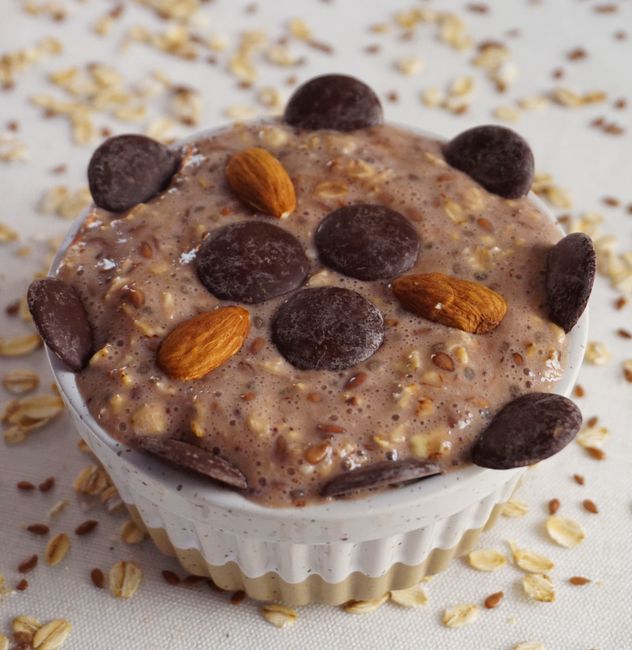
Overnight Slow Cooker Oatmeal: Effortless, Wholesome Breakfast Perfection
Overnight slow cooker oatmeal emerges as a revolutionary approach to breakfast preparation, transforming a potentially time-consuming morning meal into an incredibly convenient and healthy staple. This method leverages the gentle, consistent heat of a slow cooker to cook oats overnight, resulting in a perfectly tender, creamy, and fully cooked batch of oatmeal ready to be enjoyed the moment you wake up. Unlike traditional stovetop oatmeal, which demands constant stirring and attention, or overnight oats soaked cold, which can sometimes have a slightly gummy texture or require precise liquid-to-oat ratios to avoid being too hard or too mushy, slow cooker oatmeal offers a hands-off, foolproof method for consistently delicious results. The low and slow cooking process breaks down the oats more thoroughly, creating a superior texture that is both satisfying and easily digestible. Furthermore, the extended cooking time allows flavors to meld beautifully, making it an ideal canvas for a wide array of customizable toppings and additions. This makes it a go-to for busy individuals, families with hectic mornings, or anyone seeking a nourishing and effortless start to their day. The inherent simplicity of the technique, coupled with its health benefits and versatility, positions overnight slow cooker oatmeal as a modern breakfast powerhouse, perfectly aligned with the demands of contemporary lifestyles.
The fundamental principles behind overnight slow cooker oatmeal revolve around the controlled application of low heat over an extended period. Unlike the rapid boiling required for stovetop oats, the slow cooker operates at a much gentler temperature, typically between 170-200°F (77-93°C) on the "low" setting. This sustained warmth effectively cooks the oats through, softening their structure and releasing their starches, which contributes to the characteristic creaminess of the final product. The overnight duration, usually between 6 to 8 hours, is crucial. This extended time ensures that the oats are fully hydrated and tenderized, preventing any residual hardness or chalkiness that can sometimes plague other quick oat preparation methods. The moisture from the liquid – typically water, milk, or a combination – is steadily absorbed by the oats, creating a homogenous and comforting texture. The slow cooker’s lid traps this moisture, preventing evaporation and ensuring that the oats cook in their own steam, further enhancing their tenderness and flavor development. This passive cooking process eliminates the need for any manual intervention once the ingredients are assembled, freeing up valuable morning time. The success of this method hinges on the right ratio of oats to liquid, which can vary slightly depending on the type of oats used and desired consistency, but generally leans towards a slightly higher liquid ratio than traditional methods to accommodate the prolonged cooking time. The magic lies in waking up to a pot of perfectly cooked, warm oatmeal, eliminating the need for any morning fuss.
Selecting the right type of oats is paramount for achieving optimal results with overnight slow cooker oatmeal. The most common and highly recommended oat for this method is rolled oats, also known as old-fashioned oats. These oats have been steamed and flattened, which allows them to absorb liquid and cook evenly in the slow cooker without becoming overly mushy. Their larger size and intact structure contribute to a satisfying chew and a less gummy texture compared to quick-cooking varieties. Steel-cut oats, while also excellent for slow cooker preparations, require a slightly different approach. Due to their less processed, chopped nature, steel-cut oats typically need a longer cooking time and may require a higher liquid-to-oat ratio. Some slow cooker recipes specifically cater to steel-cut oats, often recommending a longer cooking duration (e.g., 8-10 hours on low) to achieve the desired tenderness. It is important to note that instant oats are generally not recommended for overnight slow cooker oatmeal. Their highly processed nature means they cook very quickly and can disintegrate into a mushy, unappealing consistency when subjected to the prolonged heat of a slow cooker. They lack the structural integrity to hold up to this cooking method. Therefore, for the best balance of texture, flavor, and ease of preparation, rolled oats are the definitive choice for most overnight slow cooker oatmeal recipes. When purchasing rolled oats, look for the plain, unsweetened variety to maintain control over the sweetness and flavor profile of your final dish.
The liquid base is another critical component in the creation of exceptional overnight slow cooker oatmeal. While water is a perfectly acceptable and calorie-conscious option, incorporating milk elevates the creaminess and richness of the final product. Dairy milk, such as whole, 2%, or skim, will impart a classic, comforting flavor and a smooth texture. For those seeking dairy-free alternatives, a wide range of plant-based milks are excellent substitutes. Almond milk offers a subtly nutty flavor and a lighter consistency, while soy milk provides a richer, creamier texture due to its higher protein content. Oat milk is another popular choice, complementing the oat base with its natural sweetness and creamy mouthfeel. Coconut milk (from a carton, not canned) introduces a delightful tropical note and significant creaminess, though it can be higher in fat. The choice of liquid significantly influences the overall flavor profile and nutritional content of your oatmeal. Some recipes even suggest a combination of water and milk to strike a balance between creaminess and calorie count. It’s also worth considering the fat content of the milk. Whole milk will yield the creamiest oatmeal, while lower-fat options will result in a lighter, less rich texture. Experimenting with different milk types allows for endless flavor customization and caters to various dietary needs and preferences, making the overnight slow cooker oatmeal experience truly personalized.
Flavorings and sweeteners are where the true customization of overnight slow cooker oatmeal begins, transforming a basic oat base into a culinary delight. The simplest and most fundamental sweetener is sugar, whether it be granulated white sugar, brown sugar (for a more molasses-like depth), or even maple syrup or honey. These can be added during the cooking process or stirred in just before serving, depending on the desired intensity of sweetness. For those mindful of sugar intake, natural sweeteners like stevia or monk fruit extracts offer sweetness without the caloric impact. Beyond sweetness, spices are essential for adding warmth and complexity. Cinnamon is a timeless companion to oatmeal, its warm and woody notes perfectly complementing the oats. Nutmeg, cardamom, and allspice can be used individually or in combination to create more intricate flavor profiles. A pinch of ginger can add a subtle zesty kick. For a richer, more decadent flavor, vanilla extract is a must-have, its sweet aroma enhancing the overall sensory experience. Cocoa powder can transform your oatmeal into a chocolate lover’s dream, creating a rich, dessert-like breakfast. Savory variations are also possible, with additions like a pinch of salt, black pepper, and even garlic powder or onion powder, although these are less common for the typical breakfast application. The beauty of overnight slow cooker oatmeal is its adaptability; you can prepare a large batch and then divide it into individual portions, each customized with different flavorings and sweeteners to suit individual preferences. This makes it ideal for households with diverse tastes.
The beauty of overnight slow cooker oatmeal lies in its boundless potential for add-ins, both during the cooking process and as post-cooking toppings. Incorporating ingredients during the slow cooking phase allows them to soften, meld with the oats, and infuse their flavors throughout the entire batch. Dried fruits such as raisins, cranberries, apricots, or dates are excellent additions. They plump up and become tender, releasing their natural sweetness and chewiness. Nuts like walnuts, pecans, or almonds can be added for a textural contrast and added healthy fats, though they can soften considerably during the long cooking process. For a smoother texture and added nutrients, seeds such as chia seeds or flax seeds can be incorporated. They absorb liquid and contribute to a thicker consistency, as well as providing fiber and omega-3 fatty acids. Some recipes even call for adding fruit puree like apple sauce or pumpkin puree to the mix, which adds moisture, flavor, and nutrients.
The true artistry, however, often comes with the toppings, applied just before serving to maintain their distinct textures and flavors. This is where you can truly personalize your bowl of oatmeal. Fresh fruits like berries, sliced bananas, diced apples, or peaches offer vibrant color, freshness, and a burst of natural sweetness. More nuts and seeds, toasted for an extra layer of flavor and crunch, provide a satisfying textural counterpoint to the creamy oatmeal. A dollop of yogurt (dairy or non-dairy) adds a tangy creaminess and a probiotic boost. A drizzle of honey, maple syrup, or agave nectar allows for last-minute sweetness adjustment. A sprinkle of granola provides a delightful crunch. For a truly indulgent experience, consider a spoonful of nut butter (peanut, almond, cashew) or a scattering of shredded coconut. Even a simple pinch of extra cinnamon or a few chocolate chips can elevate your morning meal from ordinary to extraordinary. This dual approach – incorporating elements during cooking and layering with fresh toppings – ensures a complex and satisfying breakfast experience with every spoonful.
The nutritional benefits of overnight slow cooker oatmeal are substantial, making it a cornerstone of a healthy diet. Oats themselves are a powerhouse of complex carbohydrates, providing sustained energy release throughout the morning, helping to prevent mid-morning slumps and cravings. They are an excellent source of dietary fiber, particularly soluble fiber in the form of beta-glucans. This fiber plays a crucial role in digestive health, promoting regularity and contributing to a feeling of fullness, which can aid in weight management. Beta-glucans have also been linked to lowering cholesterol levels, specifically LDL ("bad") cholesterol, thereby supporting cardiovascular health. Furthermore, oats are a good source of essential vitamins and minerals, including B vitamins (thiamin, niacin, folate), iron, magnesium, phosphorus, and zinc, all of which are vital for various bodily functions, from energy metabolism to immune system support. When prepared with milk (dairy or plant-based), the nutritional profile is further enhanced with calcium, important for bone health, and protein, which is crucial for muscle repair and satiety. Opting for unsweetened varieties and choosing healthy toppings like fresh fruit and nuts instead of sugary confections allows for complete control over the sugar content and fat profile of the meal. This makes overnight slow cooker oatmeal a highly adaptable and nutrient-dense breakfast choice that supports overall well-being.
Preparing overnight slow cooker oatmeal is remarkably straightforward, requiring minimal effort and time. The process typically involves combining the chosen oats and liquid in the slow cooker insert the night before. A common starting point for a medium-sized slow cooker (3-4 quarts) is 2 cups of rolled oats and 4 cups of liquid (e.g., water, milk, or a combination). Stir these ingredients together to ensure the oats are fully submerged. If adding any flavorings that benefit from cooking, such as dried fruit or spices like cinnamon, they can be added at this stage as well. It is generally advisable to wait to add sweeteners like honey or maple syrup until the morning, as they can sometimes caramelize too much during the extended cooking. Secure the lid firmly to trap moisture. Set the slow cooker to the "low" setting and allow it to cook for 6 to 8 hours, or overnight. The exact cooking time may vary slightly depending on the specific model of slow cooker and the desired level of tenderness. In the morning, the oatmeal should be thick and creamy. Stir it well to ensure even consistency. At this point, you can add your preferred sweeteners, additional flavorings like vanilla extract, and then serve. If the oatmeal is thicker than desired, you can stir in a splash more milk or water until it reaches your preferred consistency. Portion the oatmeal into bowls and add your favorite toppings. Clean-up is typically minimal, often requiring just a rinse of the slow cooker insert. This simple, step-by-step process makes overnight slow cooker oatmeal an accessible and practical solution for busy mornings.
Troubleshooting common issues ensures a consistently perfect bowl of overnight slow cooker oatmeal. One frequent concern is mushiness. This can occur if the ratio of liquid to oats is too high or if quick-cooking oats are used. To avoid this, ensure you are using rolled oats and consider slightly reducing the liquid ratio if you consistently find your oatmeal too watery. Conversely, tough or undercooked oats can result from insufficient liquid or an under-cooked duration. If your oats are still firm, simply extend the cooking time by another hour or two on the low setting. If the oatmeal is too thick, as mentioned, thinning it with a splash of milk or water in the morning is an easy fix. Sticking to the bottom of the slow cooker can happen, especially if not enough liquid is used or if certain sweeteners are added too early and caramelize. Stirring the oatmeal thoroughly before serving can help dislodge any stuck portions. For a smoother texture, some individuals prefer to stir the oatmeal midway through the cooking process, though this is generally not necessary with rolled oats and the correct liquid ratio. If you find your oatmeal consistently too sweet or not sweet enough, the solution is to adjust the amount of sweetener added in the morning, giving you full control over the final flavor. By understanding these potential pitfalls and their solutions, you can consistently achieve delicious and satisfying overnight slow cooker oatmeal.
The versatility of overnight slow cooker oatmeal extends far beyond breakfast. It can be a foundational component for other meals and snacks. For a nutritious dessert, prepare a batch of plain oatmeal and then divide it into individual serving dishes. Top with whipped cream, berries, and a drizzle of chocolate sauce for a healthy yet indulgent treat. For post-workout recovery, combine oatmeal with protein powder and a banana during the cooking process or stir it in after cooking. The complex carbohydrates replenish glycogen stores, while the protein aids muscle repair. As a hearty snack, a small portion of warm oatmeal can provide sustained energy and a feeling of fullness between meals. Some creative cooks have even incorporated it into baked goods. A portion of cooked oatmeal can be added to muffin batter or cookie dough to increase moisture and add a chewy texture. For savory applications, though less common, a basic cooked oatmeal can be a base for savory toppings like a fried egg, avocado, and hot sauce, offering a unique and filling meal. The ability to prepare a large batch and then customize it throughout the week for different purposes significantly enhances its value. This adaptability makes overnight slow cooker oatmeal a truly multi-functional food item, catering to diverse culinary needs and dietary preferences.
The environmental and economic benefits of embracing overnight slow cooker oatmeal are also noteworthy. Slow cookers are notoriously energy-efficient appliances, consuming significantly less electricity compared to conventional ovens or even stovetops for extended cooking periods. This translates to lower energy bills and a reduced carbon footprint. Furthermore, preparing oatmeal at home is significantly more cost-effective than purchasing pre-made breakfast options or eating out. Oats are an inexpensive staple, and the other common ingredients like water, milk, and basic sweeteners are also budget-friendly. Buying oats in bulk further amplifies the savings. The ability to prepare a week’s worth of breakfast in one go reduces the need for multiple grocery trips and minimizes food waste, as you are more likely to use the ingredients you purchase. The longevity of a slow cooker also makes it a sound investment. In an era of increasing awareness about sustainable living and mindful consumption, overnight slow cooker oatmeal aligns perfectly with these principles, offering a practical and responsible way to fuel your day. Its convenience, health benefits, and economic advantages solidify its position as a smart choice for both individual well-being and broader environmental consciousness.
In conclusion, overnight slow cooker oatmeal represents a paradigm shift in how we approach breakfast. It’s a testament to the power of simple ingredients, transformed through a gentle, hands-off cooking process, into a wholesome and satisfying meal. The inherent ease of preparation, coupled with its impressive nutritional profile, adaptability, and cost-effectiveness, makes it an indispensable tool for modern living. Whether you are a seasoned cook or a novice, the overnight slow cooker oatmeal method offers a foolproof pathway to delicious and nourishing mornings. Its ability to be customized with an endless array of flavors and toppings ensures that it never becomes monotonous, catering to every palate and dietary requirement. From its foundational role in promoting sustained energy and supporting digestive health to its capacity for creative culinary exploration, overnight slow cooker oatmeal is more than just a breakfast; it is a cornerstone of a balanced, efficient, and enjoyable lifestyle. The SEO-rich keywords woven throughout this article – overnight slow cooker oatmeal, healthy breakfast, easy breakfast recipe, rolled oats, steel-cut oats, creamy oatmeal, fiber-rich, slow cooker recipes, breakfast prep, customizable breakfast – highlight its prominence and accessibility within the vast landscape of healthy eating and convenient meal solutions.
