
Pork Chops And Dirty Rice
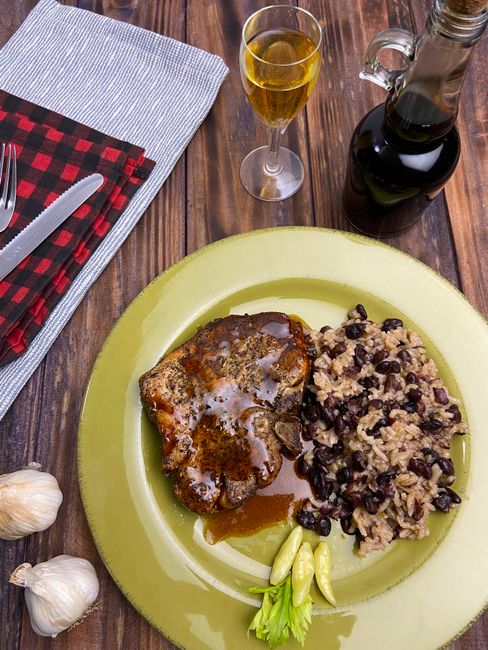
Pork Chops and Dirty Rice: A Culinary Powerhouse
Pork chops, the universally beloved cut from the loin of the pig, and dirty rice, a flavorful and aromatic Southern staple, represent a dynamic duo in home cooking. This article delves deep into the intricacies of preparing, pairing, and perfecting both dishes, offering insights for home cooks seeking to elevate their culinary repertoire. We will explore the different cuts of pork chops, their ideal cooking methods, and the essential elements that contribute to a truly memorable dirty rice. Furthermore, we will discuss ingredient selection, flavor profiles, and strategic seasoning to unlock the full potential of this classic combination.
When considering pork chops, understanding the various cuts is paramount to achieving optimal results. The most common and sought-after cuts include the rib chop, which features a prominent bone and a tender, flavorful meat; the loin chop, also known as the T-bone or porterhouse chop, which includes both the tenderloin and the loin, offering a rich, marbled texture; and the boneless chop, derived from the loin, providing convenience and even cooking. The thickness of the chop significantly impacts cooking time and technique. Thicker chops, generally an inch or more, are ideal for searing and finishing in the oven, allowing for a perfectly cooked interior without overcooking the exterior. Thinner chops, less than an inch, are best suited for quick pan-frying or grilling, demanding close attention to prevent them from drying out. The fat cap on a pork chop is not merely an aesthetic feature; it’s a crucial source of flavor and moisture. Leaving it intact during cooking and rendering it properly results in a juicier, more succulent chop. For those concerned about excessive fat, it can be trimmed before serving, but rendering it during the cooking process is highly recommended.
The cooking methods employed for pork chops directly influence their texture and taste. Pan-searing is a cornerstone technique, achieving a beautiful crust and locking in juices. This involves heating a heavy-bottomed skillet, typically cast iron, over medium-high heat with a high smoke-point oil like canola or grapeseed. Once the pan is hot, the seasoned pork chops are added, fat-side down initially, to render the fat and create that desirable sear. The chops are then flipped and cooked to the desired internal temperature, which is typically between 135°F and 145°F (57°C to 63°C) for medium-rare to medium, followed by a crucial resting period. Oven-finishing is an excellent method for thicker chops, allowing for more even cooking. After searing on the stovetop, the chops are transferred to a preheated oven (around 400°F or 200°C) to finish cooking. Grilling offers a smoky dimension, perfect for outdoor cooking. Direct heat for searing followed by indirect heat for finishing ensures a tender interior and a caramelized exterior. Baking, while a more hands-off approach, can sometimes result in a less desirable texture if not managed carefully, often requiring basting to maintain moisture. Regardless of the method, a meat thermometer is an invaluable tool for achieving perfect doneness. Overcooking is the cardinal sin of pork chop preparation, leading to dry, tough meat.
Dirty rice, a dish deeply rooted in Louisiana Creole and Cajun cuisine, is characterized by its rich, savory flavor and distinctive speckled appearance. The "dirt" in dirty rice comes from the addition of finely chopped offal, most commonly chicken livers or gizzards, which are sautéed with the aromatics. This imparts a deep, earthy flavor and a dark hue to the rice. The foundational aromatic base, known as the "holy trinity" in Cajun and Creole cooking, consists of finely diced onion, bell pepper (typically green), and celery. Sautéed until softened and fragrant, these vegetables form the flavor backbone of the dish. Garlic is another essential component, adding pungency and depth. The rice itself is typically long-grain white rice, though medium-grain can also be used. It’s important to rinse the rice thoroughly before cooking to remove excess starch, which can lead to clumpy rice. The liquid used for cooking the rice is crucial. Chicken broth is the standard, providing a savory foundation, but vegetable broth can be used for a vegetarian option. Some recipes also incorporate a splash of white wine for added complexity. Seasoning is where dirty rice truly shines. Beyond salt and black pepper, cayenne pepper, paprika, dried thyme, and oregano are common additions, creating a warm, slightly spicy, and herbaceous profile. A dash of Worcestershire sauce can also add a layer of umami.
The synergy between pork chops and dirty rice lies in their complementary flavor profiles and textures. The richness and savory notes of well-cooked pork chops, whether pan-seared, grilled, or baked, find an ideal counterpoint in the complex, aromatic, and slightly spicy nature of dirty rice. The tender, juicy pork, with its rendered fat and caramelized crust, provides a satisfying mouthfeel that stands up well to the slightly chewy texture of the rice and the tender morsels of meat or offal within. The inherent sweetness of the pork is balanced by the savory and sometimes peppery elements of the dirty rice. This classic pairing is a testament to the power of balancing bold flavors. The slightly gamey undertones of the chicken livers or gizzards in dirty rice complement the natural flavor of the pork without overpowering it. When preparing both dishes simultaneously, strategic planning is key. While the dirty rice simmers, the pork chops can be seared or grilled. The resting period for the pork chops allows the juices to redistribute, ensuring maximum tenderness, and this downtime can be perfectly utilized for the final stages of dirty rice preparation or plating.
Ingredient quality plays an undeniable role in the success of both pork chops and dirty rice. For pork chops, opting for prime or choice cuts will yield superior marbling and tenderness. Freshness is also paramount; look for pork with a healthy pink hue and no signs of graying. The fat content should be balanced – too little and the chop will be dry, too much and it can be overwhelming. For dirty rice, the quality of the chicken livers or gizzards is important. Fresh offal will have a milder flavor and better texture than frozen or older products. If offal is not preferred, high-quality ground pork or even finely diced chicken thigh can be used as substitutes, though the characteristic "dirtiness" will be slightly altered. Using fresh, vibrant vegetables for the holy trinity is essential for building a robust flavor base. The quality of the rice itself matters; long-grain white rice, like that from the American South, is traditional and offers the best texture. Chicken broth, if store-bought, should be a good quality, low-sodium variety to allow for controlled seasoning.
Seasoning is not merely an afterthought but an integral part of unlocking the full potential of pork chops and dirty rice. For pork chops, a simple yet effective seasoning often involves kosher salt, freshly cracked black pepper, and perhaps a touch of garlic powder or onion powder. For a more herbaceous profile, dried thyme or rosemary can be added. When pan-searing, a rub of paprika and brown sugar can create a beautiful caramelized crust. For dirty rice, the spice blend is more complex. Beyond the salt and pepper, smoked paprika adds a smoky depth, while cayenne pepper provides a gentle kick. Dried thyme and oregano contribute aromatic herbaceousness. A pinch of ground cloves or allspice can add an unexpected yet delightful warmth. For those who enjoy a more intense heat, a pinch of red pepper flakes can be incorporated. It’s crucial to taste and adjust seasoning as you cook, especially in dirty rice, as the flavors develop and meld.
When considering complementary side dishes for this powerhouse pairing, the goal is to enhance, not compete. The richness of the pork and the complex flavors of the dirty rice can be beautifully balanced by lighter, brighter elements. A simple, crisp green salad with a zesty vinaigrette provides a refreshing contrast. Steamed or roasted green beans, perhaps with a hint of lemon or garlic, offer a touch of sweetness and a satisfying crunch. Creamy mashed potatoes, while rich, can work if the dirty rice is not overly heavy; the smooth texture contrasts well with the components of both dishes. For a touch of acidity, a dollop of unsweetened applesauce or a side of pickled red onions can cut through the richness effectively. The key is to select sides that offer a textural and flavor contrast, preventing the meal from becoming too heavy or monotonous.
The presentation of pork chops and dirty rice also contributes to the overall dining experience. For pork chops, allowing them to rest properly before plating is crucial for maintaining juiciness. They can be served whole, showcasing their impressive size and crust, or sliced to reveal the perfectly cooked interior. A drizzle of pan sauce, made from deglazing the skillet with broth or wine, can add an extra layer of flavor and moisture. Dirty rice, with its distinctive speckled appearance, is often served as a generous mound alongside the pork chops. Garnish with fresh chopped parsley or chives can add a pop of color and a fresh, herbaceous note. Some may opt for a sprinkle of crumbled crispy bacon over the dirty rice for added texture and smoky flavor. The visual appeal of this hearty meal should convey its satisfying and comforting nature.
In conclusion, the combination of pork chops and dirty rice is more than just a meal; it’s a culinary experience that celebrates bold flavors, satisfying textures, and the art of well-executed cooking. Understanding the nuances of pork chop cuts, cooking methods, and the foundational elements of dirty rice – from the holy trinity to its signature spice blend – empowers home cooks to create a truly memorable dish. By focusing on ingredient quality, strategic seasoning, and thoughtful presentation, this classic pairing can be elevated to new heights, offering a deeply satisfying and flavorful dining experience. The enduring popularity of pork chops and dirty rice is a testament to their inherent deliciousness and their ability to bring comfort and joy to the table.
