
President Joko Widodo Strengthens Ties In Papua Through Infrastructure Pledges And Cultural Engagement In Wamena
President Joko Widodo’s Strategic Push: Strengthening Papua’s Ties Through Infrastructure and Cultural Diplomacy in Wamena
President Joko Widodo’s administration has embarked on a multifaceted strategy to solidify national integration and foster economic development in Papua, with a particular focus on initiatives in Wamena. This approach prioritizes tangible infrastructure improvements coupled with a deliberate effort to engage with indigenous Papuan communities through cultural understanding and empowerment. The overarching objective is to address historical grievances, bridge the development gap, and counter narratives of separatism by demonstrating a genuine commitment to the region’s well-being and its people’s aspirations. This comprehensive strategy, encompassing substantial infrastructure pledges and robust cultural engagement, aims to create a more inclusive and prosperous Papua, firmly anchored within the Indonesian archipelago.
The cornerstone of President Widodo’s strategy in Papua, and specifically in Wamena, lies in a robust infrastructure development agenda. Recognizing that geographical isolation and inadequate connectivity have historically hampered economic growth and social progress, the government has channeled significant resources into improving transportation networks, public facilities, and essential services. In Wamena, a key highland hub, this has translated into concrete projects designed to enhance accessibility and stimulate local economies. These include ambitious plans for road construction and upgrades, aiming to connect previously remote villages to the central markets and administrative centers. The construction of inter-district roads and the improvement of existing arterial routes are crucial for facilitating the movement of goods, services, and people, thereby reducing logistical costs and increasing market access for local agricultural produce, a vital sector for the Wamena region. Beyond roads, investment has also flowed into improving air connectivity, recognizing the critical role of air transport in a mountainous terrain. Expansion and modernization of Wamena’s airport, including upgrades to runway facilities and air traffic control systems, are designed to increase flight capacity, reduce travel times, and make the region more attractive for tourism and business investment. This focus on improving physical infrastructure is not merely about building roads and airports; it’s about fostering economic opportunity, creating jobs, and ultimately improving the quality of life for the people of Wamena and surrounding areas.
Furthermore, President Widodo’s infrastructure pledges extend to essential social amenities. The government has committed to enhancing access to clean water and sanitation in Wamena and its surrounding communities. This involves the construction and rehabilitation of water treatment facilities and distribution networks, addressing a fundamental public health concern. Similarly, investments have been made in improving healthcare infrastructure, including the upgrading of local clinics and hospitals, ensuring better access to medical services for the Papuan population. Educational infrastructure has also been a key focus, with pledges to build and renovate schools, provide educational materials, and improve teacher training programs. The aim is to equip the younger generation with the skills and knowledge necessary to participate fully in the nation’s development and to contribute to their own communities. This holistic approach to infrastructure development underscores the administration’s commitment to addressing the multifaceted challenges faced by Papua, moving beyond symbolic gestures to implement tangible improvements that have a direct and positive impact on the lives of its citizens.
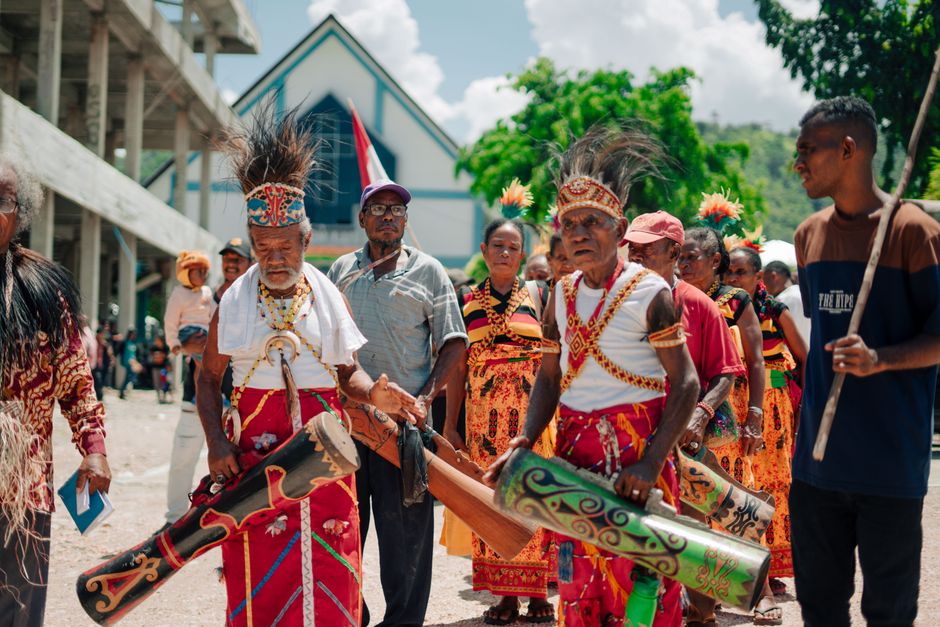
However, President Widodo’s approach to strengthening ties in Papua is not solely reliant on physical infrastructure. A parallel and equally critical component is the emphasis on cultural engagement and empowerment. Recognizing that Papua’s rich cultural tapestry is central to its identity and that past policies have often overlooked or undermined indigenous traditions, the administration has made a concerted effort to foster dialogue, respect, and inclusivity. In Wamena, this has manifested through various initiatives aimed at understanding and celebrating the unique cultural heritage of the Dani people and other indigenous groups. This includes support for traditional cultural events, festivals, and community gatherings, providing platforms for the preservation and promotion of their customs, languages, and arts. By actively engaging with traditional leaders, elders, and community representatives, the government seeks to build trust and ensure that development initiatives are culturally sensitive and aligned with local values. This participatory approach is crucial for fostering a sense of ownership and agency among the Papuan people, moving away from a top-down model of governance towards one that respects and values indigenous knowledge systems.
A significant aspect of this cultural engagement involves the empowerment of local communities through economic opportunities that are rooted in their cultural context. This could include supporting the development of cultural tourism initiatives, where visitors can experience Papuan traditions firsthand, creating sustainable income streams for local communities while also promoting cultural understanding. Furthermore, there’s an emphasis on supporting local handicrafts and artisanal products, providing market access and fair pricing for goods produced by Papuan artisans. This not only contributes to economic upliftment but also serves as a means of cultural preservation, as these crafts are often imbued with deep cultural significance and traditional techniques. The government’s commitment to recognizing and protecting customary land rights and natural resources also plays a vital role in empowering indigenous communities and ensuring their equitable participation in development processes.
The strategic shift in President Widodo’s policy towards Papua, particularly evident in Wamena, reflects a nuanced understanding of the complexities of national integration. It moves beyond a purely security-centric approach to one that prioritizes human development, economic empowerment, and genuine cultural dialogue. This is a significant departure from previous administrations that often relied heavily on military presence and top-down development models, which sometimes exacerbated grievances and alienation. The emphasis on infrastructure is designed to dismantle physical barriers and foster economic interdependence, while the focus on cultural engagement aims to dismantle psychological barriers and foster a sense of belonging and shared national identity. This dual-pronged strategy is crucial for building lasting peace and stability in a region that has experienced decades of complex challenges.
The selection of Wamena as a focal point for these intensified efforts is strategically significant. As a major highland center, it holds considerable symbolic and practical importance. Its strategic location in the central highlands makes it a critical nexus for connecting remote communities and facilitating economic activity. By investing heavily in Wamena, the government aims to create a ripple effect, extending development benefits and fostering a positive model of integration that can influence surrounding areas. The success of these initiatives in Wamena, therefore, has the potential to significantly shape the broader narrative of Indonesia-Papua relations.
The pledges made by President Widodo are not merely pronouncements; they are backed by substantial budgetary allocations and the establishment of dedicated task forces to oversee their implementation. This commitment to follow-through is crucial for building credibility and demonstrating a long-term vision for Papua. The involvement of local stakeholders in the planning and execution phases of these projects is also being emphasized, ensuring that the initiatives are responsive to the actual needs and priorities of the Papuan people. This participatory approach is essential for avoiding the pitfalls of previous development projects that were often imposed without adequate local consultation, leading to inefficiencies and a lack of community buy-in.
Moreover, the cultural engagement aspect is being supported by efforts to increase the representation of Papuans in government institutions and to ensure that cultural perspectives are integrated into policy-making processes. This includes initiatives to promote dialogue between the central government and Papuan leaders, as well as efforts to address historical injustices and to promote reconciliation. The establishment of special autonomy funds and their effective utilization for the benefit of the Papuan people are also critical components of this strategy, ensuring that resources are directed towards addressing local needs and priorities.
In conclusion, President Joko Widodo’s strategy in strengthening ties in Papua, with a significant focus on Wamena, represents a comprehensive and integrated approach that combines tangible infrastructure development with deep cultural engagement. By investing in roads, airports, and essential services while simultaneously respecting and empowering indigenous cultures, the administration is working to bridge the development gap, foster economic opportunity, and build a stronger sense of national unity. The success of these endeavors in Wamena will serve as a critical indicator of the broader progress towards a more inclusive, prosperous, and united Papua, firmly integrated within the Indonesian nation. This strategic commitment signifies a move towards a more nuanced and people-centric approach, aiming to create lasting positive change in a region of immense cultural and strategic importance.
