Ruben Onsu Prepares Child Custody Lawsuit Against Sarwendah Citing Unconducive Environment and Allegations of Abuse


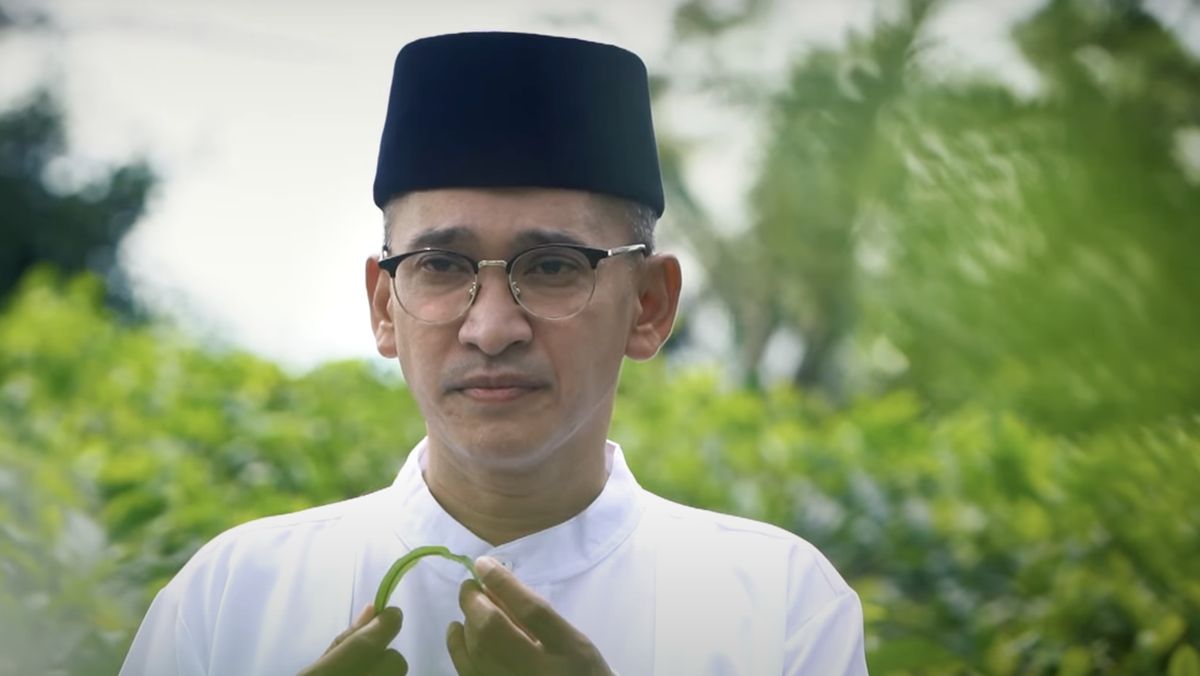
Jakarta, CNN Indonesia – Prominent Indonesian celebrity Ruben Onsu has taken decisive steps to initiate legal proceedings for full child custody, more than a year after his official divorce from Sarwendah. The move comes as Onsu’s legal team asserts that the current environment surrounding their children has become detrimental to their well-being and future development. Minola Sebayang, Onsu’s legal counsel, confirmed the preparations, revealing that the decision was heavily influenced by recent revelations, including social media posts by their adopted son, Betrand Peto, detailing alleged mistreatment and provocative actions within his current living situation.
The announcement, made on Tuesday, June 16, 2026, marks a significant escalation in the post-divorce relationship between the two public figures. Onsu’s legal team highlighted concerns about an environment characterized by “unpleasant treatment,” “provocation,” and even “verbal abuse,” which they believe are profoundly impacting the children. Sebayang specifically pointed to Betrand Peto’s (affectionately known as Onyo) online statements, suggesting they contained “characters that are portrayed there which, in my opinion, are not safe for children.” He further elaborated on the gravity of the situation, stating, “Especially when there is incitement, there is provocation, there are acts of violence, there is verbal abuse.” These assertions suggest a deeply troubled household dynamic that Onsu believes necessitates his immediate intervention through legal channels.
Background of a High-Profile Marriage and Divorce
Ruben Onsu and Sarwendah, both established figures in the Indonesian entertainment industry, were once celebrated as a power couple. Their marriage, solemnized in 2013, was widely covered by the media, often portraying an image of domestic bliss and family values. They share two biological daughters, Thalia Putri Onsu and Thania Putri Onsu, and adopted Betrand Peto in 2019, bringing him into their family and public life with much fanfare. Betrand, a talented singer from Nusa Tenggara Timur, quickly gained popularity under their guardianship, often appearing in family vlogs and public events. The family’s MOP Channel on YouTube was a significant platform for showcasing their daily lives, further cementing their image as a close-knit unit.
However, cracks in their seemingly perfect façade began to emerge in the public eye. Reports of marital discord eventually culminated in their separation, leading to a formal divorce filing. The divorce proceedings concluded in September 2024 with a verstek ruling by the South Jakarta District Court. A verstek judgment in Indonesian law signifies a default judgment issued when the defendant (in this case, Sarwendah) fails to appear in court after being duly summoned. This outcome, while legally binding, often suggests a lack of direct engagement from one party in the judicial process, leaving many aspects of the divorce, particularly regarding shared parental responsibilities and child arrangements, open to future contention. At the time of the divorce, the court did not issue specific rulings on child custody, leaving the children’s primary residence with Sarwendah, an arrangement that Ruben Onsu now seeks to challenge.
Allegations Fueling the Custody Battle
The core of Ruben Onsu’s new legal offensive lies in the alleged deterioration of the children’s living conditions. Minola Sebayang articulated that Onsu detected a situation no longer conducive to the children’s growth and future, specifically after observing Betrand Peto’s social media content. While the exact details of Onyo’s posts have not been fully disclosed by the legal team, the descriptions provided by Sebayang paint a grim picture:
- Non-conducive Environment: A general sense that the home environment is no longer stable or healthy for the children.
- Unpleasant Treatment and Provocation: Direct allegations of actions against Betrand Peto that caused him distress.
- Verbal Abuse and Violence: Strong claims of psychological and potentially physical harm, described by the legal counsel.
- Systematic Incitement: A particularly concerning accusation suggesting organized efforts by unspecified parties to alienate the children from their biological father. This implies a deliberate attempt to undermine Ruben Onsu’s relationship with his children, raising questions about manipulation and psychological pressure.
Furthermore, Sebayang highlighted a suspicion that there might be efforts to conceal the true state of affairs within Sarwendah’s home from Onsu. He suggested a fear that if the children, particularly Betrand Peto, were to spend more time with their father, they might openly recount the "entire bad incident" they experienced while living with Sarwendah during the separation and post-divorce period. This implies that the children may be holding back information or are being prevented from speaking freely about their experiences, adding a layer of urgency to Onsu’s legal actions. "Perhaps there are several things that are feared, one of which is when Onyo meets his father, Onyo tells what he experienced when he was still living in S’s house during the divorce," Minola stated, underscoring the perceived need for the children to be in an environment where they feel safe to express themselves.
The Legal Process and Upcoming Steps
Following these revelations and the detailed account from his legal team, Ruben Onsu has reportedly given a full mandate to proceed with the custody lawsuit without further deliberation. "Now there is no need for consideration, Ruben has asked us to start preparing the lawsuit," Minola confirmed, indicating the seriousness and immediacy of Onsu’s intent. The legal team is currently in the process of compiling all necessary supporting documents and written evidence. Crucially, this includes direct statements from Betrand Peto, which are expected to form a central part of the evidence presented to the court.
Once all documentation is complete and verified, the official lawsuit will be filed with the court. Minola Sebayang indicated that this could happen swiftly. "Yes, that means, if it’s finished, we will register it. If it’s finished next week, we will register it next week," he stated, signaling the imminent progression of the case. The legal team is working diligently to ensure that the petition is comprehensive and robust, laying a strong foundation for Onsu’s claim for full custody.
In Indonesia, child custody cases, particularly those involving allegations of an unsafe environment or abuse, are primarily guided by the principle of the "best interests of the child." The courts evaluate various factors, including the child’s physical and emotional well-being, their educational needs, the capacity of each parent to provide a stable and nurturing environment, and, if the child is old enough, their own expressed preferences. The burden of proof typically lies with the party seeking to change the existing custody arrangement, requiring substantial evidence to demonstrate that the current situation is indeed detrimental and that the proposed change would be more beneficial for the child.
Inferred Reactions and Broader Implications
As of the publication of this report, Sarwendah or her legal representatives have not issued a public statement directly addressing Ruben Onsu’s impending custody lawsuit or the allegations made by his legal team. It is customary for legal counsel to advise clients against commenting on ongoing or impending legal matters, especially when sensitive issues like child welfare are involved. However, a response from Sarwendah’s camp is widely anticipated once the official lawsuit is filed and they have had an opportunity to review the formal legal petition and its accompanying evidence. Any counter-arguments or refutations would likely be presented through official court channels.
The involvement of Betrand Peto’s social media posts as a catalyst for this legal action highlights the increasing role of digital platforms in high-profile disputes. While social media can provide insights into personal experiences, its content can also be open to interpretation and potentially used as evidence, raising complex questions about privacy, digital footprints, and their legal ramifications. For Betrand Peto, who has grown up under intense public scrutiny, this new development further thrusts him into the spotlight, albeit in a challenging and potentially emotionally taxing manner.
This custody battle is poised to have significant implications not only for the Onsu-Sarwendah family but also for the broader landscape of celebrity divorces and child protection in Indonesia. The case will likely draw considerable public and media attention, given the high profiles of both parties. It could set precedents for how Indonesian courts handle allegations of emotional and verbal abuse in custody disputes, especially when social media evidence is presented. Legal experts suggest that such cases require meticulous investigation, often involving child psychologists and social welfare agencies, to ensure that the court’s decision genuinely prioritizes the children’s long-term welfare. The psychological toll on children caught in the middle of a public and contentious custody battle can be profound, regardless of the eventual legal outcome. The legal system, therefore, faces the delicate task of balancing parental rights with the paramount need to safeguard the emotional and developmental health of the minors involved.
The dispute also underscores the challenges faced by celebrity families in maintaining privacy and managing personal conflicts under the glare of public scrutiny. Every step, every statement, and every court filing will be scrutinized, adding immense pressure on all parties involved. The outcome of this case will undoubtedly be closely watched, offering insights into the evolving interpretations of child custody laws in the context of modern family dynamics and the pervasive influence of digital media.