
Shortcake Biscuits With Bisquick
The Ultimate Guide to Bisquick Shortcake Biscuits: Fluffy, Buttery, and Effortlessly Delicious
Making perfect shortcake biscuits from scratch is a culinary aspiration for many, but the reality can sometimes be a daunting prospect involving precise measurements, specific flour types, and careful handling. This is precisely where Bisquick, the iconic baking mix, shines. Bisquick shortcake biscuits offer a streamlined path to achieving those coveted tender, flaky layers and rich, buttery flavor without the fuss. Their simplicity makes them an ideal choice for both novice bakers and seasoned pros seeking a consistently delicious outcome. This comprehensive guide will delve into the science behind why Bisquick works so well for shortcake biscuits, explore variations and enhancements, offer troubleshooting tips, and ultimately, empower you to create bakery-worthy shortcakes in your own kitchen with minimal effort. Understanding the fundamental role of Bisquick in this recipe is key. Baking mixes like Bisquick are meticulously formulated to provide the correct balance of flour, leavening agents (baking powder and baking soda), salt, and fat (often hydrogenated vegetable oil or shortening). This pre-measured and blended combination eliminates the need for individual ingredient sourcing and mixing, significantly reducing preparation time and the margin for error. For shortcakes, the fat component within Bisquick is particularly crucial. It coats the flour particles, inhibiting gluten development, which is essential for creating a tender crumb and flaky texture, the hallmarks of a good shortcake. When combined with cold butter or shortening, the fat in Bisquick creates tiny pockets that melt during baking, producing steam and resulting in those desirable airy layers.
The foundational recipe for Bisquick shortcake biscuits is remarkably straightforward, typically involving just Bisquick mix, milk, and melted butter or oil. The ratio of these ingredients is carefully calibrated within the Bisquick itself. Milk, acting as the liquid, hydrates the flour, activates the leavening agents, and contributes to the overall moisture and tenderness of the biscuit. Melted butter or oil not only adds richness and flavor but also further contributes to the tenderness by coating flour particles. The process itself emphasizes minimal mixing. Overmixing develops gluten, leading to tough biscuits, a common pitfall when working with traditional biscuit recipes. With Bisquick, the pre-portioned fat and leavening already in the mix means you only need to combine the ingredients until just moistened. This gentle handling is paramount to achieving a light and airy texture. The resulting biscuits possess a slightly crumbly yet tender interior and a subtly golden crust. Their mild flavor profile serves as the perfect canvas for the vibrant sweetness of fresh berries and the lusciousness of whipped cream, the classic accompaniments that define strawberry shortcake. This inherent versatility makes Bisquick shortcake biscuits a beloved staple for celebrations and casual desserts alike.
To elevate your Bisquick shortcake biscuit game, consider a few simple but impactful enhancements. Incorporating cold, cubed butter into the Bisquick mix before adding the liquid is a time-honored technique that significantly boosts flakiness. As the butter melts in the oven, it creates steam pockets that separate the dough into distinct layers, a characteristic of superior shortcakes. Aim for pea-sized pieces of butter remaining in the mixture after cutting it in; this visual cue indicates you’ve achieved the right texture for optimal layering. Another beneficial addition is a tablespoon or two of granulated sugar directly into the dry Bisquick mixture. While not strictly necessary for a savory biscuit, a touch of sweetness enhances the overall flavor profile of a shortcake biscuit, complementing the fruit and cream without overpowering them. For an even richer and more tender crumb, consider substituting half of the milk with heavy cream or buttermilk. Cream contributes additional fat, leading to an exceptionally moist and tender biscuit, while buttermilk’s acidity reacts with the baking soda in Bisquick, promoting a better rise and a slightly tangy flavor that can beautifully balance sweet toppings. For a subtle aromatic dimension, a pinch of lemon or orange zest can be incorporated into the dry ingredients. This citrusy note pairs exceptionally well with berries and adds a sophisticated layer of flavor to the otherwise simple biscuit. Experimentation with these additions allows for a personalized shortcake experience, catering to individual taste preferences.
The technique of handling the dough is as critical as the ingredients themselves. When making Bisquick shortcake biscuits, the mantra is "gentle and minimal." Overworking the dough is the most common culprit behind tough, dense biscuits. After combining the Bisquick and liquid ingredients until just moistened, turn the dough out onto a lightly floured surface. Pat or gently roll the dough to about ½-inch to ¾-inch thickness. Avoid excessive kneading. For the cleanest cuts and best rise, use a biscuit cutter or the rim of a glass. Press straight down without twisting, as twisting can seal the edges, preventing the biscuits from rising evenly. If you don’t have a biscuit cutter, a sharp knife can be used to cut squares, but be mindful of the same gentle handling. For an extra touch of indulgence, brush the tops of the biscuits with melted butter before baking. This not only imparts a beautiful golden-brown sheen but also adds another layer of richness to the finished product. Baking temperature and time are also crucial for achieving perfect Bisquick shortcake biscuits. Typically, they bake at a relatively high temperature, around 400-425°F (200-220°C). This high heat encourages rapid leavening, resulting in a light and airy texture. Baking time usually ranges from 10 to 15 minutes, or until the biscuits are golden brown and cooked through. It’s essential to monitor them closely as oven temperatures can vary.
Troubleshooting common issues is an integral part of mastering any recipe, and Bisquick shortcake biscuits are no exception. The most frequent complaint is tough or dense biscuits. This almost invariably stems from overmixing or overworking the dough. Remember to mix only until the ingredients are just combined. If your biscuits are dry and crumbly, it usually indicates too much flour or not enough liquid. Bisquick can absorb moisture differently depending on humidity, so it’s sometimes necessary to add a splash more milk if the dough seems excessively dry. Conversely, if your biscuits spread excessively and don’t rise well, you might have added too much liquid, or perhaps your baking powder has lost its potency. Ensure your Bisquick is fresh; check the expiration date. Another issue can be uneven baking or a pale top. This can be mitigated by ensuring your oven is properly preheated and by rotating the baking sheet halfway through the baking time. If your biscuits are sticking to the pan, either grease your baking sheet thoroughly with butter or shortening, or line it with parchment paper. For a consistently perfect bake, consider using a cast-iron skillet for baking, which distributes heat evenly and can result in a wonderfully crisp bottom crust.
Beyond the classic strawberry shortcake, Bisquick shortcake biscuits offer a versatile foundation for a multitude of sweet and savory applications. For a delightful twist on the traditional, consider using them as the base for peach, blueberry, or mixed berry shortcakes. The warm, tender biscuit provides a perfect contrast to the tartness of cooked fruit. A drizzle of fruit syrup or a sprinkle of powdered sugar can further enhance their appeal. For a more decadent dessert, layer the biscuits with a rich chocolate ganache and fresh raspberries. For a savory departure, these biscuits can be served alongside stews, chilis, or as a base for chicken pot pie. Their slightly buttery flavor and tender texture make them an excellent accompaniment to hearty main courses. You can also transform them into savory scones by incorporating ingredients like shredded cheese, chives, or a touch of smoked paprika into the dry mix. The possibilities are truly endless, making Bisquick shortcake biscuits a pantry staple for any home cook looking for a reliable and adaptable baking solution. Their ability to transition seamlessly from sweet dessert to savory side dish underscores their remarkable versatility.
The history of Bisquick itself is intertwined with the evolution of convenient baking in America. Introduced by General Mills in 1931, Bisquick was one of the first pre-mixed baking products to hit the market. Its innovation lay in its ability to simplify baking, making it accessible to a wider audience. The original formulation was designed to emulate the results of scratch baking with minimal effort. This mission continues today, and Bisquick shortcake biscuits are a testament to its enduring success. The simplicity of the recipe, combined with the predictable results, has cemented its place in kitchens across generations. The iconic yellow box is a symbol of convenience and reliability for many home bakers. Its consistent quality ensures that even those with limited baking experience can achieve satisfying results, a key factor in its longevity and widespread popularity. The shortcake biscuit recipe, in particular, highlights how a well-formulated mix can simplify a traditionally more involved baking process, delivering excellent results with fewer steps.
To ensure the best possible outcome, always start with fresh Bisquick. Older boxes may have lost some of their leavening power, resulting in flatter, less tender biscuits. Store your Bisquick in an airtight container in a cool, dry place to maintain its freshness. When measuring the Bisquick, resist the urge to scoop directly from the box with your measuring cup, as this can compact the mix, leading to an inaccurate measurement. Instead, lightly spoon the Bisquick into your measuring cup and level it off with a straight edge. This ensures you’re using the correct amount for optimal results. Using cold milk, cream, or buttermilk is also important, especially if you are incorporating additional cold butter. Cold liquids help to keep the fat solid, which is crucial for creating flaky layers. Over-manipulating the dough is the single most important factor to avoid. As soon as the ingredients come together to form a shaggy dough, stop mixing. The gluten will develop enough during baking to provide structure, but excessive handling will make your biscuits tough. For the ultimate flaky layers, consider the "cut and fold" method if you’re feeling adventurous. After gently patting the dough to about ½-inch thickness, fold it over itself a couple of times. This creates additional layers that will separate beautifully during baking.
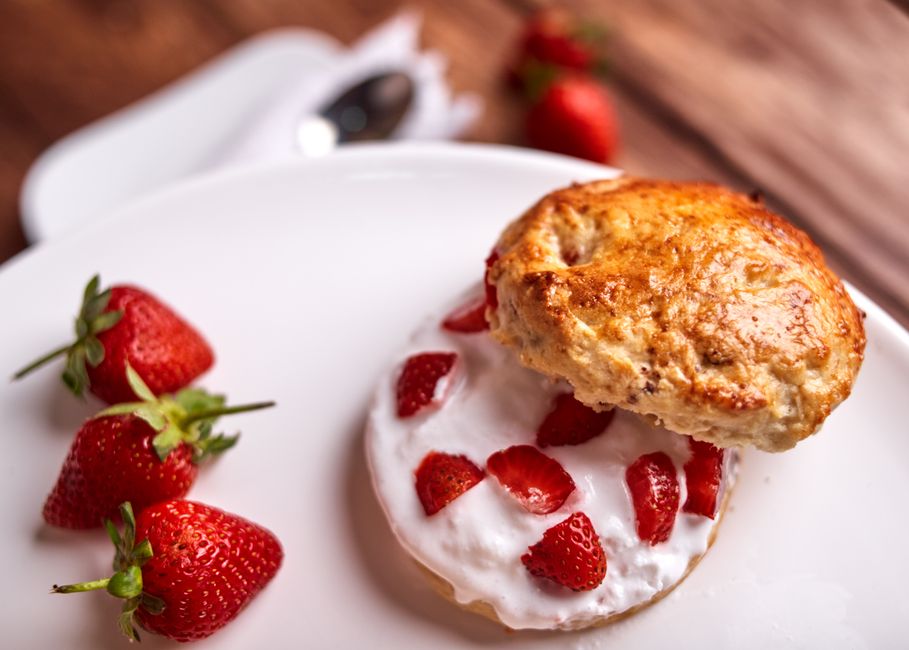
The ideal serving temperature for Bisquick shortcake biscuits is warm, fresh from the oven. This is when their texture is at its most tender and their buttery aroma is most pronounced. Serve them split horizontally and generously filled with macerated strawberries (strawberries lightly sweetened and allowed to sit for a short time to release their juices) and a dollop of freshly whipped cream. The contrast between the warm, soft biscuit, the slightly tart, juicy berries, and the cool, airy cream is a culinary delight. For an extra touch of elegance, a dusting of powdered sugar over the top adds a visual appeal and a subtle sweetness. If serving them as a savory accompaniment, they are best served warm alongside their intended dish, providing a comforting and satisfying element to the meal. The slightly dense but tender texture holds up well to sauces and gravies, making them a perfect vehicle for sopping up any delicious remnants. Their neutral, yet slightly buttery, flavor profile ensures they complement a wide range of savory dishes without competing.
In conclusion, Bisquick shortcake biscuits represent a triumph of convenience without compromise. They offer a foolproof method for achieving a delicious, tender, and flaky shortcake that rivals homemade versions, often with significantly less effort. By understanding the role of the baking mix, employing gentle handling techniques, and considering simple enhancements, you can consistently produce exceptional shortcakes that are perfect for any occasion. Whether you’re celebrating a special event or simply craving a comforting dessert, Bisquick shortcake biscuits are a reliable and rewarding choice that will undoubtedly impress. Their adaptability, ease of preparation, and consistently delicious results make them a valuable addition to any baker’s repertoire, proving that with the right shortcuts, homemade goodness is always within reach. The enduring popularity of Bisquick shortcake biscuits is a testament to their ability to deliver on the promise of simple, delicious baking.
