Jogja Financial Festival 2026 Draws Nearly 10,000 Attendees, Highlighting Youth Engagement in Financial Literacy


The Jogja Financial Festival (JFF) 2026, held at the Jogja Expo Center (JEC) in Bantul, DI Yogyakarta, has concluded its successful two-day run, attracting an impressive nearly 10,000 visitors eager to deepen their understanding and management of personal finance. The event, which ran until Saturday, May 23rd, demonstrated a significant surge in public interest and operational efficiency, particularly on its second day.
Latif Harnoko, the JFF 2026 Organizing Committee Chairman, observed a marked increase in attendee enthusiasm and a smoother operational flow compared to the festival’s opening day. This heightened engagement was evident from the early morning, with a consistent and dense flow of visitors observed at the entrance and exit points throughout the day.
"By 3:00 PM on Saturday, our entry and exit data had already registered 9,500 attendees," Harnoko stated at JEC, as quoted by Detik. "The public’s interest is growing. We saw a substantial number of university students and high school pupils attending, staying from morning until evening. This truly reflects the extraordinary interest the younger generation has in financial literacy." This observation underscores a growing trend of young Indonesians actively seeking knowledge about financial planning and investment.
The JFF 2026, a two-day educational initiative, featured a diverse array of interactive programs designed to cater to a broad audience. These included engaging business talks, in-depth educational classes, and a dedicated career corner, offering opportunities for professional development alongside financial learning. The festival’s comprehensive approach aimed to make financial education accessible and appealing to all participants.
Record Turnout for Educational Sessions
The popularity of the educational sessions was particularly notable. Harnoko recounted instances where sessions led by prominent financial figures experienced overwhelming demand, exceeding the allocated capacity. "I had the opportunity to attend a class led by BRI Director Heri Gunardi and Pak Chairul. The nearly 1,200 seats we prepared were completely filled. Many visitors unfortunately could not enter because the rooms were already at maximum capacity," he added. This overflow indicates a strong demand for expert-led financial guidance and a willingness among attendees to absorb complex financial concepts.
Beyond the core educational content, JFF 2026 was meticulously curated to provide an enjoyable and comfortable experience for all attendees. The festival blended informative sessions with a compelling entertainment lineup, ensuring a dynamic and engaging atmosphere throughout the two days.
Entertainment Lineup: A Blend of Education and Entertainment
The festival’s entertainment programming was designed to appeal to a wide demographic, reflecting the diverse interests of its attendees.
-
Day One: The initial day commenced with a live comedy show featuring cast members from the popular Indonesian show "Lapor Pak!". The evening’s festivities culminated with captivating performances by acclaimed singer Happy Asmara and legendary musician Ari Lasso, setting a vibrant tone for the festival.
-
Day Two: Saturday’s agenda featured a series of insightful panel discussions with esteemed figures from the banking sector, labeled as "The Bankers." This was followed by structured educational classes conducted by expert mentors. A unique segment called "Arisan Financial," hosted by Surya Insomnia, offered a fresh perspective on financial planning. The day’s entertainment continued with a stand-up comedy performance by Kiky Saputri, and the festival officially closed with energetic musical performances by Silet Open Up and Juicy Luicy, leaving attendees with a memorable conclusion to the event.
Background and Context of the Jogja Financial Festival
The Jogja Financial Festival (JFF) is an annual event conceptualized to promote financial literacy and inclusion across Indonesia, with a particular focus on the vibrant and dynamic region of Yogyakarta. Established with the vision of empowering individuals with the knowledge and tools to make sound financial decisions, JFF has grown into a significant platform for dialogue, learning, and networking within the financial sector.
The festival typically brings together a diverse range of stakeholders, including financial institutions, government agencies, educational bodies, financial experts, and the general public. Its core objective is to demystify complex financial concepts, encourage responsible financial behavior, and foster a culture of saving, investing, and prudent debt management. The JFF often incorporates a multi-faceted approach, utilizing workshops, seminars, exhibitions, and interactive sessions to cater to varying levels of financial understanding.
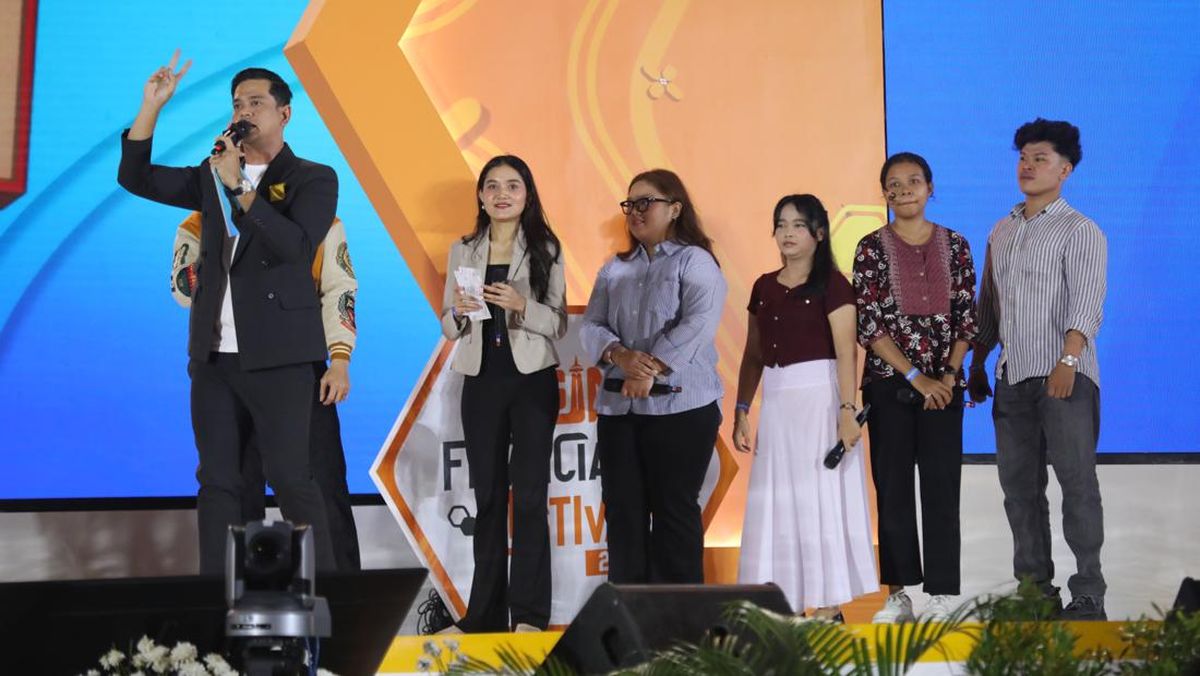
In recent years, Indonesia has seen a concerted effort by both the government and private sector to enhance financial literacy rates. According to data from the Financial Services Authority (OJK), while literacy has improved, there remains a significant portion of the population, particularly in younger demographics and less urbanized areas, that requires more targeted educational interventions. JFF plays a crucial role in bridging this gap, providing a localized and accessible platform for such initiatives. The consistent growth in attendance and engagement at JFF events like the 2026 edition is a testament to the increasing awareness and demand for financial education.
Supporting Data and Trends in Financial Literacy
The heightened interest in financial literacy, as evidenced by the JFF 2026 attendance, aligns with broader national trends. Recent surveys from the OJK have indicated a steady rise in financial literacy levels across Indonesia. For instance, the National Financial Literacy Survey (SKLN) has shown incremental improvements in both financial literacy and inclusion scores over the past decade.
The participation of a significant number of students and young professionals at JFF 2026 is particularly noteworthy. This demographic represents the future workforce and a critical segment for long-term economic stability. Their proactive engagement suggests a growing recognition of the importance of early financial planning, including saving for education, investing in the stock market, understanding insurance, and preparing for retirement.
Furthermore, the demand for specific educational sessions, such as those led by directors from major financial institutions like BRI, highlights a desire for practical, actionable advice from credible sources. This also points to an increasing comfort level with digital financial platforms and investment tools, which are often discussed and demonstrated at such festivals. The event’s success can be partially attributed to its ability to translate complex financial topics into relatable and engaging content, utilizing a mix of expert talks, interactive workshops, and entertainment.
Broader Impact and Implications
The success of the Jogja Financial Festival 2026 has several positive implications for financial inclusion and economic development in the region and beyond.
Firstly, the high attendance underscores the growing public appetite for financial knowledge. This demand can drive further innovation in financial education delivery, encouraging more institutions and platforms to offer accessible and engaging content.
Secondly, the significant involvement of younger demographics is a positive indicator for future financial stability. Empowering young people with financial literacy early on can lead to better financial decision-making throughout their lives, reducing instances of debt traps and increasing their capacity to build wealth. This aligns with national goals of fostering a generation that is financially responsible and capable of contributing to economic growth.
Thirdly, the festival serves as a vital networking platform for financial professionals, educators, and policymakers. These interactions can foster collaboration, leading to the development of more effective financial literacy programs and policies. The event also provides a valuable opportunity for financial institutions to connect with potential customers and understand their evolving needs and concerns.
The JFF 2026’s focus on interactive sessions and engaging entertainment also suggests a successful model for making financial education less intimidating and more appealing. This approach is crucial for reaching segments of the population that might otherwise be disengaged from traditional financial learning methods.
Official Responses and Future Outlook
While specific official statements from government bodies beyond the event organizers are not detailed in the provided text, the implicit endorsement of such events by financial institutions and their participation at the highest levels (e.g., BRI Director) signifies a collective commitment to advancing financial literacy. The consistent organizational success of JFF year after year, with increasing attendance figures, suggests a positive and sustainable trajectory for financial education initiatives in Indonesia.
The JFF 2026’s success is likely to pave the way for even more ambitious and impactful financial literacy campaigns in the future. Organizers may consider expanding the festival’s reach, incorporating more specialized topics, or leveraging technology to create hybrid online-offline experiences that can engage an even wider audience. The positive reception from students and young professionals suggests a strong foundation for continued growth and impact. The festival’s ability to blend education with entertainment is a key factor that can be replicated and enhanced in future editions, ensuring sustained engagement and a lasting positive impact on the financial well-being of the community. The organizers’ commitment to providing a platform for robust financial learning, coupled with engaging cultural and entertainment elements, has clearly struck a chord with the public, setting a high benchmark for future financial festivals.
Related posts: