
Southern Grilled Barbecued Ribs
Southern Grilled Barbecued Ribs: The Ultimate Guide to Smoky, Tender Perfection
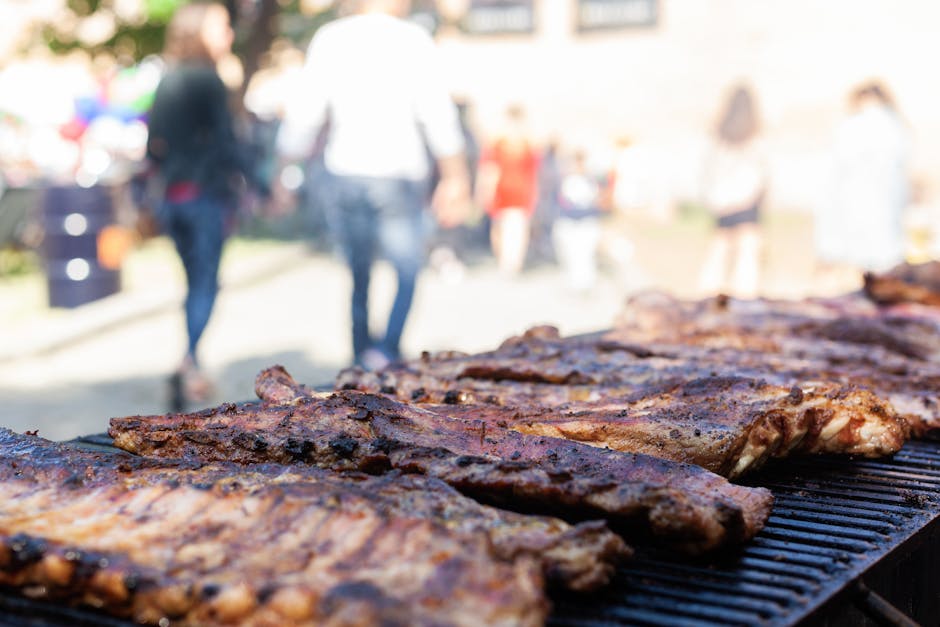
Achieving the quintessential Southern grilled barbecued ribs requires a mastery of low-and-slow cooking, meticulous rub application, and strategic wood smoking. This isn’t about slathering on a sugary sauce and blasting the heat; it’s a patient, deliberate process that transforms humble pork ribs into melt-in-your-mouth masterpieces. The foundation of any great rack of ribs lies in selecting the right cut. Pork spare ribs, with their more pronounced flavor and connective tissue, are a traditional choice for smoking, yielding a rich, unctuous texture. Baby back ribs, while leaner and offering a more tender bite, can also be exceptional with proper preparation. For both, the goal is to break down the tough collagen into gelatin, resulting in that sought-after "fall-off-the-bone" tenderness without sacrificing structural integrity. Trim any excess hard fat from the meat side, leaving a thin layer for moisture retention and flavor. The silverskin, a tough, opaque membrane on the bone side, should be meticulously removed. A simple technique involves sliding a butter knife under a corner of the silverskin, then gripping it with a paper towel and pulling it away. This seemingly small step significantly impacts the final tenderness and mouthfeel of the ribs.
The dry rub is the unsung hero of Southern barbecued ribs, laying the groundwork for deep flavor penetration long before any sauce enters the equation. A classic Southern dry rub is a balanced symphony of savory, sweet, and spicy elements. Paprika, often smoked paprika, forms the base, providing color and a mild smoky foundation. Brown sugar contributes sweetness and aids in caramelization during the smoking process, creating a beautiful bark. Salt is crucial for drawing out moisture and tenderizing the meat. Black pepper adds a pungent kick, while garlic powder and onion powder offer aromatic depth. For a touch of heat, cayenne pepper or chili powder can be incorporated. Some pitmasters also swear by celery seed, mustard powder, or even a hint of espresso powder for added complexity. The key to an effective dry rub is its even application. Generously coat both sides of the ribs, pressing the rub firmly into the meat to ensure maximum adherence. Allow the ribs to sit with the rub for at least 30 minutes at room temperature, or better yet, refrigerate them overnight. This resting period allows the salt to begin its magic, drawing moisture to the surface and reabsorbing the rub, infusing the meat with flavor from within.
Smoking is where the true soul of Southern barbecued ribs is born. The goal is indirect heat, maintaining a consistent temperature between 225°F and 275°F (107°C to 135°C). This low temperature allows the connective tissues to break down gradually, resulting in tender meat, while the smoke imparts its signature flavor. Various types of grills can be used, from classic charcoal kettle grills with an added smoker box to dedicated offset smokers. For charcoal grills, arrange the coals to one side, creating a heat zone. Wood chips or chunks are essential for smoke. Hickory is a quintessential Southern choice, offering a robust, bacon-like flavor. Pecan provides a milder, sweeter smoke, while oak delivers a more neutral, but still impactful, smoky essence. Fruitwoods like apple or cherry can introduce subtle sweetness and a lighter color to the bark. Soak wood chips in water for at least 30 minutes to an hour to prevent them from burning too quickly and producing acrid smoke. Once the grill reaches the target temperature, place the rubbed ribs on the indirect heat side, away from the direct flame. Close the lid to trap the smoke and maintain temperature.
The initial smoking phase, often referred to as the "smoke phase," is critical for flavor development and bark formation. During this period, typically lasting 2 to 3 hours, avoid the temptation to constantly lift the lid. Each time the lid is opened, heat and smoke escape, prolonging the cooking process and diminishing the smoke infusion. Observe the color of the ribs; they should gradually darken, developing a rich mahogany hue. The bark will begin to form, a slightly crisp, flavorful crust that is highly prized in Southern barbecue. Monitor the grill temperature closely and add more coals and wood as needed to maintain the desired heat and smoke. The type and amount of wood used will significantly influence the final flavor profile. Experimentation is encouraged to discover your preferred smoking wood combination. Some pitmasters prefer a blend of woods to achieve a more nuanced smoke. The consistency of the smoke is also important; a clean, thin blue smoke is ideal. Thick, white smoke can impart a bitter, acrid flavor.
The "Texas Crutch" is a controversial but effective technique used by many Southern pitmasters to accelerate tenderness and retain moisture in ribs, particularly during longer cooks. After the initial smoke phase, when the bark has begun to set, the ribs are wrapped tightly in heavy-duty aluminum foil, often with a small amount of liquid like apple cider vinegar, apple juice, or even a splash of butter. This creates a steaming environment that steams the ribs from within, further breaking down collagen and ensuring they remain moist. While some purists argue that this method can soften the bark, for many, the trade-off for increased tenderness and moisture retention is well worth it. The wrapped ribs are returned to the grill over indirect heat for another 1 to 2 hours, depending on the size and thickness of the ribs. The internal temperature should be monitored; at this stage, you’re aiming for tenderness rather than a specific internal temperature, as the steaming process will push the meat towards a very tender state.
The final stage of Southern grilled barbecued ribs involves the sauce application, if desired. While purists often advocate for serving ribs sauceless to fully appreciate the smoky flavor and bark, many Southern traditions embrace a good barbecue sauce. The key is to use the sauce judiciously. Apply it during the last 30-60 minutes of cooking, after unwrapping the ribs from the Texas Crutch, allowing it to caramelize and set on the meat without burning. Classic Southern barbecue sauces range from thin and vinegary Eastern North Carolina style to thicker, sweeter Kansas City style. A vinegar-based sauce offers a bright, tangy counterpoint to the rich pork, while a tomato-based sauce provides sweetness and depth. Ingredients like molasses, Worcestershire sauce, mustard, and a variety of spices contribute to the complexity of these sauces. The goal is to complement, not overpower, the smoky flavor of the ribs. A light brushing of sauce, allowing the bark to remain prominent, is often preferred.
Doneness is arguably the most critical factor in achieving perfect Southern grilled barbecued ribs. Beyond visual cues like color and bark formation, the “bend test” is a widely used indicator. Pick up a rack of ribs by one end and gently bend it. If the ribs flex and start to crack, showing the meat pulling away from the bones, they are likely done. Another indicator is the “probe test.” Insert a toothpick or a thin skewer into the meat between the bones. It should slide in with very little resistance, similar to probing a perfectly cooked steak. The meat should feel yielding and tender when gently squeezed between the bones. The total cooking time will vary significantly based on the cut of ribs, the grill temperature, and whether the Texas Crutch is used, but generally ranges from 4 to 6 hours. Patience is paramount. Rushing the process will result in tough, dry ribs.
Resting is as vital to barbecued ribs as the cooking itself. Once the ribs have reached the desired tenderness, remove them from the grill and let them rest, loosely tented with foil, for at least 15-20 minutes before slicing. This resting period allows the juices within the meat to redistribute, ensuring that each bite is moist and flavorful. Skipping this step will result in juices running out onto the cutting board, leaving the meat drier. Slicing the ribs between the bones into individual portions is the final step before serving. Serve with classic Southern sides such as coleslaw, potato salad, baked beans, or cornbread for a complete and authentic barbecue experience. The dedication to the low-and-slow method, combined with the artful application of rub and smoke, results in a dish that embodies the heart of Southern culinary tradition. Understanding the nuances of each stage, from selecting the right cut to the final resting period, is key to mastering the craft of Southern grilled barbecued ribs.
