Streamlining Indonesian Public Administration: A New Era of Citizen-Centric Services Unfolds

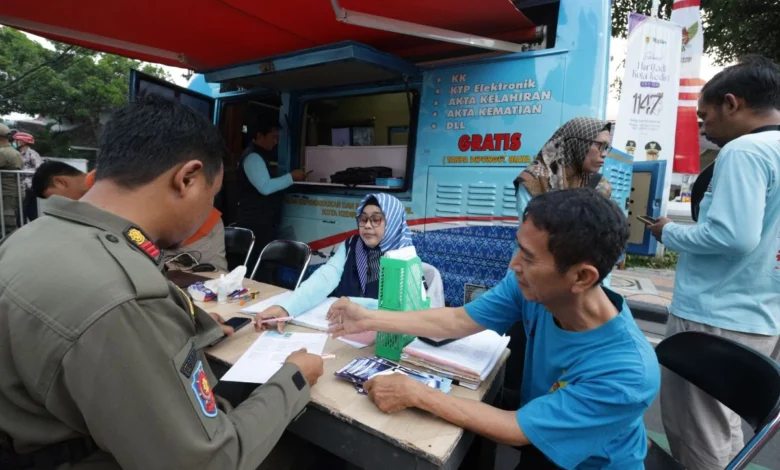
Jakarta, Indonesia – A significant overhaul in Indonesia’s public administration landscape has begun, with the Directorate General of Population and Civil Registration (Dukcapil) under the Ministry of Home Affairs (Kemendagri) announcing that numerous essential population administration services no longer require introductory letters from local neighborhood units (RT/RW) or sub-district offices (kelurahan). This pivotal policy aims to drastically accelerate public service delivery, dismantle bureaucratic hurdles, and enhance the accessibility of critical population documents for all citizens. The move is a cornerstone in the government’s broader agenda to foster a more efficient, transparent, and citizen-friendly bureaucracy, leveraging digital transformation and regulatory simplification to achieve these goals.
Background: The Traditional Bureaucratic Landscape
For decades, the process of obtaining or updating population administration documents in Indonesia was often characterized by multiple layers of bureaucracy, beginning with the mandatory "surat pengantar" or introductory letter. This letter, issued by the RT (Rukun Tetangga – Neighborhood Unit) and then often endorsed by the RW (Rukun Warga – Community Unit) and subsequently the kelurahan (sub-district office), served as a preliminary verification and recommendation before a citizen could even approach the Dinas Kependudukan dan Pencatatan Sipil (Disdukcapil) or the local Population and Civil Registration Office. While intended to maintain local order and data accuracy, this multi-step requirement frequently led to prolonged processing times, increased logistical burdens for citizens—especially those with limited mobility or residing in remote areas—and, in some instances, created opportunities for informal fees or delays. The system, though deeply entrenched, was increasingly seen as an impediment to efficient governance and a barrier to citizens exercising their fundamental rights to identity and civil registration.
The government’s recognition of these inefficiencies began to crystallize into concrete reform efforts over the past several years. Discussions centered on how to simplify processes, reduce unnecessary interactions, and empower citizens to directly access government services. This vision aligns with the broader national agenda of bureaucratic reform (Reformasi Birokrasi) and the push for an Electronic-Based Government System (Sistem Pemerintahan Berbasis Elektronik – SPBE), which seeks to integrate technology into public service delivery to enhance efficiency and transparency. The abolition of the surat pengantar for a wide array of services is a direct outcome of this reformative drive, signaling a fundamental shift from a gatekeeper model to a direct-access service paradigm.
The Policy Shift: De-bureaucratization and Direct Access
The Directorate General of Population and Civil Registration has explicitly clarified that the majority of population administration document processes no longer necessitate the cumbersome RT/RW introductory letters. This simplification is rooted in the principle that once a citizen’s data is recorded within the national population database, subsequent transactions should be as direct and efficient as possible. The primary objective is to eliminate redundant steps that do not add substantive value to the verification process, particularly when the core data is already digitally stored and accessible by Dukcapil.
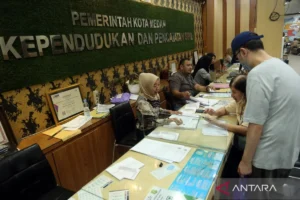
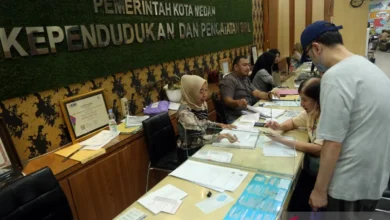
The Ministry of Home Affairs emphasizes that this policy is a critical step towards improving the quality of public service administration. By removing the initial layer of local administrative approval, citizens are now encouraged and enabled to directly engage with Disdukcapil offices, either in person or, increasingly, through digital platforms provided by local governments. This direct engagement is expected to significantly reduce processing times, minimize opportunities for procedural bottlenecks, and foster a more accountable and transparent administrative environment.
Key Documents Affected by the New Policy:
The policy encompasses a broad spectrum of vital documents, ensuring that most common administrative needs are covered under the simplified framework. These include:
-
Electronic National Identity Card (KTP-el): The KTP-el is the cornerstone of personal identification in Indonesia, essential for virtually all legal and financial transactions. Under the new policy, citizens undergoing initial recording (perekaman) or data changes for their KTP-el are no longer required to present an RT/RW introductory letter. Instead, applicants can directly visit their local Disdukcapil office, bringing only the specific supporting documents relevant to their service request, such as their Family Card (KK) or proof of data changes. This streamlines the process of obtaining or updating this fundamental identity document, crucial for civic participation and economic activity. The previous requirement often added weeks to the KTP-el application process, particularly in densely populated urban areas where RT/RW officials might be difficult to reach.
-
Family Card (Kartu Keluarga – KK): The KK serves as a crucial document detailing family relationships and household composition, vital for accessing social services, education, and healthcare. Changes to or issuance of a new KK, such as updating family member data, adding new members (e.g., newborns), or correcting specific data elements, can now be directly processed at Disdukcapil. This eliminates the need for an introductory letter from the local residential environment, making it easier for families to keep their official records accurate and up-to-date, which is critical for government planning and service delivery. The simplification here is particularly impactful for dynamic urban populations experiencing frequent changes in household composition.
-
Statement of Domicile Transfer (Surat Keterangan Pindah Domisili): Facilitating population mobility is another key aspect of this reform. The process for transferring residence no longer requires introductory letters from RT/RW or kelurahan. Citizens merely need to submit their application to Disdukcapil, presenting required documents like their KK and completing the population transfer registration form. This specific simplification is a direct outcome of regulatory updates, notably Peraturan Presiden Nomor 96 Tahun 2018 (Presidential Regulation No. 96 of 2018) concerning Population Administration Services and Peraturan Menteri Dalam Negeri Nomor 108 Tahun 2019 (Minister of Home Affairs Regulation No. 108 of 2019) regarding the Procedures for Population Administration Services. These regulations form the legal bedrock for the de-bureaucratization of domicile transfers, ensuring smoother transitions for individuals and families relocating within the country. This significantly reduces the administrative burden on internal migrants, fostering greater economic and social mobility.
-
Birth Certificate (Akta Kelahiran): The issuance of birth certificates for newborns and the general registration of births can now be directly handled through Dukcapil services. Supporting documents such as a birth statement from a healthcare facility, the Family Card (KK), and parents’ identification documents remain necessary. However, the RT/RW introductory letter is no longer a primary requirement for citizens whose data is already integrated into the population administration system. This facilitates timely birth registration, ensuring children’s rights are recognized from birth, including access to education and healthcare. Historically, delays in obtaining birth certificates due to bureaucratic hurdles could lead to issues later in life for individuals.
-
Death Certificate (Akta Kematian): Similar to birth certificates, the process of obtaining a death certificate has also been streamlined. This civil registration service can be directly processed through Disdukcapil by submitting the necessary supporting documents as per existing regulations. The elimination of the introductory letter for this sensitive process aims to reduce the burden on grieving families, allowing them to complete essential administrative tasks more quickly and respectfully. Accurate and timely death registration is also crucial for demographic data collection and public health monitoring.
-
Child Identity Card (Kartu Identitas Anak – KIA): The KIA, designed to provide official identity for children under 17 who are not yet eligible for a KTP-el, is another service benefiting from the simplified approach. Applications for KIA can now be submitted directly to Disdukcapil with family documents, bypassing the need for an RT/RW introductory letter, provided the child’s population data is already recorded. This ensures that children have a recognized form of identification earlier, which can be useful for various purposes, including school enrollment and accessing public services.
Regulatory Framework and Chronology of Reforms:
The move to simplify population administration services is not an isolated event but a culmination of a broader legislative and policy agenda. The aforementioned Presidential Regulation No. 96 of 2018 and Minister of Home Affairs Regulation No. 108 of 2019 were instrumental in laying the groundwork for these changes. These regulations were enacted with the explicit mandate to modernize population administration, improve service quality, and leverage digital technologies. The 2018 Presidential Regulation, in particular, emphasized the principle of non-discriminatory service, ease of access, and efficiency. The 2019 Ministerial Regulation then provided the detailed technical procedures, which included the directive to reduce or eliminate unnecessary bureaucratic steps like the surat pengantar where data verification could be performed through the centralized population database.
Prior to these regulations, Dukcapil had already been working on digitizing its databases and connecting them across various government agencies. This foundational work, spanning over a decade, has been critical in making the current simplification possible. Without a robust and integrated national population database (Data Kependudukan Nasional), the elimination of local verification steps would be difficult to implement securely. The chronology of reform thus includes initial investments in data infrastructure, followed by legislative changes, and now, the practical implementation of streamlined procedures.
Official Responses and Rationale:
Officials from the Ministry of Home Affairs have consistently reiterated the government’s commitment to enhancing the quality of population administration services. A representative from the Directorate General of Population and Civil Registration, speaking on the policy, stated, "This simplification is a direct response to the public’s desire for faster, more accessible services. Our aim is to remove unnecessary hurdles and make it easier for every Indonesian citizen to fulfill their administrative needs without undue burden." The underlying rationale is multi-faceted:
- Efficiency: By removing a layer of manual verification, processing times are significantly reduced. This directly translates to less waiting time for citizens and more efficient resource allocation for Disdukcapil offices.
- Accessibility: The policy improves access for all citizens, particularly those in remote areas, individuals with disabilities, or those with limited time due to work commitments. It reduces travel time and costs associated with visiting multiple offices.
- Transparency and Anti-Corruption: Eliminating intermediary steps can reduce opportunities for informal payments or bureaucratic delays often associated with manual, multi-layered processes, thereby enhancing transparency and combating petty corruption.
- Digital Transformation: The policy complements Indonesia’s broader digital transformation agenda. By encouraging direct engagement with Dukcapil, it also pushes for the adoption of digital service channels, as local governments develop online portals and applications.
- Citizen Empowerment: It empowers citizens by giving them direct access to essential services, reinforcing their rights and reducing dependency on local administrative intermediaries.
Impact and Implications:
The implications of this policy are far-reaching, promising a tangible improvement in the daily lives of millions of Indonesians.
- Enhanced Public Service Delivery: The most immediate impact is on the speed and efficiency of administrative services. Citizens will experience shorter processing times for critical documents, leading to greater satisfaction and trust in government. This aligns with global best practices in public administration reform.
- Reduced Administrative Burden and Cost: By eliminating the need for surat pengantar, citizens save time, effort, and potentially money previously spent navigating bureaucratic channels. This is particularly beneficial for low-income families and those in rural areas where access to local officials might be challenging.
- Promotion of Digital Inclusion: The policy encourages the adoption of digital service platforms being developed by local governments. As more services become accessible online, it fosters digital literacy and inclusion among the populace, pushing Indonesia further into the digital age of governance. Examples like the "Alpukat Betawi" application in DKI Jakarta, which provides online Dukcapil services, illustrate this trend. These platforms allow citizens to initiate applications, upload documents, and track their progress remotely, minimizing physical visits.
- Improved Data Accuracy and Integration: Direct interaction with Disdukcapil for document processing can lead to more accurate and up-to-date data entry into the national population database. This improved data quality is vital for informed policymaking, resource allocation, and national security.
- Strengthened Governance and Accountability: A simplified, direct service model enhances government accountability. With fewer intermediaries, the responsibility for efficient service delivery rests squarely with Disdukcapil, making it easier to identify and address bottlenecks.
- Positive Economic Spillover: While indirect, faster and more predictable administrative processes can positively impact economic activity. Businesses rely on efficient identity and legal documentation for their employees and operations. Streamlined processes can reduce friction in the labor market and general commerce.
Challenges and Exceptions:
While the policy marks a significant stride forward, its implementation is not without potential challenges and specific exceptions.
- Digital Divide: Despite efforts to promote digital services, a significant portion of the Indonesian population, particularly in remote areas, may still lack access to reliable internet or the necessary digital literacy to fully utilize online platforms. This necessitates continued investment in digital infrastructure and public education campaigns.
- Uneven Implementation: The pace and quality of implementation may vary across Indonesia’s diverse regions and local governments. While the central directive is clear, local capacity, resources, and commitment can influence how effectively the policy is rolled out.
- Initial Database Registration: Crucially, the surat pengantar may still be required under certain specific conditions. This primarily applies to individuals who are not yet recorded in the national population database, for instance, new residents to an area who need to establish their Nomor Induk Kependudukan (NIK – Population Identification Number) and be included in a Family Card (KK) for the first time. In such cases, local verification remains a necessary step to establish initial data accuracy and residency.
- Special Verification Cases: For complex or unusual cases that require specific verification of data authenticity or residency claims, an RT/RW introductory letter might still be requested to support the investigation process. These are expected to be exceptions rather than the norm.
- Public Awareness: A significant ongoing challenge is ensuring that all citizens are aware of the new policy and understand which services no longer require the letters. Comprehensive public information campaigns are essential to prevent confusion and ensure people do not undertake unnecessary steps.
Future Outlook:
The current reforms represent a dynamic step in Indonesia’s journey towards modern public administration. The Ministry of Home Affairs is expected to continue its efforts to integrate and digitize services further, potentially leading to even more comprehensive online platforms that offer end-to-end processing for various documents. The long-term vision involves a truly paperless, highly efficient, and transparent system where citizens can manage their population administration needs with unprecedented ease. This ongoing commitment to innovation and citizen-centric governance underscores Indonesia’s determination to build a bureaucracy that truly serves its people, empowering them through simplified access to fundamental identity and civil registration rights. The success of this policy will serve as a crucial benchmark for future bureaucratic reforms across other sectors of public service in Indonesia.