Queen Máxima Concludes Pivotal Five-Day Indonesian Tour as UN Special Advocate, Championing Financial Inclusion and Economic Resilience

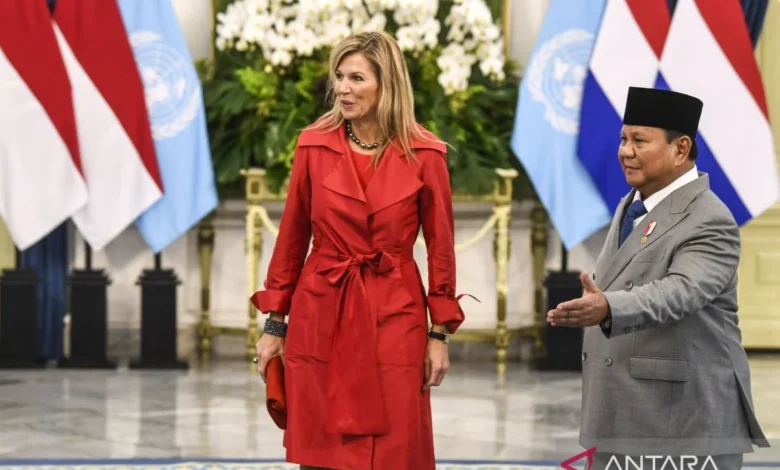
Jakarta, Indonesia – Her Majesty Queen Máxima of the Netherlands has just concluded a significant five-day working visit to Indonesia, spanning from Monday, November 24, to Thursday, November 27, 2025. Her presence in the archipelago was not in her capacity as the reigning Queen of the Netherlands, but rather as the United Nations Secretary-General’s Special Advocate (UNSGSA) for Inclusive Finance for Development. This distinction underscored the mission-driven nature of her tour, which focused intensely on strategic meetings and activities designed to advance financial inclusion and promote the financial health of communities across Indonesia. The visit marked her fifth journey to the Southeast Asian nation, further solidifying a long-standing partnership aimed at fostering economic empowerment.
The UNSGSA role, which Queen Máxima has held since 2009, empowers her to advocate globally for financial systems that work for everyone, especially the poor and vulnerable. Her mandate involves raising awareness, encouraging leaders to make commitments, and facilitating collaboration among governments, regulators, the private sector, and development organizations. In Indonesia, a nation of over 270 million people with significant strides in economic development but persistent challenges in equitable access to financial services, her advocacy holds particular resonance. The 2025 visit, therefore, was meticulously planned to cover a diverse range of engagements, from grassroots community initiatives to high-level policy discussions, reflecting a comprehensive approach to financial inclusion.
A Deep Dive into Indonesia’s Financial Landscape
Indonesia has made remarkable progress in financial inclusion over the past decade. According to data from the Financial Services Authority (OJK) and Bank Indonesia (BI), the national financial inclusion index has steadily climbed, reaching approximately 85% by 2023, up from around 36% in 2011. This growth has been largely driven by digital transformation, the proliferation of fintech services, and concerted government efforts through programs like the National Strategy for Financial Inclusion (SNKI). However, challenges persist, particularly in reaching remote populations, women, youth, and micro, small, and medium-sized enterprises (MSMEs), who often lack access to formal credit, savings, insurance, and investment products. The quality of financial services, financial literacy levels, and consumer protection also remain critical areas for improvement. Queen Máxima’s visit aimed to observe firsthand the innovations addressing these gaps and to encourage further progress.
Previous Engagements and Enduring Partnership
This latest visit built upon a foundation of prior engagements. Queen Máxima had previously visited Indonesia three times in her UNSGSA capacity, in 2012, 2016, and 2018, each time bringing global expertise and fostering local partnerships. Her 2012 visit focused on digital finance and financial literacy. In 2016, she highlighted the role of microfinance and rural outreach. Her 2018 tour delved into supporting women entrepreneurs and leveraging technology for broader access. Beyond her UNSGSA duties, she also accompanied King Willem-Alexander during a state visit in 2020, underscoring the broader diplomatic ties between the Netherlands and Indonesia. These repeated visits signify the enduring commitment of the UNSGSA to Indonesia’s financial development journey and highlight the nation’s pivotal role in global financial inclusion efforts.
Born on May 17, 1971, Queen Máxima Zorreguieta Cerruti married then-Prince Willem-Alexander of the Netherlands in 2002 in Amsterdam. Her background in international finance, having worked in major financial institutions, provides her with a unique perspective and deep understanding of the complexities and opportunities within the financial sector, making her an exceptionally effective advocate for inclusive finance.
Chronology of a Transformative Visit
The three-day intensive itinerary, spanning Tuesday, November 25, to Thursday, November 27, 2025, strategically covered various facets of financial inclusion, from direct community engagement to high-level policy discussions.
Tuesday, November 25: Grassroots Engagement and MSME Empowerment
The UNSGSA commenced her tour in Central Java, a region renowned for its vibrant economic activity and rich cultural heritage. Her first stop was a garment factory in Sragen Regency. This visit was crucial for understanding the financial lives of industrial workers, many of whom are migrants or support families in rural areas. Discussions likely centered on wage management, access to formal savings mechanisms, health insurance, and affordable credit, particularly for unexpected emergencies. Promoting financial literacy among factory workers is vital to help them manage their earnings, plan for the future, and avoid predatory lending.
Following this, Queen Máxima traveled to Solo (Surakarta), a city celebrated for its traditional crafts. Here, she visited Kampung Batik Laweyan, a historic batik village. This engagement focused on the financial health of MSMEs, which form the backbone of Indonesia’s economy. Batik artisans and small business owners often face challenges in accessing formal credit, managing cash flow, and embracing digital payment solutions. The visit likely explored how financial technology (fintech) and microfinance institutions could better support these enterprises, enabling them to expand their markets and improve their resilience. The discussions in Solo underscored the importance of tailored financial products that meet the specific needs of creative industries and traditional businesses.
Later that day, Queen Máxima attended a Women’s World Banking event at Pura Mangkunegaran, Solo. This gathering provided a platform for direct interaction with young people, students, and entrepreneurs, allowing them to share their experiences with financial products and services. Women’s World Banking is a global non-profit dedicated to women’s economic empowerment, making this a highly relevant stop. Conversations likely highlighted the persistent gender gap in financial access and literacy, the importance of financial education for youth, and the innovative ways in which women entrepreneurs are leveraging financial tools to grow their businesses and contribute to their communities. The UNSGSA often emphasizes that financially empowered women are key drivers of economic growth and poverty reduction.
Wednesday, November 26: Policy Dialogue and Innovative Housing Finance
The second day saw the UNSGSA transition to higher-level discussions and a focus on innovative financial solutions. In the morning, Queen Máxima visited a local UN office in Jakarta, where she participated in a roundtable discussion with various development organizations. This session provided an opportunity to coordinate efforts, share best practices, and strategize on how multilateral organizations can collectively support Indonesia’s financial inclusion agenda. Topics likely included digital financial services, financial education, consumer protection, and the integration of financial inclusion into broader sustainable development goals (SDGs). The UN Country Team in Indonesia plays a crucial role in supporting the government’s development priorities, making this a key collaborative platform.
Subsequently, she visited the International Finance Corporation (IFC), a member of the World Bank Group. The IFC focuses on private sector development in emerging markets. Discussions here revolved around the development of loans and investments that contribute to economic growth and financial health. This could include financing for infrastructure, green projects, and supporting financial institutions that cater to underserved segments. The role of the private sector is indispensable in scaling financial inclusion, and the IFC’s expertise in mobilizing private capital is critical for sustainable development.
A highlight of the day was the visit to the Gran Harmoni Cibitung subsidized housing complex in Bekasi Regency, West Java. This complex provides low-emission housing for low- and middle-income communities, addressing a critical need for affordable housing in urban areas. Queen Máxima engaged directly with residents, visiting a homeowner’s residence and interacting with representatives of first-time homebuyers. This provided invaluable insights into the practical challenges and opportunities associated with affordable housing finance.
Crucially, the visit included an inspection of a "bank sampah" (waste bank), an innovative mechanism offered by some developers and banks, such as Bank BTN, to help residents pay their mortgage installments using sorted waste. This initiative, which links environmental sustainability with financial responsibility, garnered particular appreciation from Queen Máxima. The concept allows residents to accumulate value from their waste, which can then be converted into payments, thus easing financial burdens and promoting environmental consciousness simultaneously. She also observed the process of signing property sale and purchase agreements for dozens of prospective homeowners, witnessing firsthand the formalization of homeownership for many. This innovative approach to KPR (mortgage) payments demonstrates Indonesia’s creativity in overcoming financial barriers for its citizens, a point of significant interest for the UNSGSA.
The day concluded with a visit to Deloitte Indonesia, where Queen Máxima engaged with employers. The conversation centered on how corporations can contribute to the financial health of their employees and clients. This includes promoting financial literacy programs, offering employee benefits that support financial wellness, and designing client-centric financial products. The private sector’s role extends beyond profit-making to fostering a financially resilient workforce and client base, contributing to broader societal well-being.
Thursday, November 27: High-Level Policy and Presidential Engagement
The final day of Queen Máxima’s visit was dedicated to cementing policy commitments and engaging at the highest levels of Indonesian government. She participated in a crucial financial literacy agenda with the Financial Services Authority (OJK), Bank Indonesia (BI), and the Ministry of Finance (Kemenkeu) of Indonesia. This collaborative session underscored the national commitment to enhancing financial literacy and inclusion. Discussions likely covered the progress of national financial literacy campaigns, strategies to reach underserved populations, the role of digital literacy in a rapidly evolving financial landscape, and regulatory frameworks to protect consumers while fostering innovation. Policy coherence among these key institutions is paramount for effective implementation of financial inclusion strategies.
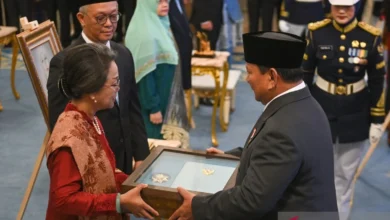
The culmination of her visit was a meeting with President Prabowo Subianto at the Merdeka Palace in Jakarta. This high-level engagement provided Queen Máxima with the opportunity to convey her findings and impressions from her extensive tour, including insights gathered from her private meetings and interactions across the country. The meeting, which included a private audience and a luncheon, served to reinforce the strong ties between the Netherlands and Indonesia and the shared commitment to advancing sustainable development goals. President Subianto’s reception of the UNSGSA signifies Indonesia’s serious commitment to financial inclusion as a national priority and its appreciation for international cooperation in this area. Discussions likely touched upon the successes observed, areas requiring further attention, and potential avenues for future collaboration between the UNSGSA’s office, the UN, and the Indonesian government.
Broader Impact and Implications
Queen Máxima’s 2025 visit to Indonesia as the UNSGSA is expected to have several far-reaching implications. Firstly, it provides a renewed impetus for Indonesia’s national financial inclusion agenda, reinforcing the government’s commitment and encouraging continued innovation. The attention drawn by her visit can mobilize resources and foster greater public-private partnerships. Secondly, her observations and recommendations, particularly on initiatives like the waste bank for mortgage payments, can serve as valuable case studies and inspire similar innovations in other developing countries. Indonesia’s blend of traditional economic activities with modern digital solutions offers a rich learning ground.
Thirdly, the visit strengthens the collaborative framework between Indonesia and international bodies, particularly the United Nations, in achieving Sustainable Development Goals, notably SDG 1 (No Poverty) and SDG 8 (Decent Work and Economic Growth). Financial inclusion is a critical enabler for many other SDGs, from health and education to gender equality. Finally, the high-level engagement with President Subianto underscores the diplomatic significance of such visits, fostering goodwill and strengthening bilateral relations between the Netherlands and Indonesia, extending beyond the specific mandate of the UNSGSA.
As Indonesia continues its journey towards becoming a high-income nation, ensuring that all segments of its population have equitable access to and can effectively utilize financial services will be paramount. Queen Máxima’s consistent advocacy and direct engagement serve as a powerful catalyst in this ongoing national endeavor, promoting not just access, but genuine financial health and resilience for all Indonesians. The insights gathered and the partnerships forged during this visit are poised to contribute significantly to the country’s socio-economic development for years to come.