Surabaya Coastal Areas on High Alert for 11-Day Tidal Flood Threat Driven by Super New Moon Phenomenon

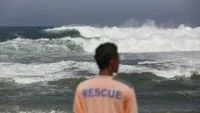
The coastal zones of Surabaya, East Java, are bracing for a prolonged period of elevated tidal flooding as local authorities issue a stern warning regarding an impending coastal inundation event. Driven by the astronomical phenomenon known as the Super New Moon—which aligns the gravitational pull of the sun and the moon to amplify oceanic tides—the city’s low-lying coastal neighborhoods face a continuous threat of tidal floods, locally known as banjir rob, lasting for nearly two weeks.
The municipal government, acting through the Surabaya City Regional Disaster Management Agency (BPBD), has mobilized its resources and personnel to mitigate the potential hazards. With forecasts projecting the high-tide event to persist across an extended eleven-day window, civic leaders have emphasized the necessity of a coordinated response between structural engineering defenses and community-level preparedness to safeguard residents, property, and local economic activities.
Meteorological Context and Chronology of the Threat
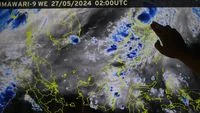
The genesis of the upcoming crisis lies in maritime meteorological forecasts issued by the Tanjung Perak Maritime Meteorological Station, part of Indonesia’s Meteorology, Climatology, and Geophysical Agency (BMKG). According to BMKG data, the convergence of astronomical conditions creating the Super New Moon will significantly elevate sea levels along the East Java coast, specifically targeting the vulnerable shorelines and estuaries of Surabaya.
The high-tide siege is officially projected to commence on September 20 and run continuously through September 30, 2026. This eleven-day duration represents an unusually extended period for tidal flooding, which typically peaks over the course of two to three days during standard lunar cycles. The persistence of the event elevates the risk of cumulative water damage, prolonged traffic disruptions, and potential public health hazards associated with stagnant marine water infiltrating residential districts.
Surabaya’s unique geographical layout makes it particularly susceptible to tidal incursions. As a major port city situated on the delta of the Brantas River and fronting the Madura Strait, extensive tracts of urban development sit at or near sea level. Consequently, any significant elevation in mean sea level directly threatens densely populated coastal sub-districts, traditional fishing villages, commercial warehouses, and vital transportation corridors linking the mainland to regional ports.
Structural Mitigation and Infrastructure Defense
In response to the BMKG warnings, the Surabaya City Government has expedited a comprehensive suite of structural mitigations designed to hold back incoming seawater and rapidly drain urban runoff. Head of BPBD Surabaya, Irvan Widyanto, outlined the city’s multi-layered defense strategy, which relies heavily on modernized water management infrastructure installed across various high-risk points.
Central to the structural defense is the deployment of automated floodgates, specifically utilizing flat gate technology. These mechanical systems are engineered to function autonomously, sealing shut the moment sensors detect rising sea levels to prevent seawater from pushing upstream into municipal drainage networks. Simultaneously, the city has placed its extensive network of municipal pumping stations on high alert. These high-capacity pumps are designated to capture interior rainwater and urban runoff, forcefully expelling it back into the sea even while the coastal gates remain closed against the high tide.
Beyond immediate mechanical defenses, the municipal administration has intensified preventative maintenance across Surabaya’s vast canal and drainage networks. Public works crews have been deployed to execute massive dredging and normalization programs, targeting accumulated silt, sand deposits, and domestic waste that routinely obstruct water flow.
"We execute these normalization efforts at least twice a year to systematically increase the water storage and conveyance capacity of our canals," Irvan stated. By clearing these bottlenecks, the city aims to prevent interior rainwater from compounding the volumes of water pushed inland by the ocean, thereby shortening the lifespan of any localized inundations.
Non-Structural Preparedness and Early Warning Systems
Recognizing that physical infrastructure alone cannot entirely eliminate the risks posed by extreme meteorological events, the Surabaya administration has reinforced its non-structural mitigation framework. A cornerstone of this approach is the optimization of the city’s Early Warning System (EWS), which tracks real-time shifts in sea surface heights and tidal velocities.
Through the EWS, BPBD maintains a continuous telemetry feed of maritime conditions, allowing disaster management officials to push targeted alerts directly to district leaders, community associations, and residents residing within identified flood zones. These warnings are designed to provide a crucial window of preparation before peak tide hours occur each day.
Concurrently, community education campaigns have been stepped up across coastal neighborhoods. Local disaster response units have been conducting outreach programs to familiarize residents with designated evacuation routes, safe assembly points, and protocols for self-rescue. Families living in precarious coastal tracts are advised to elevate electrical appliances, secure important documents, and prepare go-bags in the event that rising waters breach localized defenses.
To ensure rapid response capabilities throughout the eleven-day crisis, the municipal government has activated a centralized emergency communications network. Residents requiring urgent assistance, evacuation support, or wishing to report compromised coastal infrastructure—such as cracked seawalls or malfunctioning drainage gates—are urged to utilize dedicated emergency channels. The city’s Call Center 112 remains operational 24 hours a day, supplemented by a dedicated WhatsApp response line at 0811-3111-2112 to streamline public reporting and dispatch rapid-response maintenance teams.
"We urgently appeal to all residents inhabiting the coastal regions of Surabaya to proactively monitor official tidal schedules and flood forecasts published directly through BMKG channels," Irvan emphasized. "We also remind the public to maintain the cleanliness of local drainage channels and immediately report any structural damage to embankments or flood barriers via our emergency lines."
Broader Implications and Socio-Economic Impact
The eleven-day tidal flood threat underscores the growing vulnerability of coastal urban centers in Southeast Asia to climate-induced sea-level anomalies and extreme weather patterns. While the Super New Moon is a predictable astronomical event, scientists note that the baseline severity of such tides is increasingly exacerbated by global mean sea-level rise and localized land subsidence, a common challenge in dense industrial and residential coastal zones.
For Surabaya, a vital economic engine of East Java, the economic implications of prolonged coastal flooding extend beyond immediate property damage. Inundations in commercial port areas and logistics hubs can severely disrupt supply chains, delay container freight movements, and temporarily halt commercial operations for small- and medium-sized enterprises operating along the waterfront. Furthermore, traditional maritime livelihoods, including coastal aquaculture and artisanal fishing fleets, face operational disruptions as navigation hazards multiply during peak tidal surges.
Public health analysts also point out the secondary risks associated with extended tidal flooding, notably the proliferation of waterborne diseases, vector-borne illnesses linked to stagnant brackish water, and the contamination of localized shallow groundwater sources. The success of Surabaya’s multi-pronged mitigation strategy will therefore be measured not only by its ability to keep major thoroughfares dry, but also by how effectively municipal agencies can prevent long-term environmental and public health fallout.
As the city enters this critical eleven-day period, the effectiveness of Surabaya’s upgraded pump networks, automated gates, and proactive community engagement will be put to a severe test. Local authorities remain on high alert, prepared to scale up emergency responses dynamically as the maritime meteorological data unfolds through the end of September.
Related posts: