
PT Trans News Corpora, the parent organization of CNN Indonesia, has officially announced the opening of its National Internship Program for 2026, conducted in strategic collaboration with the Indonesian Ministry of Manpower through the MagangHub platform. This initiative represents a significant opportunity for active university students and recent graduates to gain hands-on experience within one of Southeast Asia’s most influential media ecosystems. The program, which spans various disciplines, offers 38 distinct positions, reflecting the multifaceted nature of modern media operations, from high-stakes journalism and technical broadcast engineering to digital development and corporate administration.
The launch of this program comes at a pivotal time for the Indonesian media industry, as traditional broadcasting continues to integrate deeply with digital platforms. By opening these positions, CNN Indonesia is not only seeking to bolster its operational capacity but is also fulfilling a role as a talent incubator for the next generation of media professionals. The internship is structured as a six-month immersive experience, designed to bridge the gap between academic theory and the rigorous demands of a fast-paced news environment.
Strategic Context and the MagangHub Partnership
The integration of the CNN Indonesia internship program into the Ministry of Manpower’s MagangHub platform is a deliberate move to ensure transparency, accessibility, and standardization in the recruitment of young talent. MagangHub, part of the broader SIAPkerja ecosystem, was developed by the Indonesian government to streamline the connection between educational institutions and the labor market. This partnership ensures that the internship adheres to national standards for vocational training, providing participants with recognized credentials that carry weight in the professional world.
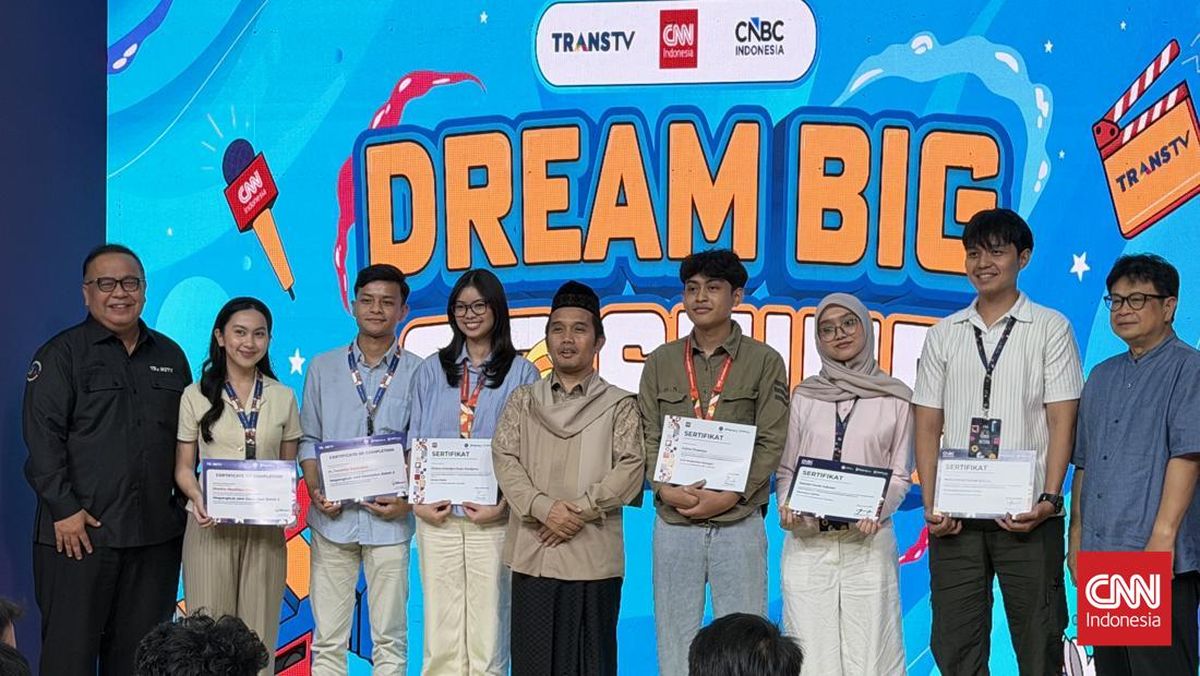
For PT Trans News Corpora, this program is an extension of its commitment to human capital development. As a member of the Transmedia group, which also oversees Trans TV and Trans 7, the organization has a long-standing history of conducting large-scale recruitment drives. Data from previous cycles, such as MagangHub Batch 2, indicates a high level of engagement; for instance, that batch successfully processed hundreds of interns across various units, including 98 individuals at Trans TV and 51 at other media divisions. The 2026 program aims to build upon this success by refining the roles offered to meet the specific technological and editorial needs of the current year.
Comprehensive Chronology of the 2026 Recruitment Cycle
The recruitment process for the 2026 National Internship Program is characterized by a rapid and highly structured timeline, designed to identify and onboard talent within a span of less than a month. Potential candidates are encouraged to adhere strictly to the following schedule:
- Registration Period (July 16 – July 28, 2026): Candidates must submit their applications through the official MagangHub portal. This two-week window allows the recruitment team to gather a diverse pool of applicants from across the archipelago.
- Interview Phase (July 29 – August 5, 2026): Shortlisted candidates will undergo a rigorous screening process. Given the nature of the positions, these interviews likely involve portfolio reviews for creative roles and technical assessments for IT and engineering roles.
- Final Announcement (August 7, 2026): The names of successful applicants will be published, marking the transition from candidate to intern-elect.
- Official Onboarding (August 10, 2026): The program officially commences with an orientation session, where interns are introduced to the company culture, editorial guidelines, and their specific departmental workflows.
The six-month duration of the internship is intentionally longer than many standard three-month university requirements. This extended period is designed to allow interns to move beyond mere observation and into active participation in production cycles, project management, and content creation.
Detailed Breakdown of Available Positions
The 38 positions available in this cycle are categorized into several key pillars of media operations. This diversity ensures that the program is inclusive of various academic backgrounds, including Communications, Information Technology, Business Administration, Law, and Finance.
Editorial and Content Production
At the heart of CNN Indonesia’s operations are the roles that drive the news cycle. Positions such as Field Producer (Reporter TV) and Assignment Editor are critical for the gathering and vetting of information. Meanwhile, News Developers (Digital Reporters) reflect the organization’s focus on the digital-first era, requiring a blend of journalistic integrity and SEO-savvy writing. Production-focused roles include Production Assistant TV, Video Editor, Videographer, and Camera Person, all of whom are essential for the visual storytelling that defines the network.
Technical and Broadcast Engineering
To maintain a 24-hour news broadcast, a robust technical team is required. The 2026 program offers specialized roles such as Transmission Engineer, Control Room Operator, and Electronic Graphic Operator. Furthermore, the inclusion of Audio Person and Lighting Person positions highlights the technical precision required for high-quality studio productions.
Information Technology and Digital Innovation
As media consumption shifts toward mobile and web platforms, the need for IT professionals has surged. CNN Indonesia is looking for Full Stack Developers, UX Designers & UI Developers, and IT Support staff. These roles are tasked with maintaining the digital infrastructure that delivers news to millions of users, ensuring that the user experience is seamless and the backend systems are secure.
Business Development and Corporate Support
Behind the scenes, the sustainability of a media giant depends on business and administrative functions. The internship includes roles in Business Development, Social Media Business Development, and Admin Marketing. Corporate governance is also represented through positions in Finance, Public Relations, Secretary, RACI – Legal, and Recruitment & Employer Branding. This wide array of corporate roles provides a rare look into the commercial and legal complexities of running a major news corporation.
Implications for the Media Industry and Talent Pool
The 2026 National Internship Program is more than just a recruitment drive; it is a barometer for the evolving needs of the Indonesian media landscape. The heavy emphasis on digital roles—such as News Developers and UI/UX Designers—underscores the industry-wide shift away from traditional linear television toward multi-platform engagement.
For the participants, the implications are significant. An internship at CNN Indonesia provides exposure to international standards of journalism and broadcasting. Interns are expected to operate under the "CNN brand" which mandates a high level of accuracy, speed, and ethical conduct. This "on-the-job" training is invaluable in a market where employers increasingly prioritize practical experience and digital literacy over purely academic credentials.
From a broader economic perspective, programs like MagangHub help address the "skills mismatch" often cited by Indonesian industry leaders. By providing a clear pathway from university to a high-tier professional environment, PT Trans News Corpora is contributing to the national goal of enhancing the quality of the Indonesian workforce.
Application Procedures and Requirements
Interested applicants must navigate the process through the Ministry of Manpower’s digital infrastructure. The steps are designed to be user-friendly but require candidates to have a pre-existing profile on the SIAPkerja platform.
- Access the Portal: Candidates should visit the official MagangHub website at https://maganghub.kemnaker.go.id.
- Account Verification: Applicants must log in using their SIAPkerja account. It is crucial that their profiles are complete and that their status meets the eligibility criteria set by the ministry.
- Search for Vacancies: By searching for "CNN Indonesia" or "Trans News Corpora," candidates can view the specific requirements for each of the 38 positions.
- Selection and Submission: After identifying the role that best matches their interests and skills, candidates can submit their applications directly through the portal.
The company has emphasized that the selection process is merit-based. Given the high volume of applications expected for a prestigious brand like CNN, candidates are encouraged to highlight their technical skills, previous organizational experience, and a strong understanding of the media industry in their applications.
Conclusion
The 2026 National Internship Program at CNN Indonesia stands as a cornerstone initiative for aspiring media professionals in Indonesia. By offering a comprehensive range of roles and a structured six-month timeline, PT Trans News Corpora is setting a high standard for vocational development in the creative and digital sectors. As the media landscape continues to transform, those who secure a spot in this program will find themselves at the forefront of the industry, equipped with the tools and experience necessary to navigate the future of global communications.
For further information regarding specific requirements for each role, prospective interns are advised to visit the official Trans News Corpora organizer page on the MagangHub website. This program represents a unique junction where government policy, corporate responsibility, and youth ambition meet to shape the future of Indonesian journalism.