Indonesia Aims for Universal Electricity Access by 2029 Under President Prabowo’s Mandate

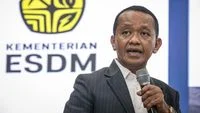
Minister of Energy and Mineral Resources (ESDM), Bahlil Lahadalia, has announced an ambitious target to achieve full electricity coverage across all villages and hamlets in Indonesia by 2029. This directive stems directly from President Prabowo Subianto, who has prioritized universal electricity access as a key program for the Ministry of ESDM. The initiative aims to ensure that remote and underserved communities can fully participate in the nation’s progress and experience the benefits of Indonesian independence.
A Presidential Mandate for Electrification
During a working meeting with Commission XII of the House of Representatives (DPR RI) at the Parliament Complex in Central Jakarta on Monday, June 15th, Minister Lahadalia articulated the president’s vision. "The President’s instruction is that by 2029-2030, all electricity in villages or hamlets that are not yet electrified should be completed. God willing, pray for the support of the honorable members of Commission XII so that we can complete this, so that they too can feel part of the independence of the Republic of Indonesia," Lahadalia stated.
This declaration underscores a significant national commitment to bridging the energy divide, a persistent challenge in a vast archipelagic nation like Indonesia. The electrification of remote areas is not merely about providing power; it is seen as a fundamental step towards social equity, economic development, and the realization of equal opportunities for all citizens.
Budgetary Allocation for a Greener Future
To achieve this ambitious goal, Minister Lahadalia has formally requested a substantial budget allocation. The Ministry of ESDM is seeking Rp 9.746.09 trillion specifically for the development of village electricity infrastructure, managed by the Directorate General of Electricity. This figure represents a significant portion of the total infrastructure budget requested for the ministry, which stands at Rp 22.475.55 trillion.
"Village electricity infrastructure amounts to Rp 9.746.09 trillion. I believe these are priority programs in the energy sector that are the focus, because this is part of the priority programs of Mr. President (Prabowo Subianto)," Lahadalia added, emphasizing the alignment of the ministry’s financial requests with the president’s agenda.
The overall proposed budget for the Ministry of ESDM for the fiscal year 2027 is Rp 27.33 trillion. This represents a notable increase of 26.11 percent compared to the indicative budget ceiling for 2026, which was set at Rp 21.67 trillion. This substantial increase reflects the government’s commitment to bolstering the energy sector’s capacity and reach. The indicative budget is strategically divided, with a significant 82 percent, or Rp 22.48 trillion, earmarked for strategic infrastructure programs. Operational expenditures will account for 13 percent (Rp 3.56 trillion), and non-physical public programs will receive 5 percent (Rp 1.3 trillion).
The Scale of the Challenge: Unreached Villages and Hamlets
Minister Lahadalia provided a stark picture of the current situation, revealing that over 10,000 villages and hamlets across Indonesia still lack access to electricity. The most significant concentrations of these unreached areas are located in the eastern parts of the archipelago, specifically on the islands of Sulawesi, Maluku, and Papua.

He elaborated on the figures: "After I visited the eastern region recently, it turns out there are still many. There are islands, there are storage facilities, but no electricity. Imagine that. So, there are some in Sulawesi, some in Maluku, and some in Papua." The precise breakdown provided indicates 5,700 villages and 4,400 hamlets that are yet to be electrified. This statistic highlights the geographical and logistical complexities involved in achieving universal access, particularly in remote and island communities.
Background and Context: The Ongoing Electrification Drive
Indonesia has been engaged in a long-term endeavor to expand electricity access to its population. The electrification ratio, which measures the percentage of households with access to electricity, has steadily increased over the years. According to data from the Ministry of ESDM, as of early 2024, the national electrification ratio stood at over 99%. However, the remaining percentage, though small, represents a significant number of households and communities that have been historically underserved.
The government has implemented various programs to address this gap, including the construction of new power plants, expansion of the national grid, and the deployment of off-grid and micro-grid solutions for remote areas. These solutions often involve renewable energy sources like solar power, which are more suitable for isolated locations where grid extension is economically unfeasible.
The current administration’s emphasis on accelerating this process, particularly with a firm deadline, signifies a renewed urgency. President Prabowo Subianto’s background as a former military leader might also imply a structured, mission-oriented approach to implementing such large-scale infrastructure projects. The mention of "feeling part of the independence of the Republic of Indonesia" by Minister Lahadalia suggests a broader socio-political dimension to the electrification goal, linking basic infrastructure to national identity and equitable development.
Analysis of Implications: Economic and Social Impact
The successful achievement of universal electricity access by 2029 would have profound implications for Indonesia:
- Economic Growth: Electricity is a fundamental enabler of economic activity. Access to reliable power can stimulate small and medium-sized enterprises (SMEs), improve agricultural productivity through irrigation and processing, and attract investment in previously underserved regions. It allows for longer operating hours for businesses and facilitates the adoption of modern technologies.
- Improved Quality of Life: Electrification directly impacts daily life. It enables the use of lighting for extended study and work hours, powers essential appliances for health and hygiene, and provides access to information and communication technologies. This can lead to improved educational outcomes, better healthcare services, and enhanced overall well-being.
- Reduced Inequality: By bringing electricity to the most remote and marginalized communities, the government is actively working to reduce regional disparities and ensure that all citizens benefit from national development. This can help curb migration from rural to urban areas and foster more balanced regional growth.
- National Security and Resilience: Reliable energy infrastructure is crucial for national security. Electrification of remote areas can improve communication networks, facilitate disaster response, and strengthen the government’s presence and ability to provide services across the vast archipelago.
Challenges and Potential Roadblocks
While the target is ambitious and commendable, several challenges could impede its realization:
- Geographical Complexity: Indonesia’s archipelagic nature presents significant logistical hurdles for infrastructure development. Reaching remote islands and mountainous regions requires substantial investment in transportation and specialized construction methods.
- Funding and Resource Management: The requested budget is substantial, and effective and transparent management of these funds will be crucial. Potential budget overruns or inefficient allocation could delay progress.
- Technical Expertise and Skilled Labor: Implementing and maintaining electricity infrastructure, especially in remote areas, requires a skilled workforce. Ensuring the availability of trained personnel will be vital.
- Environmental Considerations: The development of new energy infrastructure must be balanced with environmental sustainability. Careful planning is needed to minimize ecological impact, particularly in ecologically sensitive regions.
- Community Engagement and Social Acceptance: For any infrastructure project to be successful, community buy-in and participation are essential. Ensuring that local communities are involved in the planning and implementation process can help overcome potential resistance and ensure long-term sustainability.
Looking Ahead: A Step Towards Energy Independence
The push for universal electricity access by 2029 represents a significant step in Indonesia’s journey towards energy independence and equitable development. The clear directive from President Prabowo Subianto and the substantial budgetary requests by Minister Lahadalia signal a strong political will to address this long-standing issue. The success of this initiative will depend on meticulous planning, efficient resource allocation, robust technological implementation, and sustained commitment from all stakeholders involved, ultimately aiming to illuminate every corner of the nation and empower its citizens. The coming years will be critical in observing the progress and overcoming the inherent complexities of this monumental undertaking.
Related posts: