
Traditional Chinese Steamed Cake Fa Gao
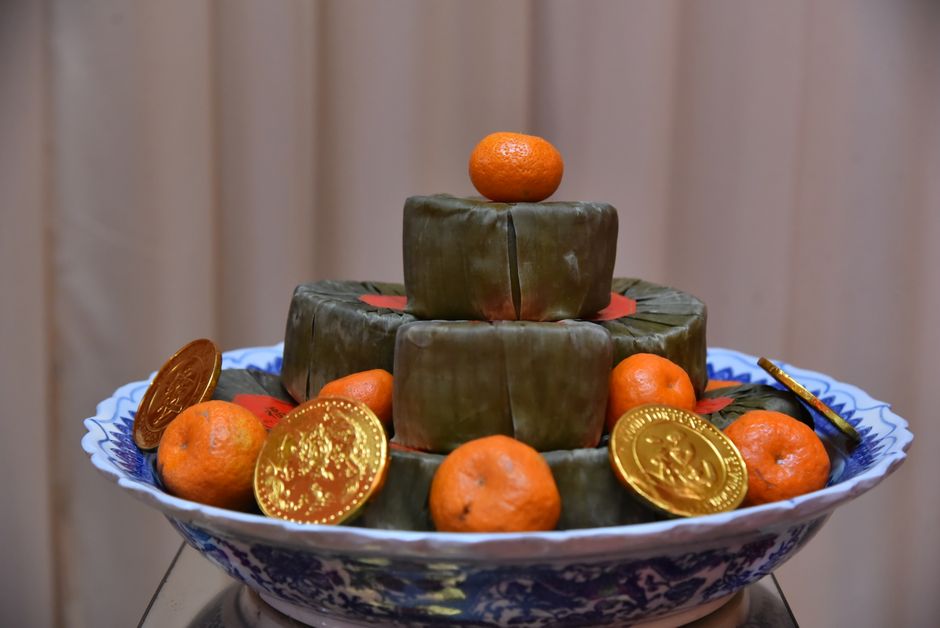
Fa Gao: The Auspicious Chinese Steamed Cake – A Deep Dive into Tradition, Symbolism, and Culinary Craft
Fa gao, often translated as "prosperous cake" or "fortune cake," is a beloved traditional Chinese steamed cake renowned for its distinctive appearance, unique texture, and profound cultural significance. More than just a dessert, fa gao embodies wishes for prosperity, good fortune, and growth, making it an indispensable delicacy during important festivals and celebrations, particularly Chinese New Year. Its humble ingredients – rice flour, sugar, and leavening agents – are transformed through a precise steaming process into a light, airy, and often vibrantly colored confection that splits open at the top, resembling a blooming flower. This characteristic fissure, known as the "bloom" or "smile," is a highly sought-after feature, symbolizing auspicious beginnings and burgeoning success. Understanding fa gao involves delving into its historical roots, the science behind its unique texture, the symbolism embedded in its preparation and presentation, and the diverse regional variations that showcase the breadth of Chinese culinary artistry.
The origins of fa gao are intertwined with the agricultural history of China, where rice has been a staple crop for millennia. Steaming, as a cooking method, is ancient and prevalent across East Asia, predating ovens and offering a gentler, more controlled way to cook delicate ingredients. The name "fa gao" itself is derived from the Hokkien dialect, spoken in the Fujian province and widely adopted by overseas Chinese communities, particularly in Southeast Asia. "Fa" (發) in Hokkien means to prosper or develop, while "gao" (糕) means cake or pastry. This direct translation underscores the cake’s primary purpose: to invoke good fortune. While specific historical accounts of the exact invention of fa gao are scarce, its evolution likely mirrored the development of rice flour processing and the experimentation with leavening techniques. Early versions may have been simpler, relying on natural fermentation or the incorporation of yeast. As culinary knowledge advanced, so did the sophistication of fa gao recipes, leading to the distinct textures and flavors we recognize today. The practice of offering fa gao during festivals is deeply rooted in folk customs, where food offerings played a crucial role in appeasing deities and ancestors, and in celebrating harvest and communal prosperity.
The distinctive texture of fa gao is a result of the interplay between its primary ingredients and the steaming process. Traditionally, it’s made with rice flour, which lacks the gluten found in wheat flour. This gluten-free nature contributes to its tender, slightly chewy, and melt-in-your-mouth quality. The leavening agent is crucial for achieving the characteristic airy lightness and the iconic bloom. Historically, natural leavens like yeast or even fermented rice water were used. Modern recipes often employ a combination of baking powder and baking soda, or commercial yeast, to achieve a more consistent and rapid rise. The sugar content not only sweetens the cake but also contributes to its moisture retention and the browning of the surface when steamed, although the charring is minimal compared to baked goods. The interaction of heat and moisture during steaming is paramount. The steam penetrates the batter, causing the leavening agents to release gases, which expand the batter. As the steam solidifies and cools, the internal structure becomes set, trapping these air pockets. The rapid temperature change at the surface as it’s exposed to the intense steam triggers the characteristic split, a visual cue that signifies a successful bake and, symbolically, a prosperous outcome.
The symbolism of fa gao is deeply ingrained in its preparation and presentation. The "bloom" or "crack" at the top is the most prominent symbol, representing prosperity, growth, and blossoming fortune. The number of layers or segments in a fa gao can also hold significance. For example, a cake divided into eight segments is considered particularly auspicious, as the number eight (八, bā) sounds like "to prosper" (發, fā) in Mandarin and Cantonese. The colors of fa gao are also deliberately chosen for their symbolic meanings. White fa gao, often the plainest, symbolizes purity and a fresh start. Red fa gao, achieved through the addition of red yeast rice (紅麴, hóng qū) or food coloring, is highly auspicious as red is the color of good luck, joy, and celebration in Chinese culture. Green fa gao, sometimes colored with pandan extract or matcha, can represent vitality and growth. Other colors, like yellow or pink, might be used for aesthetic appeal or specific regional traditions. The shape of the individual steamed cakes is also often deliberate, with molds in the shape of flowers, fruits, or auspicious characters being common. The act of sharing fa gao during celebrations is a communal expression of well wishes, reinforcing the collective hope for a prosperous year ahead.
Regional variations of fa gao highlight the adaptability and diversity within Chinese cuisine. While the core concept of a steamed rice flour cake remains, different regions employ distinct ingredients, flavor profiles, and leavening techniques. In Fujian and parts of Southeast Asia, where the Hokkien dialect is prevalent, fa gao is often made with a batter that is fermented overnight, resulting in a more complex flavor and a slightly chewy texture. These versions might incorporate coconut milk for added richness and aroma. Cantonese-style fa gao, often found in Guangdong province and Hong Kong, tends to be lighter and airier, relying more heavily on chemical leaveners like baking powder and baking soda. They are often steamed in small individual molds, creating delicate, flower-like cakes. Teochew fa gao, from the Chaozhou region, can be richer and denser, sometimes incorporating a small amount of wheat flour for a different texture and featuring distinct sweet and savory flavor combinations, often including ingredients like dried shrimp or preserved radish. The diversity extends to the toppings as well, with some variations featuring toasted sesame seeds, chopped peanuts, or even candied fruits. These regional differences are not just culinary preferences but often reflect the local availability of ingredients and historical trade routes, showcasing the dynamic evolution of this traditional cake.
The culinary techniques involved in making fa gao are deceptively simple, yet require precision and attention to detail for optimal results. The quality of the rice flour is paramount. Medium-grain rice flour, often labeled as "cake flour" or "Mochi flour" in Western contexts, is preferred for its ability to create a smooth batter and a tender crumb. Some recipes might blend different types of rice flour to achieve a specific texture. The leavening process is critical. Whether using yeast or chemical leaveners, the activation and even distribution are key. For yeast-leavened fa gao, proper proofing of the yeast is essential to ensure a good rise. The batter consistency is another crucial factor. It should be thick enough to hold its shape but fluid enough to steam evenly. Over-mixing the batter can develop toughness, especially if any gluten-containing flour is present, though typically rice flour is the primary base. The steaming process itself requires careful management of heat and time. A vigorous steam is needed to quickly cook the batter and encourage the bloom. Over-steaming can result in a soggy cake, while under-steaming will lead to a dense, uncooked interior. The use of specific steaming molds, often made of metal or silicone, helps to create uniform shapes and facilitate even cooking. The molds are typically greased or lined to prevent sticking, ensuring the cake can be easily removed after steaming. Cooling the fa gao properly is also important, allowing the internal structure to stabilize.
The cultural significance of fa gao extends beyond its role as a festive food. It is a tangible representation of deeply held cultural values and aspirations. During Chinese New Year, the act of making and consuming fa gao is a ritual that connects generations and reinforces familial bonds. Grandparents teach grandchildren the traditional methods, passing down not just a recipe but also the cultural knowledge and symbolism associated with the cake. The visual appeal of fa gao, with its bright colors and blooming fissures, serves as a constant reminder of the hopes for a prosperous and flourishing year ahead. It is often offered at altars to ancestors and deities as a form of gratitude and a petition for blessings. In many communities, fa gao is also distributed among neighbors and friends, further solidifying social connections and fostering a sense of shared optimism. The celebratory nature of fa gao makes it a versatile offering, suitable for other auspicious occasions such as birthdays, weddings, and the opening of a new business, where its symbolism of growth and prosperity is highly valued. The practice of presenting fa gao as a gift also conveys sincere wishes for the recipient’s success and well-being.
The modern interpretation and commercialization of fa gao have seen its accessibility increase, while also presenting new challenges and opportunities. While many families still maintain the tradition of making fa gao from scratch, the convenience of pre-made mixes and readily available commercial versions means that this auspicious cake can be enjoyed by a wider audience. However, this commercialization can sometimes lead to a dilution of traditional techniques and a focus on mass production over artisanal quality. Nevertheless, there is also a growing appreciation for authentic, handcrafted fa gao, with many bakers and chefs experimenting with premium ingredients and innovative flavor combinations while staying true to the core principles of the cake. The global diaspora of Chinese communities has also played a significant role in spreading the popularity of fa gao. In countries with substantial Chinese populations, fa gao is a familiar sight in bakeries and at festivals, bridging cultural divides and introducing this unique delicacy to new palates. Efforts to preserve and promote traditional fa gao-making techniques are crucial to ensuring that this culturally rich and symbolically significant cake continues to be a cherished part of Chinese culinary heritage for generations to come. The ongoing evolution of fa gao reflects its enduring relevance and its capacity to adapt while retaining its essential identity as a symbol of prosperity and good fortune.
