Unveiling the Democratic Republic of Congo: A Journey into Africa’s Wild Heart Amidst Challenges

The aircraft descends over an endless sea of emerald rainforest, rivers threading through landscapes that stretch beyond the horizon, revealing the sheer, overwhelming scale of the Democratic Republic of Congo (DRC). Visitors arriving often fall silent, confronted by a land of unparalleled natural grandeur that is Africa’s second-largest country and home to the world’s second-largest tropical rainforest. This immense nation is the only place on Earth where both mountain gorillas and bonobos live in the wild, boasting nine national parks, over 200 waterfalls, active volcanoes, and Atlantic beaches. While many travelers arrive expecting significant logistical hurdles and challenges, the profound surprise often lies in the vast scale of ecological and cultural possibility that awaits.
However, it is crucial to preface any discussion of travel to the DRC with a stark safety advisory. As of mid-2026, multiple Western governments, including the United States, United Kingdom, Australia, and Canada, maintain Level 4 "Do Not Travel" advisories for the country. These advisories cite ongoing armed conflict in eastern provinces, a significant risk of kidnapping, and a declared Ebola outbreak in Ituri Province. Travel conditions are highly volatile and can change without warning. Any individual contemplating a visit must diligently check current advisories from their respective governments, travel exclusively with reputable operators who maintain direct security coordination with park authorities, and ensure they possess comprehensive travel insurance that includes emergency evacuation coverage. The DRC is not a destination for independent travel, and these warnings reflect genuine and serious risks. This article aims to reflect the destination’s genuine wildlife and cultural potential, while unequivocally stressing the paramount importance of safety and informed decision-making.
The DRC’s Ecological Majesty: A Continent Within a Country
The Democratic Republic of Congo’s geographical and ecological diversity is staggering. Spanning over 2.3 million square kilometers, it encompasses a microcosm of African ecosystems. The colossal Congo Basin, covering a significant portion of the country, is a vital global lung, second only to the Amazon in size. This ancient rainforest supports an extraordinary array of biodiversity, much of which remains unexplored. Beyond the iconic great apes, the DRC is a sanctuary for endemic species such as the elusive okapi, a forest giraffe, and the vibrant Congo peacock. Its nine national parks, including the globally renowned Virunga and Kahuzi-Biéga, serve as critical bastions for these species and their habitats, though they often operate under immense pressure from poaching and human encroachment.

The country’s topography ranges from the snow-capped Rwenzori Mountains in the east to the vast savannas and the dramatic volcanic landscapes, including the active stratovolcano Mount Nyiragongo, known for its persistent lava lake. The mighty Congo River, the second-longest river in Africa and the deepest in the world, carves through the landscape, acting as both a lifeblood and a formidable natural barrier, shaping ecosystems and human settlements alike. Its tributaries feed countless waterfalls, from the powerful Vampa and Zongo Falls in Kongo Central to the more remote Lofoï Falls, each a testament to the sheer force of nature. Along its short but significant Atlantic coastline near Moanda, unique mangrove forests thrive, offering yet another distinct ecosystem within this single nation.
Gorilla Trekking: An Unfiltered Wilderness Immersion
The allure of gorilla trekking in the DRC lies in its authenticity and the relative solitude of the experience, distinguishing it from the more heavily trafficked encounters found in neighboring Rwanda and Uganda. The journey into the heart of the forest often begins before dawn, under cool air, with distant birdsong echoing through mist-covered mountains. Expert trackers move silently ahead, interpreting subtle signs in the dense vegetation that most visitors would never discern, guiding the group towards one of the habituated gorilla families.
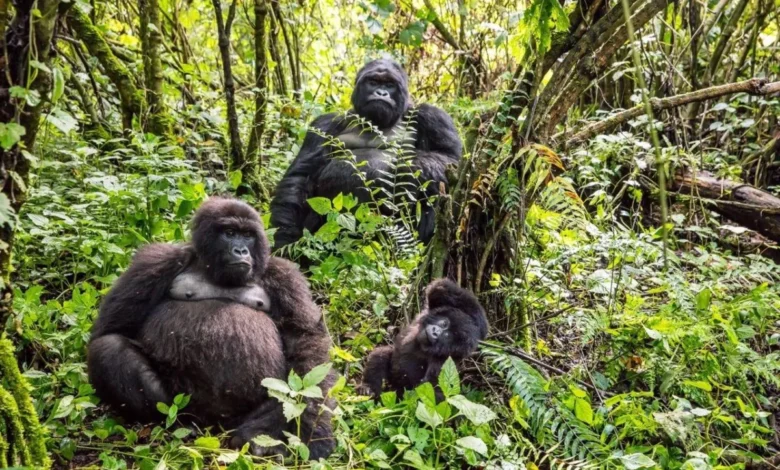
A common narrative among those who have undertaken this journey speaks to a profound transformation. One traveler recounted hours of patient trekking through the ethereal, mist-shrouded forest before the group came to a quiet halt. Just meters away, a majestic silverback emerged from the verdant undergrowth, followed by his entire family. The powerful leader paused, meeting the gaze of the human observers with an ancient, knowing stare, before calmly resuming his feeding. This moment, the traveler later reflected, transcended mere tourism; it fostered a deep understanding of why individuals dedicate their lives to protecting these magnificent animals and their imperiled habitat. This intimate quality of encounter, set against a backdrop of comparatively few other human visitors, is the defining characteristic of gorilla trekking in the DRC.
The DRC offers the unique opportunity to encounter both mountain gorillas, primarily in Virunga National Park (though access is frequently interrupted due by security concerns), and eastern lowland gorillas (Grauer’s gorillas) in Kahuzi-Biéga National Park. Bonobos, humanity’s closest living relatives alongside chimpanzees, are also endemic to the DRC, residing in dense lowland rainforests. While mountain gorilla encounters are typically intimate, with groups approaching within meters, bonobos are often observed from greater distances as they navigate the forest canopy. The distinction of being the only country where both mountain gorillas and bonobos exist in the wild underscores the DRC’s irreplaceable conservation value.

Beyond Primates: A Kaleidoscope of Discovery
While gorilla trekking often serves as the primary draw, the DRC offers a rich tapestry of experiences that extend far beyond primate encounters. Many travelers inadvertently discover the country’s broader appeal. The volcanic landscapes around Mount Nyiragongo, for example, present a terrain unlike anywhere else in Africa, with stark, dramatic beauty. The powerful Lofoï and Zongo waterfalls showcase the raw energy of the Congo’s vast river systems. Near Moanda, the Atlantic coast reveals entirely different ecosystems, with serene beaches and vibrant mangrove forests.
Sections of the Congo River itself, a crucial artery for the nation, traverse landscapes rarely seen by international visitors. Private boat expeditions can offer glimpses into traditional fishing villages, explore secluded river islands, and provide a unique perspective on the sheer scale of the riverine environment. The cultural depth encountered along these journeys often catches visitors off-guard. Congolese rumba, recognized by UNESCO, pulses through cities and villages, complemented by the rhythmic beat of traditional drums. Markets brim with life, offering grilled fish, roasted plantains, cassava, palm nuts, and an abundance of tropical fruits. The sensory experience of a market after a tropical rain, with the earthy scent of forest soil mixing with the aromas of fresh produce, is an indelible memory unique to this place.
For those seeking experiences closer to the capital, the Kinshasa Nature Safari presents a compelling option. This six-day expedition explores the biodiverse landscapes surrounding Kinshasa without requiring internal flights. It includes visits to Vampa Falls and Zongo Falls in Kongo Central, offering hiking and photography opportunities and an overnight stay at the Zongo Safari Eco-Lodges. A private boat expedition on the Congo River provides insights into local life, while wildlife viewing at Nsele Valley Park offers encounters with zebras, antelopes, buffalo, ostriches, and over 200 bird species. Nature walks and birdwatching in the Bombo-Lumene Reserve, a protected savanna ecosystem, further enrich the safari. Cultural visits in Kinshasa, including the National Museum of the DRC, artisan markets, and a taste of the city’s famed music scene, round out an accessible yet immersive experience. This particular circuit, rated "Easy" in difficulty, departs from N’djili International Airport, Kinshasa, and typically includes all transport by private 4×4 with a professional English/French-speaking guide, entrance fees, park guides, airport transfers, and accommodation.
The Scale of the Ecosystem and Its Transformation

Experienced travelers often remark that visiting the Congo Basin fundamentally alters their understanding of wilderness. It transcends merely observing rare animals; it is about being an integral, albeit temporary, part of an ecosystem that operates on its own ancient schedule. Here, a family of gorillas moves through their territory with serene indifference to human observers, fostering a profound sense of being a privileged guest in nature’s undisturbed domain.
The physical demands of trekking are real but generally manageable for most fitness levels. Journeys through dense vegetation require patience and a spirit of adventure, but guides are skilled at adjusting routes based on the group’s capabilities and the gorillas’ movements. The reward is twofold: the extraordinary destination itself and the deliberate pace of the journey. Moving slowly enough allows for an intimate appreciation of the forest’s layered sounds, the intricate web of connections that sustain this ecosystem, and the sheer vibrancy of life within it.
Working With Local Conservation Heroes
A defining aspect of travel in the DRC is the opportunity to connect with local conservationists. Figures like Dominique, a ranger and conservation guide who has dedicated 15 years to protecting mountain gorillas near Virunga National Park, embody the spirit of resilience and dedication. Through individuals like Dominique, visitors gain a direct understanding of the critical link between local communities, conservation economics, and the long-term viability of the Congo Basin. Their knowledge encompasses everything from interpreting subtle animal signs to identifying traditional medicinal plants and explaining precisely how tourism revenue translates into tangible benefits for local families. These relationships elevate the experience beyond simple wildlife viewing, imbuing it with a sense of purpose. Travelers leave with a deep appreciation that such encounters are possible only because of the tireless efforts of people like Dominique, and that continued access hinges on sustained support for their work. Responsible tourism is not merely a buzzword here; it is a direct investment in the future of these precious ecosystems and the communities that safeguard them.
The Unexpected Moments That Define the Journey

While planned encounters are thrilling, it is often the unexpected moments that truly define a journey into the DRC. A bonobo appearing silently in the forest canopy, hundreds of colorful birds erupting in a sudden kaleidoscope of flight above the rainforest, or an elusive okapi crossing a forest clearing just as a group arrives – these unplanned, serendipitous events frequently become the cherished stories travelers recount for years.
The element of surprise extends beyond wildlife. Many visitors arrive anticipating a destination focused solely on extreme adventure, only to discover a broader spectrum of experiences. The tranquil Atlantic beaches, river expeditions that feel more like peaceful explorations than endurance tests, and cultural interactions that reveal the sophistication and richness of traditional Congolese societies are all part of the unexpected mosaic. The sheer geographical scale of the DRC consistently astonishes. Within a single trip, travelers might transition from mist-covered volcanic slopes to the vast expanse of the Congo River, and then to the salty air of the Atlantic coast. This extraordinary diversity within one country offers a sense of genuine discovery that is increasingly rare in the modern travel landscape.
Practical Information For Gorilla Trekking in the DRC
Timing: The dry seasons, typically from June to August and December to February, generally offer the most favorable trekking conditions due to less rainfall and potentially easier terrain. However, the equatorial rainforest remains accessible year-round. Given the high demand and limited permits, gorilla permits should be secured several months in advance through official channels and accredited tour operators.
Access: Most international visitors arrive via N’djili International Airport (FIH) in Kinshasa for journeys to the western and central regions, or Goma International Airport (GOM) for access to the eastern provinces and national parks like Virunga and Kahuzi-Biéga. Internal flights connect major cities and regions, but ground transport between destinations can be extensive, reflecting the country’s vast size and often challenging infrastructure. It is imperative to arrange all internal travel through your tour operator, ensuring professional guides and secure transportation.

Costs: Gorilla permits are a significant component of the overall cost. As of the stated timeframe, permits for mountain gorillas in Virunga National Park cost approximately $400 per person (though current access must always be verified due to security conditions). Permits for eastern lowland gorillas at Kahuzi-Biéga National Park are similarly priced. Multi-day expeditions, which typically include accommodation, meals, expert guides, and all ground transport, usually range from $200 to $500 per person per day, depending on the remoteness of the itinerary, the level of luxury, and group size. Travelers must also budget for international flights, visa fees (approximately $105 for a single-entry tourist visa), and recommended vaccinations, which may include yellow fever (mandatory), typhoid, hepatitis A and B, rabies, and tetanus. Malaria prophylaxis is also highly recommended.
Essential Gear: Due to the challenging terrain and variable weather conditions within the rainforest, appropriate gear is crucial. Essential items include lightweight, waterproof hiking boots with excellent ankle support, comprehensive rain gear (jacket and pants), long-sleeved shirts and long pants to protect against thorns, insects, and dense vegetation, a wide-brimmed hat, strong insect repellent (containing DEET), and a comfortable daypack for water, snacks, and personal items. Photography equipment should be protected in robust waterproof cases. Reputable tour operators will provide a detailed packing list tailored to the specific activities and seasonal conditions of your planned expedition.
Frequently Asked Questions
Is it safe to travel in the Democratic Republic of the Congo right now?
As of mid-2026, multiple Western governments, including the US, UK, Australia, and Canada, advise against all non-essential travel or outright carry "Do Not Travel" advisories for the DRC. These warnings stem from persistent armed conflict, particularly in the eastern provinces (e.g., North Kivu), a significant risk of kidnapping, and an active Ebola outbreak in Ituri Province. Safety conditions are highly localized and can deteriorate rapidly. Travel should only be undertaken with extreme caution, under the strict guidance of reputable tour operators who maintain direct security coordination with park authorities, and with comprehensive travel insurance that includes emergency medical evacuation. Independent travel is strongly discouraged.
Is Virunga National Park currently open for gorilla trekking?
Virunga National Park’s access for international tourists has been intermittently suspended or severely restricted multiple times since 2020 due to persistent security concerns and armed conflict in North Kivu Province. The park’s operational status and accessibility for tourists must be confirmed directly with your chosen tour operator immediately prior to booking and departure. Kahuzi-Biéga National Park, located further south and home to eastern lowland gorillas, often operates with its own distinct security protocols and may present a more consistently accessible option depending on the prevailing conditions.

What’s the difference between mountain gorillas and bonobos in terms of viewing experiences?
Mountain gorillas typically live in habituated family groups in montane forest settings. Once located, they can often be approached within a few meters, providing an intimate and profound encounter. Bonobos, conversely, inhabit dense lowland rainforests and are generally observed from greater distances as they move through the forest canopy. Both species are unique to the DRC, making it the only country where travelers can potentially experience both of these closely related great apes.
How physically demanding are the treks compared to gorilla trekking in Rwanda or Uganda?
Gorilla treks in the DRC are often considered more physically demanding than those in Rwanda or Uganda. The country’s gorilla habitats frequently require longer and more challenging treks through denser, less-established trails. Groups should typically anticipate hiking for 3 to 6 hours over varied and sometimes steep terrain. However, experienced guides are adept at adjusting routes and pacing based on the fitness levels of the group and the current location of the gorilla families. The trade-off for this increased physical effort is often a more intimate encounter with fewer other tourists present.
What cultural interactions happen beyond wildlife experiences?
Beyond the unparalleled wildlife encounters, expeditions in the DRC often incorporate rich cultural interactions. These can include visits to local communities where travelers have the opportunity to learn traditional crafts, participate in vibrant cultural performances featuring music and dance, and share meals prepared with authentic regional ingredients. Many visitors are profoundly impressed by the sophistication of traditional knowledge systems, from the intricate uses of medicinal plants to sustainable forest management practices passed down through countless generations.
How does visiting the DRC contribute to conservation and local communities?
Responsible tourism in the DRC plays a crucial role in conservation and community development. A significant portion of tourism revenue, including gorilla permit fees, directly funds essential operations such such as ranger salaries, anti-poaching initiatives, and critical community development projects in areas surrounding national parks. Local guides, porters, and service providers earn vital income, creating strong economic incentives for wildlife protection and fostering a sense of stewardship among local populations. Partnerships with ethical tour operators ensure that tourism spending genuinely benefits these communities and directly supports long-term conservation goals.
What makes the Congo Basin different from other African rainforest experiences?
The Congo Basin stands apart due to its sheer scale, immense biodiversity, and its relatively unexplored nature. As the world’s second-largest tropical rainforest, it harbors endemic species found nowhere else, including bonobos, okapi, and the Congo peacock. The vastness and ecological complexity create immersive encounters impossible to replicate elsewhere, from navigating the mighty Congo River, a journey through geological time, to trekking through ancient forests that have evolved over millions of years. Most significantly, a substantial portion of this ecosystem remains genuinely wild, offering an authentic sense of discovery that is increasingly rare in the modern world.