
Vegetarian French Onion Soup
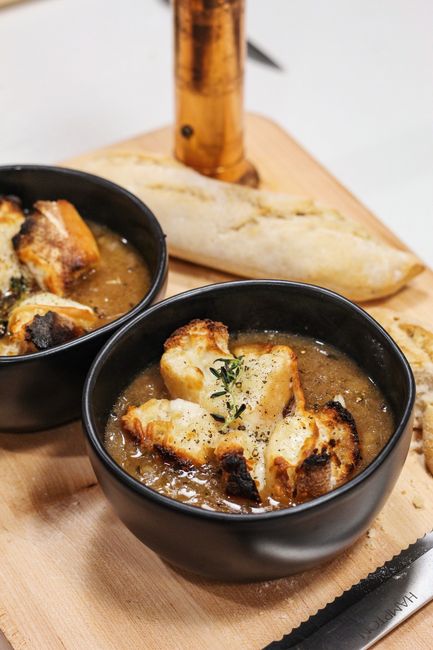
Vegetarian French Onion Soup: A Deep Dive into Flavor and Technique
French onion soup, a classic comfort food, is traditionally a rich beef broth infused with deeply caramelized onions and topped with a crusty baguette and Gruyère cheese. Recreating this iconic dish without meat presents a unique culinary challenge, requiring careful attention to developing deep, savory flavors that mimic the umami profile of traditional broth. The heart of any successful vegetarian French onion soup lies in the meticulous caramelization of onions, the choice of aromatic liquids, and the thoughtful selection of vegetarian substitutes for the dairy and meat components. This article explores the essential elements of crafting an exceptional vegetarian French onion soup, from selecting the right onion varieties to achieving the perfect cheesy, toasty topping, offering insights into techniques that build complex flavor layers without relying on animal products.
The foundation of any great French onion soup, vegetarian or otherwise, is the onion. The type of onion used significantly impacts the final flavor. While yellow onions are the most common and readily available, a blend can offer a more nuanced sweetness and depth. Sweet onions, such as Vidalia or Walla Walla, contribute a natural sweetness that intensifies during caramelization, reducing the need for added sugar. Red onions, while adding a beautiful hue, can sometimes lend a slightly sharper, more pungent note, so they are best used in smaller quantities or blended with milder varieties. Shallots, though technically a different allium, can also be incorporated to add a delicate, sweet, and slightly garlicky undertone that complements the onion flavor beautifully. For optimal caramelization, it’s crucial to slice the onions uniformly. Thin, even slices ensure that all the onion pieces cook at a similar rate, preventing some from burning while others remain undercooked. A mandoline slicer is an invaluable tool for achieving this consistency, although a sharp knife and patient hands will suffice. The sheer volume of onions needed might seem daunting, as they shrink considerably during the cooking process. A good rule of thumb is to start with at least two pounds of onions for a batch serving four people.
The caramelization process is the single most critical step in developing the deep, rich flavor of French onion soup. This is not a rapid sauté; it’s a slow, deliberate transformation of sugars within the onions. The goal is to coax out their inherent sweetness and develop complex Maillard reaction compounds, which contribute to the characteristic savory depth and brown color. This process can take anywhere from 45 minutes to over an hour, depending on the heat and the quantity of onions. The onions should be cooked over medium-low to medium heat, stirring frequently to prevent sticking and burning. As the onions begin to soften and release their moisture, they will transition from a translucent white to a pale yellow, then to a golden brown, and finally to a deep, mahogany hue. Deglazing the pan with a liquid at strategic points can help lift any browned bits from the bottom of the pot, incorporating them back into the onions and contributing to the overall flavor. Water, vegetable broth, or even a splash of wine can be used for this purpose. Patience is key; rushing this stage will result in a soup that lacks the characteristic depth and complexity. Resist the urge to crank up the heat to speed things up, as this can lead to burnt, bitter onions.
Once the onions are deeply caramelized, the liquid base of the soup becomes paramount in a vegetarian rendition. Traditional French onion soup relies on beef stock for its rich, savory foundation. To replicate this depth without meat, a robust vegetarian broth is essential. This can be achieved through several methods. A high-quality store-bought vegetable broth is a good starting point, but it often benefits from enhancement. Building your own vegetable broth from scratch using aromatic vegetables like carrots, celery, onions (unsweetened), garlic, leeks, and herbs such as thyme and bay leaves provides a more customizable and flavorful base. For an even more intense umami profile, consider incorporating ingredients that are naturally rich in glutamates. Dried mushrooms, particularly shiitake, are a powerhouse of savory flavor. Soaking dried mushrooms in hot water and then using both the rehydrated mushrooms (chopped and added to the soup) and the mushroom-soaking liquid (strained and added to the broth) can dramatically enhance the soup’s depth. Nutritional yeast is another excellent vegetarian ingredient that imparts a cheesy, nutty, and umami flavor, mimicking some of the savory notes of aged cheese and beef broth.
The choice of liquid for the broth also plays a significant role in flavor development. While water can be used, it lacks the inherent flavor that forms the backbone of this soup. A good vegetable broth is crucial. However, for that extra layer of complexity often found in traditional French onion soup, incorporating a splash of dry white wine or sherry is highly recommended. The alcohol evaporates during cooking, leaving behind a subtle acidity and fruity note that balances the sweetness of the caramelized onions and adds a sophisticated dimension to the broth. Some chefs also advocate for a small amount of balsamic vinegar added towards the end of the cooking process to brighten the flavors and add a touch of acidity. The key is to find a balance where these additions complement, rather than overpower, the star ingredient: the caramelized onions.
Seasoning is another critical element in achieving a well-rounded vegetarian French onion soup. Salt is, of course, essential for enhancing all the other flavors. However, beyond salt and pepper, consider incorporating other seasonings that can bolster the savory profile. A bay leaf added during the simmering phase contributes an aromatic, herbaceous note. Fresh thyme sprigs are a classic pairing with onions and add a subtle earthy and minty aroma. Some recipes benefit from a pinch of smoked paprika, which can impart a subtle smokiness reminiscent of slow-cooked meats. For an extra kick of umami, a dash of soy sauce or tamari can be a secret weapon, adding depth without altering the soup’s visual appearance. However, use these sparingly, as they can easily make the soup too salty. The aim is to create a symphony of flavors where the sweetness of the onions, the richness of the broth, and the subtle aromatics harmonize perfectly.
The topping for French onion soup is iconic: a thick slice of crusty bread, generously covered with melted cheese. For the vegetarian version, this remains a crucial element. The bread serves as a vessel to absorb the flavorful broth and provides a delightful textural contrast. A day-old baguette or a rustic country loaf with a sturdy crust is ideal. The bread should be sliced thickly, about one inch, and lightly toasted or broiled before being placed atop the soup. This pre-toasting helps prevent the bread from becoming overly soggy too quickly. When it comes to the cheese, the traditional choice is Gruyère, known for its nutty flavor and excellent melting properties. For a vegetarian option, many hard cheeses are rennet-free. However, for a strictly vegan soup, or for those seeking a plant-based alternative, there are excellent vegan Gruyère or mozzarella-style shreds available that melt well and offer a cheesy flavor. Alternatively, a blend of vegan cheeses can be used for added complexity. Some recipes also call for a sprinkle of Parmesan cheese, which can be replicated with a vegetarian Parmesan alternative or even a sprinkle of finely ground toasted nuts mixed with nutritional yeast for a similar savory, slightly nutty profile.
The assembly and broiling process is the grand finale. Ladle the hot soup into oven-safe bowls or crocks. Place a thick slice of toasted bread on top of each bowl. Generously cover the bread with your chosen cheese. Place the bowls on a baking sheet (to catch any drips) and broil them in the oven until the cheese is melted, bubbly, and beautifully golden brown. This step requires vigilance, as broilers can quickly turn cheese from perfectly golden to burnt. The goal is a rich, melted, and slightly browned cheesy cap that, when broken through, yields a stream of delicious, savory soup. The aroma that fills the kitchen at this stage is unmistakable and indicative of a successful, deeply flavored vegetarian French onion soup.
Beyond the core components, a few advanced techniques can elevate vegetarian French onion soup to new heights. Aging the caramelized onions slightly by allowing them to cool and then briefly refrigerating them can further develop their sweetness and deepen their flavor. Experimenting with different types of deglazing liquids can also yield interesting results. Instead of just water or broth, consider a splash of apple cider vinegar for a tangy sweetness, or even a dark ale or stout for a more robust, malty undertone that pairs beautifully with the caramelized onions. For a thicker soup, a small amount of flour can be added to the caramelized onions before the liquid is introduced, creating a roux that will thicken the broth. However, for a lighter, more traditional broth, this step can be omitted. Ensuring the soup is seasoned to perfection is paramount, and tasting and adjusting salt levels throughout the cooking process is crucial. The savory depth achieved in a vegetarian French onion soup is a testament to the power of slow cooking, careful ingredient selection, and thoughtful seasoning, proving that classic comfort food can be deliciously reinvented without meat.
