
Vegetarian Sweet And Sour Meatballs
Vegetarian Sweet and Sour Meatballs: A Flavorful and Guilt-Free Delight
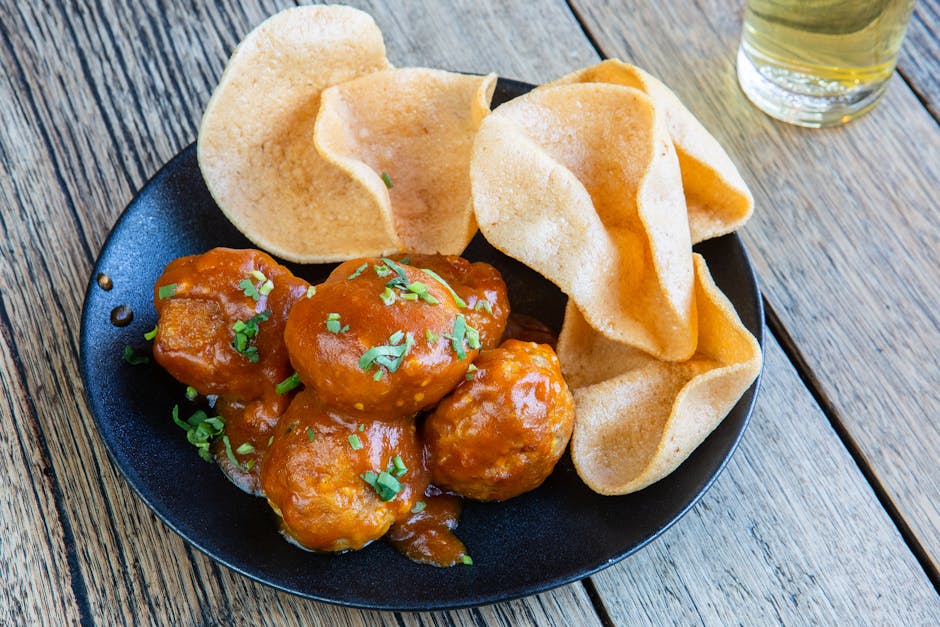
Vegetarian sweet and sour meatballs offer a sensational alternative to their traditional meat-based counterparts, delivering a symphony of sweet, tangy, and savory flavors that will captivate your taste buds. This dish is not only a crowd-pleaser but also a healthier and more sustainable option, perfect for vegetarians, vegans (with a few simple substitutions), and anyone seeking a delicious meatless meal. The beauty of vegetarian meatballs lies in their versatility; they can be crafted from a variety of plant-based ingredients, each contributing unique textures and nutritional benefits. Common bases include lentils, mushrooms, beans, and even finely chopped vegetables, bound together with breadcrumbs, oats, or flax eggs. This recipe focuses on a robust blend that mimics the satisfying chewiness of traditional meatballs while absorbing the vibrant sweet and sour sauce beautifully. The key to achieving that perfect "meatball" consistency without meat is careful ingredient selection and proper binding. For instance, cooked lentils provide a hearty foundation, while finely minced mushrooms contribute umami and a pleasing, slightly meaty texture. A touch of vital wheat gluten can further enhance chewiness for those not avoiding gluten. Seasoning is paramount; a well-seasoned vegetarian meatball base is crucial to prevent a bland outcome. Garlic, onion powder, nutritional yeast (for a cheesy, savory note), herbs like parsley and thyme, and a good pinch of salt and pepper are essential building blocks. The sweet and sour sauce, the undisputed star of this dish, is a delightful balance of fruity sweetness and sharp acidity. Typically, it features a base of pineapple juice or crushed pineapple for natural sweetness and tropical flair, vinegar (rice vinegar or apple cider vinegar are excellent choices) for tang, and soy sauce or tamari for depth of flavor and saltiness. Cornstarch or arrowroot powder acts as a thickener, creating that luscious glaze that coats each meatball. A touch of brown sugar or maple syrup can further enhance the sweetness, while a dash of sriracha or red pepper flakes introduces a subtle hint of heat, adding another layer of complexity. The visual appeal of this dish is also noteworthy; the vibrant orange-red hue of the sauce against the golden-brown meatballs is as inviting as its aroma.
The preparation of vegetarian sweet and sour meatballs can be broken down into several distinct, yet manageable, stages. First, the creation of the meatball base. This involves cooking your chosen legume or grain base until tender. For lentils, a simple boil until soft is sufficient. Mushrooms should be sautéed to remove excess moisture and intensify their flavor. Once the base is prepared and cooled slightly, it’s time for the binders and flavorings. In a large mixing bowl, combine the cooked and mashed base ingredients with finely chopped aromatics like sautéed onions and garlic, breadcrumbs, a binding agent (like a flax egg made from one tablespoon of ground flaxseed mixed with three tablespoons of water, or regular eggs if not vegan), and your chosen seasonings. The mixture should be moist enough to hold together when rolled but not so wet that it becomes mushy. Gently mix the ingredients until just combined, being careful not to overwork the mixture, which can lead to tough meatballs. Roll the mixture into uniform-sized balls, approximately one to one-and-a-half inches in diameter. Uniformity ensures even cooking. For optimal texture and flavor development, baking the meatballs is often preferred over frying, though pan-frying is also a viable option. Preheating your oven to 400°F (200°C) is essential. Arrange the rolled meatballs on a baking sheet lined with parchment paper, leaving a little space between each one to allow for even browning. Bake for 20-25 minutes, or until they are firm to the touch and have developed a golden-brown exterior. This baking process not only cooks the meatballs through but also creates a slightly crispy exterior that holds up well in the sauce. If pan-frying, heat a tablespoon or two of oil in a non-stick skillet over medium-high heat. Carefully add the meatballs, ensuring not to overcrowd the pan, and cook, turning occasionally, until browned on all sides. This method can result in a crispier exterior.
Concurrently with or after the meatballs are baking, the sweet and sour sauce can be prepared. In a saucepan, combine your liquid base – typically pineapple juice, water, or a combination – with your sweetener (brown sugar, maple syrup, or agave nectar), your acid (rice vinegar, apple cider vinegar, or white vinegar), and your savory element (soy sauce, tamari, or coconut aminos). Bring this mixture to a simmer over medium heat, allowing the flavors to meld. In a small bowl, whisk together cornstarch or arrowroot powder with a tablespoon or two of cold water to create a slurry. Gradually whisk this slurry into the simmering sauce. Continue to cook, stirring constantly, until the sauce thickens to your desired consistency, a glossy, coat-your-spoon thickness. This usually takes a few minutes. Taste and adjust seasonings as needed, adding more sweetener for sweetness, more vinegar for tang, or more soy sauce for saltiness. Some recipes also call for the addition of ketchup or tomato paste for color and a subtle tomato undertone, or a pinch of ginger and garlic for added aromatic complexity. Once the meatballs are baked and the sauce is thickened, it’s time to bring them together. Gently add the baked meatballs to the thickened sauce. Stir carefully to ensure each meatball is fully coated. Allow them to simmer in the sauce for a few minutes, allowing the meatballs to absorb some of the sauce’s flavor and soften slightly. This step is crucial for integrating the components of the dish. The aim is not to overcook them at this stage, but rather to allow them to meld with the sauce.
Serving vegetarian sweet and sour meatballs is typically done over a bed of fluffy steamed rice, such as jasmine or basmati rice, which provides a neutral canvas for the vibrant flavors. The rice absorbs any excess sauce, making each bite a delightful experience. Garnishes play a significant role in both the visual appeal and the flavor profile. Toasted sesame seeds add a nutty crunch and visual appeal. Finely chopped green onions (scallions) offer a fresh, sharp counterpoint to the sweetness of the sauce. Thinly sliced red or green bell peppers, lightly sautéed or served fresh, provide a vibrant color contrast and a satisfying crunch. Some variations include chunks of fresh pineapple or mandarin orange segments, adding bursts of fruity sweetness and texture. For a bit of heat, a drizzle of sriracha or chili oil can be offered on the side. This dish is also excellent served with a side of steamed or stir-fried vegetables, such as broccoli, snap peas, or carrots, further enhancing its nutritional value and creating a complete meal. The versatility of vegetarian sweet and sour meatballs extends beyond just a main course. They can be served as an appetizer at parties or gatherings, skewered or in small ramekins, offering a flavorful bite-sized treat. Their ability to be made ahead of time also makes them a convenient option for busy weeknights.
The nutritional benefits of vegetarian sweet and sour meatballs are substantial, making them a heart-healthy and wholesome choice. Depending on the base ingredients used, they can be rich in protein, fiber, and various micronutrients. Lentil-based meatballs, for example, are an excellent source of plant-based protein and dietary fiber, promoting satiety and aiding digestion. They also provide essential minerals like iron and folate. Mushroom-based meatballs contribute antioxidants and B vitamins, while bean-based options offer additional fiber and protein. Opting for whole-wheat breadcrumbs or oats for binding increases the fiber content further. The sauce, while containing sugar, can be made with natural sweeteners, and the acidity from the vinegar can aid in digestion. By controlling the amount of oil used in baking or pan-frying, the overall fat content can be managed. Compared to traditional meatball recipes, vegetarian versions often have a lower saturated fat and cholesterol content. This makes them an ideal choice for individuals managing their cardiovascular health or those looking to incorporate more plant-forward meals into their diet. The vibrant colors of the vegetables often incorporated into the sauce or served alongside also indicate a good source of vitamins and antioxidants.
For those adhering to a vegan diet, the conversion to vegan sweet and sour meatballs is straightforward. As previously mentioned, a flax egg or chia egg can be used as a binder in place of traditional eggs. Ensuring all other ingredients in the meatball base are plant-based is essential. For the sauce, the use of maple syrup or agave nectar instead of honey (if honey is used in a particular recipe) is crucial. The base ingredients for the meatballs themselves are naturally vegan, focusing on legumes, grains, and vegetables. The key is careful attention to every component. Many store-bought breadcrumbs are vegan, but it’s always wise to check labels. Soy sauce and tamari are typically vegan, as are rice vinegar and most common sweeteners. The thickening agents, cornstarch and arrowroot powder, are also plant-based. This makes vegan sweet and sour meatballs a perfectly achievable and delicious meal for those following a strictly plant-based lifestyle. The inherent flexibility of the dish allows for numerous ingredient swaps and additions to cater to specific dietary needs and preferences, such as gluten-free options by using gluten-free breadcrumbs or oats and ensuring all other components are certified gluten-free.
Beyond the classic preparation, there are numerous creative variations of vegetarian sweet and sour meatballs. Experimenting with different flavor profiles for the meatball base is a great starting point. For an Asian-inspired twist, incorporate finely grated ginger, garlic, and a splash of sesame oil into the meatball mixture. A touch of chili paste can add a subtle kick. For a more Mediterranean feel, consider using finely chopped zucchini, bell peppers, and herbs like oregano and basil, binding them with feta cheese (if not vegan) and breadcrumbs. The sweet and sour sauce itself can also be customized. Adding a splash of orange juice alongside pineapple juice can create a more citrusy sweetness. A hint of ginger and garlic sautéed before adding the liquids can deepen the savory notes. For a spicier sauce, increase the amount of red pepper flakes or add a finely minced fresh chili pepper. A peanut butter or almond butter swirl in the sauce can add a creamy, nutty dimension, transforming it into a satay-inspired glaze. Adding chopped cashews or peanuts to the sauce as it thickens provides a delightful crunch. The possibilities for customization are virtually endless, allowing for a personalized culinary experience with every batch. This adaptable nature is one of the key reasons vegetarian sweet and sour meatballs remain a beloved and frequently prepared dish. Whether seeking a quick weeknight meal or an impressive dish for entertaining, this recipe delivers on flavor, satisfaction, and wholesomeness.
