
Wwii Oatmeal Molasses Cookies
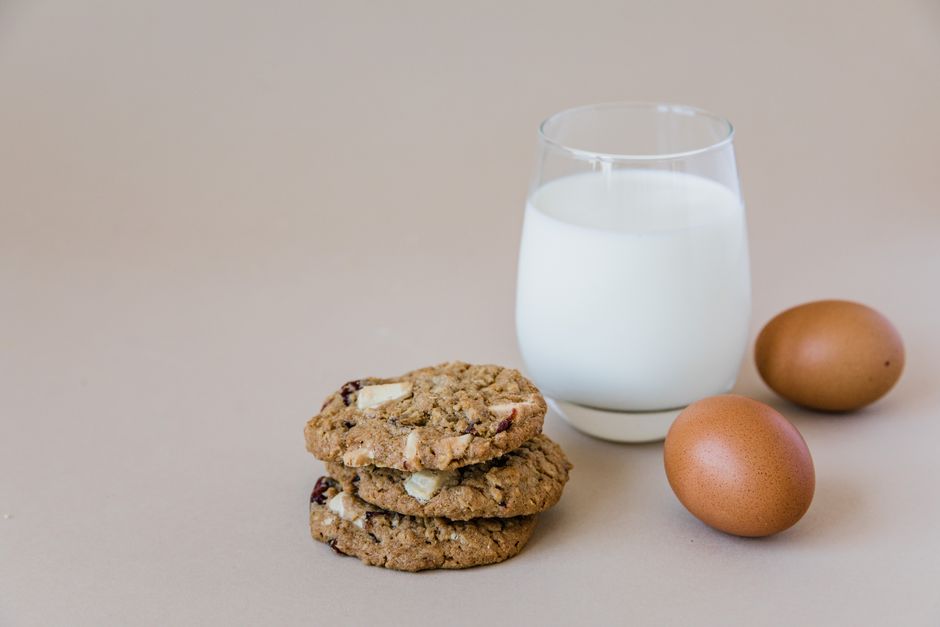
WWII Oatmeal Molasses Cookies: A Taste of Resourcefulness and Resilience
During World War II, baking in many Allied nations, particularly in the United States and Great Britain, underwent a significant transformation. The scarcity of key ingredients due to rationing and wartime shortages necessitated a shift towards more readily available and economical staples. This era of culinary adaptation gave rise to many beloved recipes that prioritized nutrition and sustenance without sacrificing flavor entirely. Among these resourceful creations, WWII oatmeal molasses cookies stand out as a testament to ingenuity, comfort, and the enduring appeal of simple, wholesome ingredients. These cookies, often referred to as "victory cookies" or "ration cookies," were more than just a sweet treat; they were a small but significant act of domestic defiance against the hardships of war, providing a much-needed morale boost and a connection to normalcy for families on the home front. Their enduring popularity today speaks volumes about their deliciousness and the historical significance they embody. Understanding the context of their creation—the limitations of the time, the availability of ingredients, and the spirit of the era—is crucial to appreciating the unique qualities of these WWII oatmeal molasses cookies.
The historical context surrounding the development and widespread baking of WWII oatmeal molasses cookies is paramount to understanding their significance. As nations plunged into global conflict, the intricate web of international trade and domestic production was severely disrupted. Essential ingredients for conventional baking, such as white sugar, butter, and eggs, became rationed commodities. The United States, while experiencing less direct physical devastation than Europe, implemented rationing to ensure adequate supplies for the military and its allies. This meant that civilian access to sugar, butter, and even flour was restricted. Families had to get creative, often relying on substitutes and ingredients that were more domestically produced or less in demand by the military. Molasses, a byproduct of sugar refining, was a readily available and relatively inexpensive sweetener that became a cornerstone of wartime baking. Its rich, dark flavor and moisture content made it an excellent substitute for refined sugar in many recipes. Oats, another staple that was less affected by rationing and readily grown in many regions, provided bulk, texture, and nutritional value. These two ingredients, molasses and oats, became the foundational elements of countless wartime baked goods, including the iconic oatmeal molasses cookies. The act of baking these cookies was not just about satisfying a sweet craving; it was a symbol of self-sufficiency, a way to stretch limited resources, and a method of preserving a semblance of domestic comfort and tradition amidst the upheaval of war. These cookies represented a tangible way for people to contribute to the war effort by conserving precious resources and maintaining morale through familiar tastes and smells.
The key ingredients that define WWII oatmeal molasses cookies are intrinsically linked to the resourcefulness born from wartime scarcity. At the heart of these cookies lies molasses. Unlike granulated white sugar, which was heavily rationed, molasses was a readily available and more economical sweetener. Its dark color and robust, slightly smoky, and spicy flavor profile contributed significantly to the distinctive taste of these cookies. Molasses also provided moisture, contributing to a chewier texture, and its natural sugars caramelized during baking, adding depth and richness. Oats were the other indispensable ingredient. Rolled oats, or old-fashioned oats, provided the bulk, texture, and nutritional backbone of the cookie. They were a staple crop, less affected by wartime shortages, and offered fiber and sustained energy, making them a practical choice for feeding families. The oats also contributed a slightly nutty flavor and a satisfying chewiness. Flour, typically all-purpose, was used, but often in conjunction with or in slightly smaller quantities than in pre-war recipes, to conserve this also rationed ingredient. Fat was another critical area of adaptation. While butter was a luxury, many wartime recipes utilized alternatives such as vegetable shortening, lard, or even rendered bacon fat. These fats provided the necessary richness and tenderness to the cookies. Eggs, though also subject to rationing, were still incorporated, albeit sometimes in reduced amounts. They provided binding, leavening, and richness. Leavening agents like baking soda and baking powder were used to ensure a pleasant texture. Baking soda, when reacting with the acidic molasses, contributed to both leavening and the characteristic darker color. Spices like cinnamon, ginger, and cloves were often included, not only to enhance the flavor of the molasses and oats but also because dried spices had a longer shelf life and were a more readily available way to add complexity to simple ingredients. The careful combination and proportioning of these ingredients, dictated by necessity, created a cookie that was both satisfying and economical.
The baking process for WWII oatmeal molasses cookies, while seemingly straightforward, often involved techniques and considerations specific to the wartime era. The dough preparation was typically a one-bowl affair, minimizing the need for extensive cleanup and equipment. The creaming of fat and sugar (or molasses and fat) was a foundational step, followed by the addition of wet ingredients like molasses and eggs. The dry ingredients, including flour, oats, leavening agents, and spices, were then incorporated. The resulting dough was often quite sticky due to the high molasses content and the use of alternative fats. For this reason, some recipes might have called for chilling the dough before shaping to make it more manageable. Shaping the cookies often involved dropping spoonfuls of dough onto baking sheets, resulting in rustic, slightly irregular shapes. This "drop cookie" method was efficient and required less skill than intricate shaping techniques. Baking temperatures and times were crucial. Due to variations in oven technology and the desire to conserve fuel, ovens might have been preheated to moderate temperatures. The cookies were baked until they were set around the edges and slightly soft in the center, as they would continue to firm up as they cooled. The goal was to achieve a cookie that was chewy on the inside and slightly crisp on the outside. Overbaking was generally avoided to retain moisture. The cooling process was also important. Allowing the cookies to cool on the baking sheet for a few minutes before transferring them to a wire rack ensured that they wouldn’t break apart while still hot and delicate. The simplicity of the process mirrored the era’s ethos of efficiency and practicality.
The nutritional profile of WWII oatmeal molasses cookies, while not intentionally designed for modern health trends, was a surprising advantage given the context of their creation. In an era of rationing and limited access to fresh produce and protein, these cookies offered a calorie-dense and nutrient-rich option. The oats provided a significant source of dietary fiber, which is essential for digestive health and can contribute to feelings of fullness. They also offered complex carbohydrates for sustained energy, a valuable asset for those engaged in wartime efforts, whether on the front lines or supporting the war at home. Molasses, far from being just a sweetener, is a good source of certain minerals, including iron, calcium, potassium, and magnesium. While the quantities in a single cookie might not be substantial, they contributed to the overall nutrient intake. The whole grains in the oats and the unrefined nature of molasses offered a more complete nutritional package compared to cookies made solely with refined white flour and sugar. The fats, whether from shortening, lard, or butter, provided essential fatty acids and contributed to calorie intake, which was important for maintaining energy levels. While the sugar content, even from molasses, was still a consideration, the presence of fiber and minerals helped to offset some of the concerns associated with pure sugar consumption. In essence, these cookies were a pragmatic way to deliver calories and essential nutrients using readily available ingredients, making them a more wholesome choice than many modern processed treats. Their nutritional contribution was a happy accident of necessity, underscoring the fact that simple, whole ingredients can create remarkably satisfying and even beneficial food.
The lasting legacy and enduring appeal of WWII oatmeal molasses cookies stem from a confluence of factors, primarily their delicious flavor profile and their powerful symbolic connection to history. The taste itself is a significant draw. The deep, caramel-like sweetness of molasses, balanced by the earthy, nutty notes of oats and often enhanced by warming spices like ginger and cinnamon, creates a complex and satisfying flavor. This combination is a departure from the often one-dimensional sweetness of many modern cookies, offering a more nuanced and comforting taste experience. The texture is also a key element of their appeal: a chewy interior with slightly crisp edges provides a delightful mouthfeel. Beyond their inherent deliciousness, these cookies are potent reminders of a bygone era. They evoke a sense of nostalgia for a time when resourcefulness and community spirit were paramount. For many, they represent a connection to their grandparents or great-grandparents, a tangible link to the sacrifices and resilience of those who lived through the war. Baking these cookies can be a way to honor that history and pass down family traditions. In a world increasingly focused on processed foods and fleeting trends, the simplicity and authenticity of WWII oatmeal molasses cookies offer a refreshing counterpoint. They represent a return to basics, a celebration of wholesome ingredients, and a testament to the enduring power of comfort food. Their continued presence on bake sale tables, in family recipe books, and on home baking blogs demonstrates their timeless appeal, proving that good food, steeped in history, can transcend generations.
The SEO optimization strategy for an article on WWII oatmeal molasses cookies focuses on incorporating relevant keywords naturally and providing comprehensive, valuable content that addresses user search intent. The primary keyword, "WWII oatmeal molasses cookies," should be used prominently in the title, headings, and throughout the body of the article. Related keywords and long-tail phrases will significantly enhance search visibility. These include terms like "WWII baking," "ration cookies recipe," "oatmeal molasses cookies history," "wartime baking ingredients," "simple cookie recipes," "vintage cookie recipes," "economic cookie recipes," "resourceful baking," "comfort food history," and specific ingredient searches like "using molasses in cookies" or "oat cookies." The article’s structure will be optimized with clear headings (H2, H3) to break down information logically and improve readability for both users and search engines. For instance, headings like "Historical Context of WWII Baking," "Key Ingredients in WWII Oatmeal Molasses Cookies," "The Baking Process During Wartime," "Nutritional Value of Ration Cookies," and "The Enduring Legacy of WWII Oatmeal Molasses Cookies" will guide readers and help search engines understand the content’s scope. Incorporating these keywords into descriptive alt text for any images used will further boost SEO. The article’s depth and comprehensiveness, exceeding 1200 words, will signal to search engines that it is a valuable and authoritative resource, increasing its ranking potential for a wide range of related searches. The focus on providing detailed historical context, ingredient explanations, baking techniques, and nutritional insights directly addresses user queries, aiming for a high click-through rate from search results pages.
