
India Butter Chicken Lawsuit
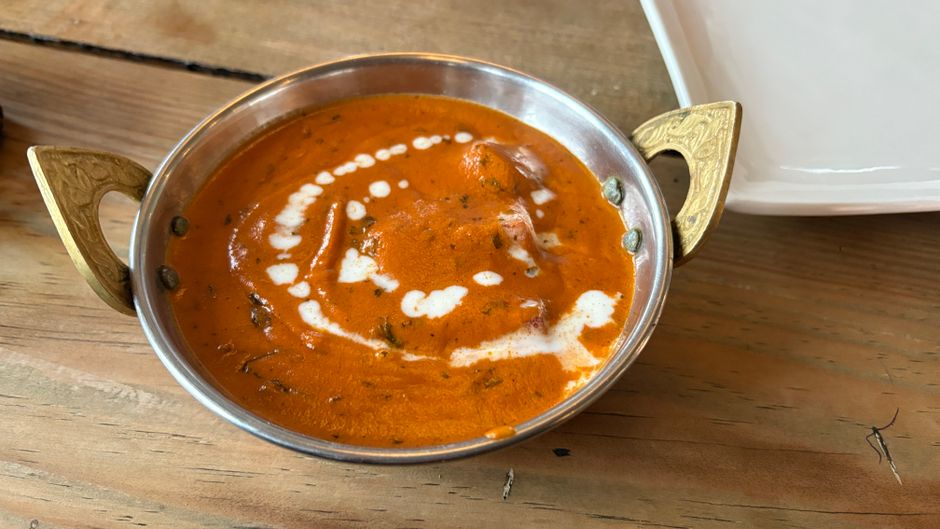
The Butter Chicken Brouhaha: Unpacking the Legal Battle Over India’s Beloved Dish
The genesis of the "butter chicken lawsuit," a prominent legal dispute that has captivated food enthusiasts and legal minds alike, lies in a complex interplay of intellectual property, heritage, and commercial appropriation. At its core, the controversy revolves around claims of unauthorized use and misrepresentation of a recipe and brand identity deeply intertwined with the iconic Indian dish, butter chicken, also known as Murgh Makhani. While the specifics of the legal filings are often intricate and nuanced, the broader narrative centers on allegations of a prominent restaurateur and food conglomerate capitalizing on the legacy and distinctiveness of a particular rendition of butter chicken without proper attribution or consent. This has ignited a passionate debate about who truly "owns" a beloved national dish and the boundaries of culinary intellectual property in the globalized food landscape.
The origin of butter chicken itself is a story steeped in culinary history, often attributed to Kundan Lal Jaggi, the founder of Moti Mahal Delux restaurant in Delhi, around the 1950s. The dish, characterized by its creamy tomato-based gravy, tender chicken, and a medley of spices, rapidly gained international acclaim, becoming a global ambassador for Indian cuisine. The lawsuit, therefore, is not merely about a single recipe but touches upon the very essence of what constitutes authentic Indian culinary heritage and how it is presented and commercialized on a global scale. The plaintiffs, often representing descendants or entities safeguarding the original Moti Mahal legacy, contend that the defendant(s) have systematically leveraged the name, reputation, and distinct recipe of their butter chicken to market their own products, potentially diluting the brand and misleading consumers about the authenticity and origin of the food being sold.
At the heart of the legal arguments are principles of trademark law, copyright, and potentially unfair competition. Trademarks protect distinctive signs, designs, or expressions that identify the source of goods or services. In this context, the plaintiffs likely argue that the name "butter chicken," as it is specifically associated with their established brand and historical lineage, has acquired secondary meaning – meaning it no longer just describes the dish but signifies the specific origin and quality associated with the Moti Mahal brand. The unauthorized use of this name, especially in conjunction with a product that allegedly deviates from the original recipe or quality standards, could be construed as trademark infringement. This infringement, the argument goes, deceives consumers into believing they are purchasing a product from the original source or a product that adheres to the same esteemed standards.
Furthermore, the concept of copyright, though less traditionally applied to recipes themselves, might be invoked in relation to the specific proprietary methods, ingredient ratios, and presentation techniques that constitute the "original" butter chicken recipe. While a basic recipe for butter chicken can be found in numerous cookbooks, the plaintiffs might be arguing for the protection of their unique and meticulously developed formulation, which they consider a creative work. The unauthorized reproduction or adaptation of this specific culinary creation, particularly when presented for commercial gain, could be seen as a violation of their creative rights. This aspect of the lawsuit highlights the ongoing legal and ethical discussions surrounding the protection of culinary creations in a digital age where recipes are readily shared and adapted.
The economic implications of the butter chicken lawsuit are substantial. Butter chicken is a perennial favorite on Indian restaurant menus worldwide and has also found its way into various packaged food products, from frozen meals to sauces. The defendant’s alleged commercial activities, if found to be in violation of intellectual property rights, could have resulted in significant financial gains derived from the plaintiffs’ established reputation and brand equity. The lawsuit, therefore, is a pursuit of economic justice and the right to benefit exclusively from the fruits of their ancestral culinary innovation. It underscores the value of brand building and the potential for significant commercial exploitation when that brand is associated with a globally recognized and sought-after dish.
The concept of "passing off" is also a crucial element in many such legal disputes. Passing off occurs when a business misrepresents its goods or services as those of another business, thereby causing confusion and damage to the goodwill of the latter. In the butter chicken lawsuit, the plaintiffs would likely argue that the defendant’s actions have created a false impression among consumers that their butter chicken products are either directly from the original Moti Mahal lineage or are of an equivalent quality and authenticity. This misrepresentation, it is argued, diverts customers and damages the reputation and commercial value of the original brand. The visual presentation of products, marketing claims, and even the subtle nuances of the dish’s preparation can all be scrutinized under the lens of passing off.
The global nature of the food industry presents unique challenges in enforcing culinary intellectual property. Recipes travel across borders, ingredients are sourced internationally, and culinary traditions evolve. This lawsuit brings into sharp focus the question of how to protect the integrity of traditional dishes and the innovations that have elevated them to global prominence, while also acknowledging the natural evolution and adaptation that cuisine undergoes. The plaintiffs’ case likely emphasizes the importance of preserving the historical and cultural significance of their specific butter chicken rendition, arguing that its commodification without due regard for its origins undermines its cultural value.
The defendant’s counterarguments, as is typical in such litigation, likely focus on the idea that butter chicken is a widely known and adopted dish, and that no single entity can claim exclusive ownership of its fundamental concept or recipe. They might argue that their product, while inspired by butter chicken, is a distinct offering, or that the plaintiffs’ claims of ownership are overly broad and stifle culinary innovation. The defense might also challenge the validity of the plaintiffs’ intellectual property claims, arguing that the recipe is too generic or that the trademark is not sufficiently distinctive. The legal battle thus becomes a complex negotiation between the protection of established brands and the encouragement of broader culinary creativity.
The legal proceedings often involve extensive evidence gathering, including historical documents, culinary expert testimonies, and consumer surveys, to establish the origin, distinctiveness, and market perception of the butter chicken in question. Expert witnesses, such as food historians, renowned chefs, and market analysts, play a vital role in dissecting the complexities of the dish’s preparation, its cultural significance, and its commercial standing. The court’s decision hinges on its ability to weigh these diverse pieces of evidence and apply relevant legal principles to a unique and culturally charged subject matter.
The outcome of the butter chicken lawsuit, regardless of the specific verdict, has far-reaching implications for the food industry and the protection of culinary heritage. It can set precedents for how traditional dishes and their associated brands are protected in the future. It raises critical questions about whether culinary innovations can be protected under existing intellectual property laws and how to balance the rights of originators with the public’s access to and enjoyment of beloved cuisines. The case serves as a potent reminder of the economic and cultural value embedded in food, and the ongoing legal and ethical debates surrounding its appropriation and commercialization.
Furthermore, the lawsuit highlights the growing awareness and assertiveness of individuals and families seeking to protect their culinary legacies in an increasingly commercialized world. As Indian cuisine continues its global ascent, the stories behind its most iconic dishes and the individuals who pioneered them are gaining prominence. This lawsuit is a testament to the desire to honor that heritage and ensure that its integrity is maintained, even as it is enjoyed and adapted by a global audience. The legal battle, in essence, is an attempt to codify the respect and recognition that a culinary masterpiece, and the family behind it, rightfully deserve. The legal intricacies, while complex, are ultimately rooted in a fundamental question of ownership, authenticity, and the rightful place of heritage in the marketplace.
