Vast Whale Shark Migration Routes Spanning Over Thirteen Nations and International Waters Demand a Paradigm Shift in Global Conservation Strategies


A recent landmark study has unveiled the astonishingly expansive migration routes of whale sharks (Rhincodon typus), revealing journeys that traverse the territorial waters of over thirteen countries and vast stretches of international ocean. Published in the esteemed journal Frontiers in Marine Science, this research critically challenges conventional conservation approaches, asserting that protection efforts focused solely on localized feeding or aggregation sites are fundamentally inadequate. The findings underscore the imperative to extend conservation initiatives to encompass these extensive migratory corridors and crucial open-ocean "rest areas" – vital stopovers for feeding and respite during their epic voyages.
This paradigm shift in understanding whale shark ecology arrives at a critical juncture for the species, currently listed as endangered by the International Union for Conservation of Nature (IUCN). With populations plummeting by an alarming 79 percent over the past 120 years, the need for comprehensive and internationally coordinated protection has never been more urgent. The study’s meticulous mapping of these transboundary movements paints a vivid picture of a species whose survival hinges on a holistic, ecosystem-wide approach to marine conservation.
The Enigma of Whale Shark Migration: From Local Hotspots to Global Highways
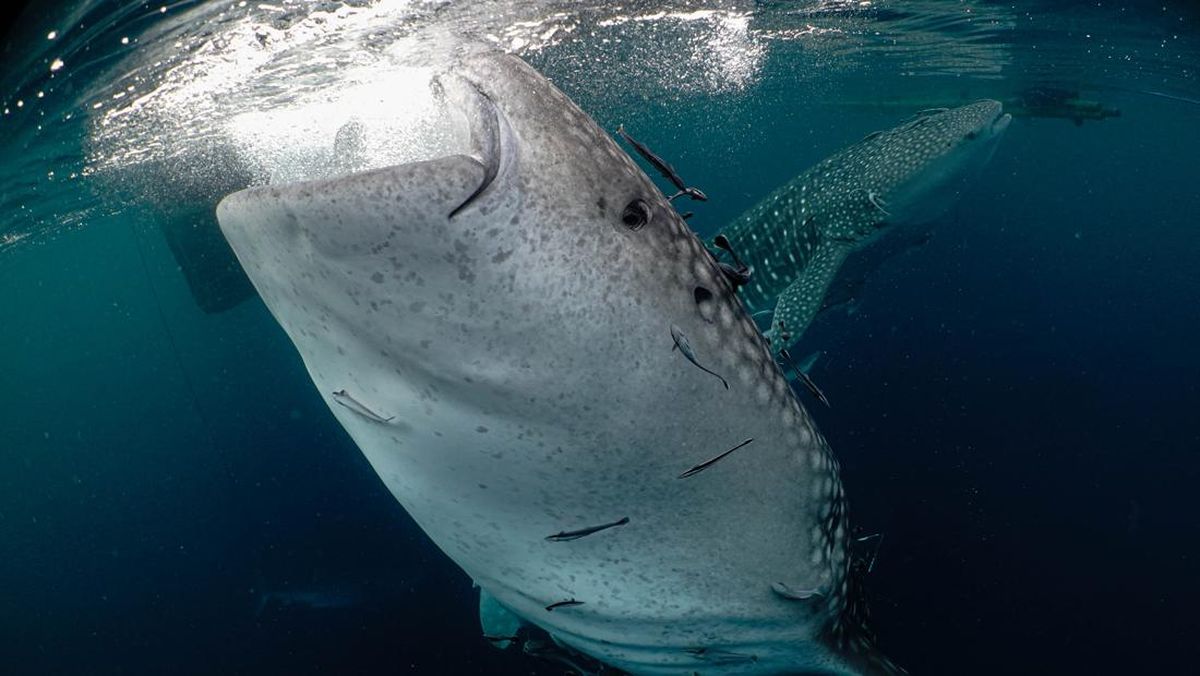
Whale sharks, the largest fish in the world, are iconic denizens of tropical and warm-temperate oceans, renowned for their docile nature and filter-feeding habits. Historically, conservation strategies for these magnificent creatures have largely centered on protecting known aggregation sites – areas where large numbers of whale sharks gather predictably, often for feeding on seasonal plankton blooms or for breeding. Locations such as Ningaloo Reef in Australia, the Galapagos Islands, Gladden Spit in Belize, and various sites in the Philippines and Indonesia have become focal points for research, ecotourism, and conservation efforts. While these hotspots remain critically important, the new research illuminates a more complex life cycle, revealing that these aggregations represent only a fraction of the species’ habitat use.
Prior to this study, the full extent of whale shark movements, particularly across vast oceanic distances, remained largely a mystery. Satellite tagging technology has gradually begun to peel back the layers of this enigma, but previous studies often focused on individual movements from specific sites without synthesizing data across multiple, geographically dispersed populations. The current research, however, stands out for its comprehensive scope, integrating data from several key aggregation areas within the Indo-Pacific, a region known for its high marine biodiversity and significant whale shark populations. This integrated approach has allowed scientists to piece together a much broader, more interconnected understanding of their migratory patterns, moving beyond the "where they appear" to "how and why they move."
The threats faced by whale sharks are numerous and escalating. Beyond direct fishing pressure, which includes targeted fisheries in some regions and accidental bycatch in gillnets and longlines, they are increasingly vulnerable to vessel strikes, plastic pollution, and habitat degradation. Climate change, leading to shifts in ocean currents and plankton distribution, also poses a significant long-term threat to their food sources and migratory cues. Understanding and protecting their full migratory pathways is therefore not just an academic exercise but a practical imperative to mitigate these diverse pressures across their entire life cycle.
Unraveling the Routes: A Decade of Satellite Tracking and Collaboration
The groundbreaking research, conducted over a period spanning from 2015 to 2025 (indicating a long-term, perhaps ongoing or recently concluded phase of data collection and analysis), involved an extensive effort to track 70 individual whale sharks. These animals were tagged at four primary aggregation sites across Indonesia, a nation recognized as a global hotspot for whale shark presence:
- Cenderawasih Bay, Central Papua: Famous for its unique interaction between whale sharks and local fishing platforms (bagans).
- Kaimana, West Papua: Another significant aggregation area in the Bird’s Head Seascape.
- Saleh Bay, West Nusa Tenggara: Identified as a crucial feeding habitat.
- Tomini Bay, Gorontalo: An important site in Sulawesi known for whale shark sightings.
The satellite tracking data meticulously captured the movements of these tagged individuals across the vast Indo-Pacific region, providing unprecedented insights into their post-aggregation dispersal and long-distance travels. The collaborative nature of the study was instrumental to its success, bringing together a diverse array of scientific and conservation expertise. Key institutions involved included Konservasi Indonesia, Elasmobranch Institute Indonesia, Universitas Indonesia, Universitas Diponegoro, and Conservation International. This multi-institutional and multidisciplinary approach allowed for a more comprehensive analysis, integrating biological data with oceanographic parameters and socio-economic considerations. Researchers from various fields – marine biology, oceanography, genetics, and conservation policy – pooled their knowledge to map complex movement patterns, identify critical habitats, and understand the environmental factors influencing these migrations. This integrated perspective is crucial for developing robust, evidence-based conservation strategies that can address the multifaceted challenges of protecting a highly migratory species.
Key Findings: A Dynamic, Interconnected Marine Ecosystem
The study’s findings represent a significant leap forward in understanding whale shark ecology. As highlighted by Iqbal Herwata, Focal Species Conservation Senior Manager at Konservasi Indonesia and lead researcher for this study, the research fundamentally alters the perception of whale shark conservation. "Now we not only know where whale sharks appear, but also how they move and what factors drive their movement," Herwata stated in a recent press release. "This shows that management cannot be location-based only, but must look at the entire interconnected marine ecosystem."
The research unequivocally demonstrates that whale sharks are not sedentary creatures dependent on a single location. Instead, they exhibit highly dynamic movements, transitioning between coastal waters and the open ocean, driven primarily by the availability of food and prevailing marine environmental conditions. This mobility necessitates a broader spatial and temporal scope for conservation efforts.
Crucially, the study revealed the dominance of "seasonal habitats" within the species’ range. Vast areas of the Indo-Pacific, including major seas such as the Flores Sea, Banda Sea, Seram Sea, and Timor Sea, extending into the southeastern Indian Ocean and parts of the Pacific Ocean, are utilized dynamically for both migration and foraging. These movements are profoundly influenced by complex oceanographic processes. For instance, upwellings, which bring nutrient-rich cold water to the surface, often trigger plankton blooms – the primary food source for whale sharks. Similarly, major ocean currents can act as "superhighways," facilitating energy-efficient long-distance travel. Understanding these oceanographic drivers is paramount for predicting whale shark movements and identifying critical, yet transient, habitats.
Furthermore, the research elucidated the functional differentiation of whale shark habitats. While aggregation sites like Saleh Bay serve as relatively stable feeding grounds throughout the year, exhibiting consistent foraging behaviors, the newly identified migratory corridors and open-ocean "rest areas" serve distinct purposes. These "rest areas" are akin to service stations along a highway, providing essential refueling and resting opportunities for the sharks as they traverse thousands of kilometers. This network of interconnected habitats – from coastal aggregation sites to deep-sea foraging grounds and oceanic migratory routes – underscores the need for a comprehensive conservation framework that recognizes and protects each component of this intricate system. The sheer geographical scale of these movements, traversing the Exclusive Economic Zones (EEZs) and international waters of over a dozen nations, mandates an unprecedented level of international cooperation.
Official Responses and the Call for Transboundary Stewardship
The implications of this study have resonated across the scientific and conservation communities, prompting calls for immediate and sustained action. Iqbal Herwata’s leadership in this research highlights the commitment of Indonesian conservation organizations to advancing the understanding of their nation’s rich marine biodiversity. The collaborative nature of the study, involving multiple universities and international NGOs, itself sets a precedent for how complex, large-scale conservation challenges can be tackled effectively.
While direct official statements from all involved governments are pending, the findings are expected to catalyze significant policy discussions. Indonesian authorities, particularly the Ministry of Marine Affairs and Fisheries, are likely to review existing marine protected area (MPA) networks and national conservation plans to integrate these new insights. Indonesia, as an archipelago nation with a significant portion of the Indo-Pacific’s whale shark population, holds a pivotal role in spearheading regional conservation initiatives.
On an international level, the study’s revelations will undoubtedly be presented to bodies such as the Convention on Migratory Species (CMS), under which whale sharks are listed in Appendix II, requiring international cooperation for their conservation. The CMS Secretariat and signatory nations will be urged to strengthen existing agreements and potentially establish new mechanisms for transboundary marine spatial planning. Conservation International and WWF, global leaders in marine conservation, are expected to leverage these findings to advocate for expanded funding for research, stricter regulations on fisheries operating in identified corridors, and the establishment of international marine protected areas. Experts from these organizations would likely emphasize that protecting these corridors requires not only political will but also innovative financing mechanisms and capacity building in developing nations along the migration routes.
Fisheries management organizations, both regional and international, will also need to take heed. The presence of whale sharks in vast international waters, where fishing activities are often less regulated, increases their vulnerability to accidental bycatch. The study provides crucial data that can inform the design of bycatch mitigation measures, such as time-area closures or gear modifications, in these newly identified migratory pathways. The shipping industry, too, could be engaged to identify high-traffic corridors that overlap with whale shark migration routes, potentially leading to dynamic speed restrictions or rerouting recommendations to reduce vessel strike risks.
Broader Impact and Implications: A Blueprint for Global Marine Conservation
The implications of this study extend far beyond the conservation of whale sharks alone, offering a blueprint for the protection of other highly migratory marine species and the health of the global ocean.
Policy and Governance:
- Strengthening International Agreements: The study highlights the critical need for enhanced adherence to and expansion of international agreements like CMS, the Convention on Biological Diversity (CBD), and regional fisheries management organizations (RFMOs). Bilateral and multilateral agreements between the 13+ nations identified in the migration routes will become essential.
- Transboundary Marine Protected Areas (MPAs): The traditional concept of MPAs, often focused on coastal or national waters, must evolve. The establishment of large-scale, networked transboundary MPAs or "conservation corridors" that span multiple jurisdictions and international waters is a logical next step. This presents significant legal and political challenges but is crucial for effective protection.
- Integrated Marine Spatial Planning: Governments and international bodies must adopt integrated marine spatial planning that considers the migratory needs of species alongside human activities such as fishing, shipping, and resource extraction.
- Data Sharing and Collaboration: The success of this study underscores the importance of open data sharing and collaborative research across borders to track and monitor highly mobile species.
Ecological Health and Ecosystem Services:
- Indicator Species: Whale sharks, as apex predators and filter feeders, serve as vital indicator species for the health of vast marine ecosystems. Protecting their migration routes implicitly safeguards the biodiversity and ecological processes within those corridors, including plankton communities, small fish, and other species that share these habitats.
- Genetic Connectivity: Maintaining healthy migratory routes ensures genetic exchange between different populations, enhancing resilience against environmental changes and disease. Disrupted migration can lead to isolated populations with reduced genetic diversity, making them more vulnerable to extinction.
- Carbon Sequestration: Healthy ocean ecosystems, supported by species like whale sharks, play a role in carbon sequestration. Protecting these vast marine areas contributes to climate change mitigation efforts.
Economic and Social Dimensions:
- Sustainable Ecotourism: The knowledge of migration routes can inform the development of responsible and sustainable ecotourism opportunities, providing economic benefits to coastal communities while fostering appreciation and support for conservation. Strict guidelines would be necessary to prevent disturbance to the animals.
- Fisheries Management: Data on migration pathways can assist in developing more precise and effective fisheries management strategies, reducing bycatch of non-target species and promoting sustainable fishing practices across broad ocean areas. This could include dynamic ocean management tools that adjust fishing zones based on real-time migratory data.
- Capacity Building: The study emphasizes the need for capacity building in marine science and conservation in developing countries that lie along these migration routes, enabling them to participate effectively in monitoring and protection efforts.
Challenges and the Path Forward:
Despite the clear scientific imperative, implementing these expanded conservation strategies presents formidable challenges. Enforcing regulations in vast international waters, often termed the "high seas," where national jurisdiction is limited, requires unprecedented levels of international cooperation and surveillance. Securing sustained funding for such large-scale, long-term conservation initiatives is another significant hurdle. Moreover, navigating the complex geopolitical landscape, reconciling diverse national interests, and fostering a shared sense of global marine stewardship will require persistent diplomatic efforts.
Ultimately, the study on whale shark migration is more than just a scientific breakthrough; it is a powerful call to action. It forces humanity to confront the interconnectedness of our planet’s marine ecosystems and the shared responsibility we bear for their stewardship. The survival of the whale shark, an ancient and majestic wanderer of the oceans, now rests on our collective ability to think beyond national borders and embrace a truly global vision for marine conservation. The future of these gentle giants, and indeed the health of the oceans they traverse, depends on a unified, concerted effort to protect not just their known homes, but the entire, intricate web of their watery world.