
Paul Mccartney Photography Beatles Brooklyn Museum
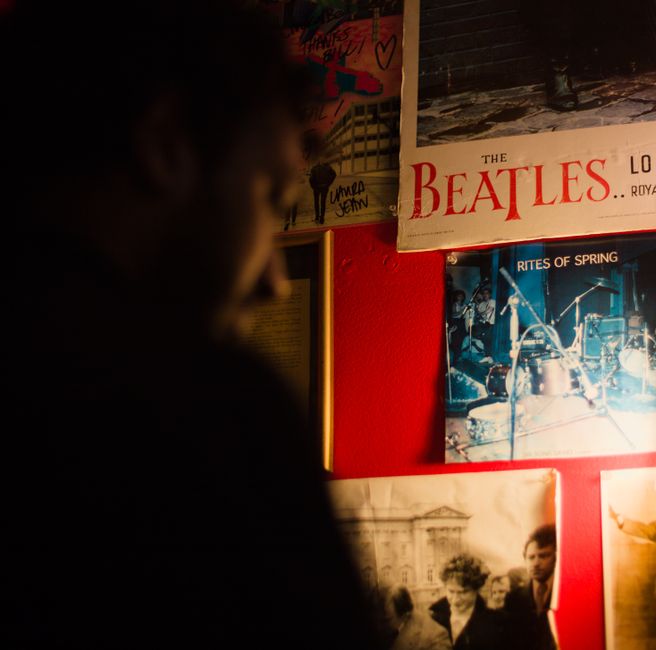
Paul McCartney’s Photography: An Intimate Glimpse into The Beatles’ World Exhibited at the Brooklyn Museum
The Brooklyn Museum currently hosts a captivating exhibition, "Paul McCartney Photographs 1963-64: Eyes of the Storm," offering a rare and unprecedented look into the inner sanctum of The Beatles through the lens of their own bassist and songwriter, Paul McCartney. This collection transcends the typical celebrity exhibition, delving into a period of intense creative fervor and global phenomenon that defined not only a generation but also the trajectory of modern music. McCartney’s candid, often unposed, photographs capture the raw energy, burgeoning fame, and personal moments of The Beatles as they navigated the dizzying ascent from local Liverpool band to international icons. Far from the polished, manufactured images often associated with stardom, these photographs reveal a more intimate, authentic perspective, demonstrating McCartney’s nascent artistic eye and his unique vantage point within the whirlwind of Beatlemania. The exhibition’s arrival at the Brooklyn Museum, a renowned institution with a rich history of showcasing diverse artistic expressions, provides a significant platform for audiences to engage with this historically significant body of work. This article will explore the exhibition’s key themes, McCartney’s photographic approach, the historical context of the images, and the enduring significance of this exhibition for both music and art enthusiasts.
The period of 1963-64 represents a pivotal juncture in The Beatles’ history. It was the year of their meteoric rise in the UK, culminating in their groundbreaking arrival in America in February 1964. This was the epoch of "Beatlemania," a cultural tsunami that swept across continents, characterized by screaming fans, unprecedented media attention, and a constant barrage of public appearances. Within this maelstrom, McCartney, armed with a modest Pentax camera, began documenting his experiences and those of his bandmates. These were not posed studio shots; they were snapshots taken in fleeting moments between soundchecks, on tour buses, in hotel rooms, and during the chaotic transitions of their lives. The photographs capture the raw, unvarnished reality of being a Beatle at the precipice of superstardom. We see John Lennon in candid repose, George Harrison gazing pensively, and Ringo Starr amidst the controlled pandemonium. McCartney’s subjects are not just his bandmates; they are also the fans, the cities they visited, and the mundane, yet significant, details of their daily existence. The exhibition, therefore, becomes a visual diary, offering a deeply personal narrative of a world-altering phenomenon from within.
McCartney’s photographic style, as evidenced in this exhibition, is characterized by its immediacy and intimacy. He eschews formal compositions for a more observational, almost voyeuristic, approach. His framing often feels spontaneous, capturing subjects off-guard and in their natural element. This contrasts sharply with the professional photographers documenting The Beatles at the time, whose work was invariably more polished and staged. McCartney’s images possess a natural grain and a certain rawness that speaks to their authenticity. There’s a palpable sense of being present, of witnessing these moments as they unfolded without the intrusion of a highly trained professional eye. This unpretentious aesthetic is precisely what makes the collection so compelling. It’s the perspective of a young man experiencing an extraordinary life, using photography as a personal record-keeping tool rather than an artistic statement. The exhibition highlights how even within the highly scrutinized environment of global fame, McCartney managed to carve out a space for personal observation and artistic expression. His use of black and white film further enhances the timeless quality of the images, imbuing them with a classic, almost nostalgic, feel that resonates with the enduring legacy of The Beatles.
The historical context of the exhibition is crucial to understanding its significance. The years 1963-64 witnessed The Beatles’ transition from a popular British band to a global cultural force. Their first album, Please Please Me, was released in March 1963, and by the end of the year, they were topping the charts and generating unprecedented levels of hysteria. The legendary Ed Sullivan Show appearance in February 1964, watched by an estimated 73 million viewers, cemented their status in America and propelled them into the global consciousness. McCartney’s photographs, taken during this whirlwind period, offer a unique counterpoint to the official narratives and media portrayals of this era. They provide a glimpse into the human side of the phenomenon, capturing the exhaustion, the camaraderie, and the sheer intensity of their daily lives. The images serve as a tangible reminder that behind the iconic haircuts and the mop-top image were four young men navigating an unprecedented level of fame and cultural impact. The exhibition at the Brooklyn Museum allows contemporary audiences to connect with this pivotal moment in history on a deeply personal level, fostering a greater understanding of the cultural forces that shaped the 1960s and beyond.
The Brooklyn Museum’s presentation of "Paul McCartney Photographs 1963-64: Eyes of the Storm" is a significant cultural event, offering a unique opportunity to engage with The Beatles’ legacy through a previously unseen artistic lens. The exhibition’s placement within a major art institution elevates McCartney’s photographic work beyond mere fan memorabilia, positioning it as a legitimate artistic endeavor. The museum’s curatorial approach likely emphasizes the aesthetic qualities of the photographs, their historical importance, and McCartney’s unique perspective. By showcasing these images alongside other significant works of art and historical artifacts, the Brooklyn Museum underscores the cultural impact of The Beatles and their enduring influence on popular culture and beyond. The exhibition’s SEO value lies in its ability to attract a broad audience, encompassing Beatles enthusiasts, photography aficionados, and individuals interested in 1960s history and culture. Keywords such as "Paul McCartney photography," "The Beatles Brooklyn Museum," "Beatlemania exhibition," "1960s photography," and "music history" are likely to be central to online searches, driving traffic to information about the exhibition.
The content of the photographs themselves offers a rich tapestry of themes. There are intimate portraits of John, George, and Ringo, revealing their individual personalities and their interactions with each other. We see McCartney’s girlfriend, Jane Asher, a presence in his life during this period, captured in unguarded moments. Beyond the band members, McCartney also photographs the landscapes of their journeys – the airports, the hotel rooms, the streets of unfamiliar cities. These images provide a sense of place and context, illustrating the peripatetic nature of their lives at the time. The sheer volume of photographs, reportedly numbering over 800, suggests a constant, almost compulsive, need for McCartney to document his surroundings. This act of photography can be interpreted as a coping mechanism, a way to process the overwhelming experiences and to maintain a sense of grounding amidst the chaos. The exhibition likely organizes these images thematically or chronologically, allowing viewers to trace the progression of The Beatles’ journey and McCartney’s evolving photographic eye. The selection of images for display would have been a meticulous process, aiming to showcase the most compelling and representative examples of his work from this critical period.
The significance of "Paul McCartney Photographs 1963-64: Eyes of the Storm" extends beyond its immediate appeal to Beatles fans. It offers a valuable contribution to the study of photography, particularly in the realm of amateur or personal photography that gains historical and artistic merit. McCartney’s work demonstrates how personal perspectives can offer invaluable historical insights. These images provide a corrective to the often-sanitized or sensationalized portrayals of celebrity and cultural phenomena. They remind us of the human beings behind the icons, their vulnerabilities, their everyday routines, and the personal bonds that sustained them. The exhibition also speaks to the evolving nature of authorship and artistic creation, showcasing how individuals can engage with artistic mediums in unexpected ways. For those interested in the intersection of music, art, and history, this exhibition is a must-see. Its accessibility at the Brooklyn Museum ensures that a wide audience can experience this extraordinary collection, fostering a deeper appreciation for both Paul McCartney’s artistic contributions and the enduring legacy of The Beatles. The exhibition’s success will undoubtedly be measured by its ability to spark conversation, inspire new interpretations, and solidify its place as a significant cultural event. The Brooklyn Museum, through its commitment to presenting such unique and historically important exhibitions, continues to solidify its reputation as a vital cultural hub.
