
Iran Missiles Pakistan Iraq
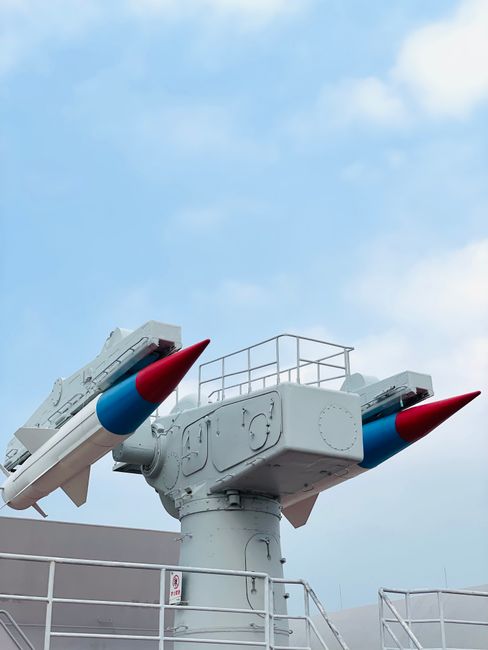
Iran’s Missile Capabilities and Regional Implications: Pakistan and Iraq
The Islamic Republic of Iran possesses a formidable and increasingly sophisticated ballistic and cruise missile program, a cornerstone of its asymmetric defense strategy and a significant factor shaping regional security dynamics, particularly concerning its neighbors Pakistan and Iraq. This extensive missile arsenal, developed over decades, serves multiple purposes: deterrence against potential adversaries, projection of power within the Middle East, and as a crucial element in its broader geopolitical ambitions. Understanding the scope and implications of Iran’s missile program necessitates an examination of its development, capabilities, and the complex interplay it has with Pakistan and Iraq.
Iran’s missile development trajectory began in earnest during the Iran-Iraq War (1980-1988). Facing a conventional military disadvantage against Iraq, which was supported by external powers, Iran recognized the strategic imperative of developing indigenous missile capabilities. Initially reliant on imported technologies from countries like North Korea, Iran steadily expanded its domestic production capacity. This evolution has resulted in a diverse array of short-range, medium-range, and increasingly, intermediate-range ballistic missiles (IRBMs), alongside a growing inventory of cruise missiles. The program has been characterized by a consistent focus on increasing range, accuracy, payload capacity, and survivability against missile defense systems. Key missile families, such as the Shahab, Sejjil, Qiam, and Fattah series, represent significant milestones in this ongoing development, with each iteration demonstrating advancements in performance. The Fateh series, for instance, are tactical ballistic missiles known for their precision and mobility, while the Sejjil has been touted as Iran’s first solid-fuel IRBM, offering improved launch preparation times and range. The recent unveiling of the Fattah, a hypersonic missile, underscores Iran’s ambition to stay at the forefront of missile technology, potentially posing a novel challenge to regional and global missile defense architectures.
The proliferation of Iranian missiles, whether through direct sales, tacit transfers, or licensed production, has direct implications for Pakistan. Pakistan itself is a nuclear-armed state with a well-established and independently developed ballistic missile program. The two nations share a long border and have historically maintained a complex relationship, characterized by periods of cooperation and underlying strategic competition. The presence of Iranian missiles, particularly those capable of reaching deep into Pakistani territory, introduces a new layer of strategic calculation for Islamabad. While direct conflict between Iran and Pakistan is not a primary concern, the regional security environment is inherently volatile. Any perceived threat from Iran’s missile capabilities necessitates reciprocal military modernization and robust deterrence postures from Pakistan. This can manifest in the development of more advanced missile defense systems, the enhancement of its own offensive missile capabilities, and strategic alliances. Furthermore, the potential for the indirect proliferation of Iranian missile technology to non-state actors or other regional players, a concern that frequently surfaces in international discourse, is a significant consideration for Pakistan, given its own history with militant groups. The border regions between Iran and Pakistan are often porous, raising questions about potential illicit arms transfers.
For Iraq, the implications of Iran’s missile program are even more direct and immediate. Following the 2003 US-led invasion, Iraq’s own military capabilities were significantly degraded. The subsequent rise of various militia groups, many with strong ties to Iran, has created a complex security landscape. Iran has been accused by international bodies and regional actors of supplying ballistic missiles and related technologies to these Iran-aligned militias within Iraq. These missiles, often of older Soviet or Iranian designs, are then used to target not only Iraqi government forces but also the presence of foreign military personnel, particularly from the United States and its allies. The frequent missile and drone attacks attributed to Iran-backed groups against bases hosting coalition forces in Iraq underscore the weaponization of Iranian missile technology in the country. This not only destabilizes Iraq internally but also creates a significant proxy confrontation between Iran and its adversaries, primarily the United States. The attribution of these attacks often involves complex intelligence assessments, but the general consensus among security analysts points to a significant role for Iranian support. The stated objective of these attacks is often to pressure foreign forces to withdraw from Iraq, but they invariably contribute to heightened tensions and the risk of escalation.
The strategic calculus driving Iran’s missile program is multifaceted. Deterrence is a primary objective. Iran views its missiles as an essential counterweight to the conventional military superiority of potential adversaries, particularly the United States and its regional allies like Saudi Arabia and Israel. The threat of retaliatory missile strikes, even if less sophisticated than those of potential attackers, aims to raise the cost of any direct military engagement to an unacceptable level. Furthermore, Iran employs its missile program as a tool of regional influence and coercion. By demonstrating its capability to strike targets at varying distances, Iran projects power and seeks to shape the strategic environment in its favor. This includes deterring actions it perceives as detrimental to its national interests and influencing regional power balances. The development and potential deployment of IRBMs capable of reaching targets beyond its immediate neighborhood are viewed by many as an attempt to establish a regional military hegemony or at least a significant deterrent posture against more distant powers.
The international community, particularly the United States and its allies, views Iran’s missile program with considerable apprehension. Concerns are centered on the potential for escalation, the destabilization of an already volatile region, and the risk of these missiles falling into the hands of non-state actors. Sanctions regimes have been imposed by various international bodies and individual nations with the aim of hindering Iran’s access to the technologies and materials necessary for its missile development. However, Iran has demonstrated remarkable resilience and ingenuity in circumventing these sanctions, often relying on clandestine procurement networks and its own advanced scientific and engineering capabilities. The debate over Iran’s nuclear program, while distinct from its missile capabilities, is intrinsically linked. The development of long-range ballistic missiles is a key technological prerequisite for delivering a nuclear warhead, and this synergy amplifies international concerns.
The interplay between Iran’s missile program, Pakistan, and Iraq is a crucial element of the broader Middle East security architecture. For Pakistan, the proximity and the shared border with Iran, coupled with its own strategic interests, necessitate a vigilant approach to Iranian missile developments. The potential for indirect proliferation and the need to maintain a credible deterrent posture against all regional threats shape Pakistan’s defense planning. For Iraq, the situation is more acute, with Iranian missiles and the proxies wielding them acting as a direct source of instability and a catalyst for regional proxy conflicts. The international community continues to grapple with how to effectively address the challenges posed by Iran’s missile program, balancing the need for regional stability with the imperative to prevent further proliferation and escalation. The strategic implications of Iran’s continued advancements in missile technology for its neighbors, particularly Pakistan and Iraq, will remain a defining feature of regional security for the foreseeable future, demanding constant diplomatic engagement, robust deterrence, and a nuanced understanding of the complex geopolitical forces at play. The ongoing development of hypersonic capabilities, such as the Fattah, represents a significant technological leap that could further complicate existing defense strategies and necessitate a re-evaluation of current missile defense architectures.
