Aksa Uyun Dananjaya and Yosika Ayumi Tie the Knot in Grand Javanese Celebration Hosted by Soimah Pancawati

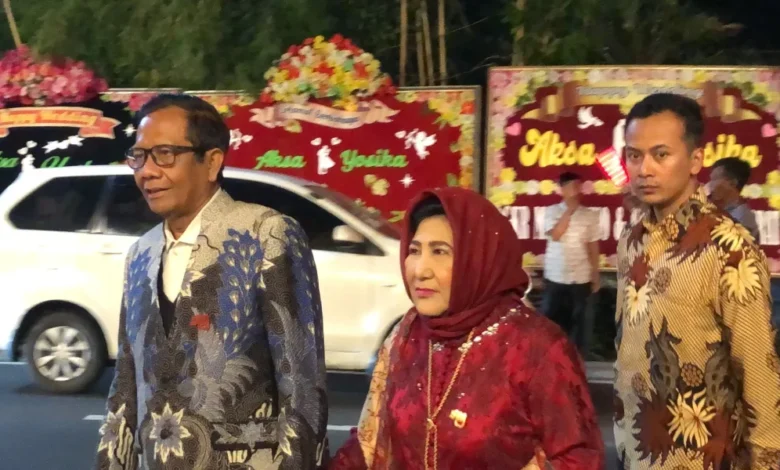
The Indonesian entertainment landscape recently turned its gaze towards Yogyakarta as Aksa Uyun Dananjaya, the eldest son of the esteemed multi-talented artist Soimah Pancawati, formally united in marriage with Yosika Ayumi. The highly anticipated nuptials unfolded over two significant days, commencing with a solemn akad nikah (marriage solemnization) on Friday, May 8, 2026, followed by a grand reception on Saturday, May 9, 2026. The ceremonies, imbued with deep Javanese cultural traditions, drew prominent figures from both the artistic and political spheres, reflecting the significant standing of Soimah and her family in Indonesian society.

The Sacred Vows: A Reverent Javanese Akad Nikah

The journey to marital bliss for Aksa and Yosika officially began with the akad nikah ceremony, held on Friday, May 8, 2026, at the elegant Pendopo Tulungo in Yogyakarta. This choice of venue underscores a profound commitment to heritage, as a ‘pendopo’ is a traditional Javanese open pavilion, often serving as the central ceremonial space in noble residences or cultural institutions. Its architectural design, typically featuring a large, open-sided structure with a soaring roof, inherently provides an atmosphere of solemnity and grandeur, perfectly suited for a sacred occasion like a wedding.

The ceremony itself was described as khidmat, a term in Indonesian that conveys a sense of reverence, solemnity, and deep respect. This is characteristic of Javanese wedding traditions, where every step is steeped in philosophical meaning and ancient customs. While the initial report briefly mentioned the Javanese nuances, a typical akad nikah for a family of Soimah’s background would encompass a series of symbolic rituals designed to bless the union and guide the couple into their new life.

Preceding the akad nikah, it is customary for Javanese weddings to include the Siraman ceremony, a ritual bathing performed by parents and respected elders to cleanse the bride and groom, both physically and spiritually, in preparation for their marriage. This is often followed by the Midodareni ceremony on the eve of the akad, a night where the bride remains secluded, and family members offer prayers and advice. These pre-wedding rituals are not merely formalities but serve as profound rites of passage, connecting the couple to their ancestors and community.

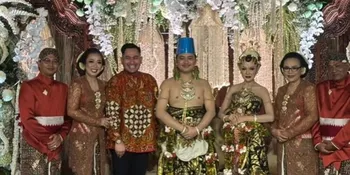
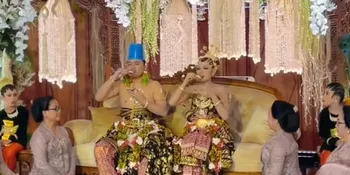
During the akad nikah itself, the core Islamic marriage contract (Ijab Kabul) would have been performed, where the groom, Aksa, formally accepts Yosika as his wife in the presence of witnesses, religious officials, and family. This pivotal moment is often accompanied by traditional Javanese elements, such as the Pangkon ceremony, where the parents symbolically embrace the couple, signifying their blessing and the continuation of the family line. The exchange of cincin (rings) and the signing of the marriage certificate are also integral parts, solidifying the legal and religious aspects of their union. The attire, undoubtedly traditional Javanese bridal wear such as elegant kebaya for the bride and a beskap or surjan for the groom, further amplified the cultural richness of the event, showcasing intricate patterns and luxurious fabrics that speak to generations of artistry.

The Grand Reception: A Confluence of Celebrity and Statesmanship

Following the intimate solemnization, the celebrations escalated with a lavish wedding reception held on Saturday, May 9, 2026. This event was a testament to Soimah Pancawati’s extensive network and respected position, as it saw a convergence of notable personalities ranging from fellow artists to high-ranking government officials. The presence of such an esteemed guest list transforms a personal family celebration into a significant social event, attracting considerable public and media attention.

Among the distinguished attendees were reportedly figures like Mahfud MD, a prominent Indonesian politician and academic, and Raffi Ahmad, one of Indonesia’s most influential and popular entertainment personalities. Their attendance, alongside many other unnamed artists and officials, underscores the wide-ranging influence and respect commanded by Soimah. Such gatherings are often vibrant showcases of Indonesian hospitality, featuring elaborate decorations, exquisite Javanese and international cuisine, and captivating entertainment.

A Javanese reception typically begins with the Panggih ceremony, a symbolic meeting of the bride and groom as husband and wife, often involving rituals like balangan gantal (throwing betel leaves) and injak telur (stepping on an egg), each carrying deep symbolic meanings related to fertility, mutual respect, and overcoming obstacles together. The couple would then proceed to the pelaminan (bridal dais), where they receive blessings and congratulations from their guests.

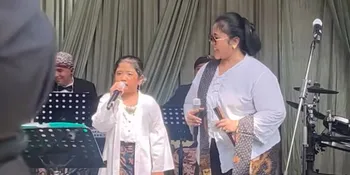
The entertainment at such a high-profile Javanese wedding would likely be a sophisticated blend of traditional and contemporary. Gamelan music, with its intricate melodies and rhythmic complexity, would have provided a quintessential Javanese ambiance, while live performances by popular musicians, perhaps even impromptu contributions from Soimah herself or her artist friends, would have added to the festive atmosphere. The decor, carefully curated to reflect Javanese aesthetics, would have transformed the venue into a breathtaking spectacle of floral arrangements, traditional textiles, and ornate lighting, creating an unforgettable experience for all present.

Soimah Pancawati: A Cultural Icon and Proud Mother
The wedding of Aksa Uyun Dananjaya cannot be fully appreciated without understanding the towering figure of his mother, Soimah Pancawati. Known affectionately as "Ma’e," Soimah is a force of nature in Indonesian entertainment. Hailing from Pati, Central Java, she has risen to prominence as a multifaceted artist – a powerful singer (especially in traditional Javanese sindhen style), a sharp-witted comedian, an engaging television presenter, and an esteemed judge in various talent shows. Her career is a testament to her versatility and her unwavering commitment to preserving and promoting Indonesian culture, particularly Javanese arts.
Soimah’s public persona is a unique blend of humble Javanese wisdom, fierce independence, and undeniable talent. She is known for her directness, her hearty laugh, and her deep connection to her roots. For her, the marriage of her eldest son is not just a personal milestone but also a continuation of family values and cultural heritage. Her decision to host the akad nikah and reception with such pronounced Javanese traditions in Yogyakarta, a city synonymous with Javanese culture, reflects her pride and dedication to these customs. It serves as a powerful message about the importance of cultural identity, even amidst the glitz and glamour of modern celebrity life. Her joy as a mother, witnessing her son embark on this new chapter, would undoubtedly have been palpable, radiating throughout the celebrations.
The Broader Implications: Culture, Society, and Media
The wedding of Aksa Uyun Dananjaya and Yosika Ayumi transcends a mere family affair; it becomes a cultural event of national interest, largely due to Soimah’s stature. Such events play a crucial role in the preservation and popularization of traditional Indonesian customs. In an increasingly globalized world, the spectacle of a celebrity wedding rooted deeply in Javanese tradition serves as a reminder and an inspiration for younger generations to appreciate their cultural heritage.
Yogyakarta, as a historical and cultural heartland of Java, provides the perfect backdrop for such a celebration. Its rich history, royal palaces, and vibrant arts scene offer an authentic experience that cannot be replicated elsewhere. The choice of Pendopo Tulungo not only adds to the aesthetic appeal but also grounds the event in a sense of timeless tradition.

From a social perspective, the gathering of artists, officials, and other prominent figures creates a unique platform for networking and strengthening social ties across various sectors. These events are often covered extensively by the media, providing a snapshot of the contemporary Indonesian social and cultural elite. The presence of influential figures like Mahfud MD and Raffi Ahmad signifies the event’s importance beyond mere entertainment, highlighting the intersection of celebrity, politics, and culture in Indonesia.

Economically, a wedding of this scale undoubtedly provides a significant boost to local businesses in Yogyakarta, from caterers and decorators to traditional costume makers, musicians, and event organizers. It showcases the intricate ecosystem that supports large-scale cultural events and the positive ripple effect it has on the local economy.

While no direct statements from Soimah were provided in the initial report, it can be logically inferred that she would express immense gratitude and happiness for her son’s marriage, emphasizing the blessings received and the importance of family and tradition. The couple, Aksa and Yosika, would undoubtedly share sentiments of profound joy, love, and hope for their future together, appreciative of the grand celebration orchestrated by their families. Guests, in turn, would offer heartfelt congratulations, marveling at the beauty of the ceremonies and the warmth of the hospitality.

Conclusion: A Union Blessed by Tradition and Love

The wedding of Aksa Uyun Dananjaya and Yosika Ayumi stands as a magnificent testament to love, family, and the enduring power of Javanese tradition. Orchestrated with the meticulous care and cultural pride characteristic of Soimah Pancawati, the two-day event transformed Yogyakarta into a focal point of celebration. From the solemn akad nikah steeped in ancient rituals to the star-studded reception uniting Indonesia’s prominent figures, every detail underscored a deep respect for heritage and a joyful embrace of new beginnings. As Aksa and Yosika embark on their marital journey, their union is not only a personal triumph but also a vibrant reaffirmation of Indonesia’s rich cultural tapestry, beautifully woven into the fabric of a modern celebrity celebration.