
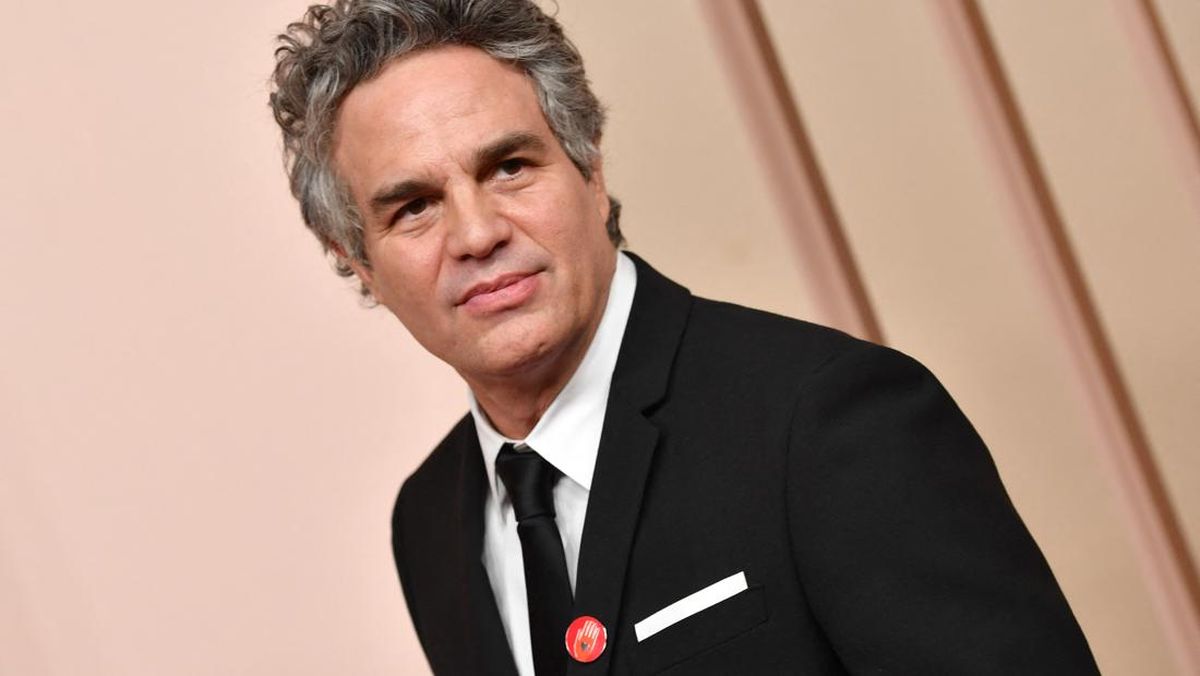
Jakarta, Indonesia – A significant undercurrent of fear and apprehension has permeated Hollywood, with acclaimed actor Mark Ruffalo asserting that numerous celebrities and industry figures are hesitant to openly oppose the proposed merger between Warner Bros. Discovery (WBD) and Paramount Global. Ruffalo, known for his roles in the Marvel Cinematic Universe and a vocal advocate for various social causes, co-authored an opinion piece with Matt Stoller, the research director for the American Economic Liberties Project, published in The New York Times. Their article, released on Sunday, May 10, 2026, alleges that a pervasive fear of blacklisting by powerful studios is preventing many artists from signing a petition against the colossal media consolidation.
The proposed merger, valued at an staggering US$110 billion, would see Paramount Global acquired by Warner Bros. Discovery in a cash transaction of US$31 per share. This monumental deal, formally announced on February 27, 2026, has ignited a fierce debate within the entertainment industry, pitting the economic imperatives of corporate consolidation against concerns for artistic freedom, market competition, and the livelihoods of thousands of creative professionals.
The Fear Factor: A Shadow Over Hollywood
Ruffalo and Stoller’s op-ed brought to light a disturbing aspect of the ongoing merger discussions: the reluctance of many industry professionals to voice dissent. While a petition opposing the merger, which began circulating in April 2026, garnered over 4,000 signatures from prominent figures like Florence Pugh, Pedro Pascal, Edward Norton, and esteemed directors Yorgos Lanthimos, Sofia Coppola, and Denis Villeneuve, the authors emphasized the significance of those who did not sign.
"The most revealing thing about the letter is not the people who signed it. It’s the people who didn’t," Ruffalo and Stoller wrote. "Not because they don’t agree – but because they’re afraid." They elaborated on a "deep, ugly, pervasive fear of speaking out," citing repeated instances where artists expressed support for the petition but declined to sign due to concerns over professional retaliation.
This fear, they argued, is not unfounded. The op-ed detailed two specific incidents underscoring the potential for reprisal. In one instance, Paramount reportedly pulled its advertising from The Ankler, an independent trade magazine, after its editorial director was seen at an event supporting the blocking of the merger. Another concerning revelation involved Ruffalo himself, whose proposed appearance on CNN for a discussion was allegedly rejected by a producer due to the network’s affiliation with WBD, its parent company. The producer reportedly cited "legal considerations about what can and cannot be covered or said while a merger is underway," suggesting a chilling effect on journalistic independence when corporate interests are at stake.
"This merger will cause a lot of harm in Hollywood, but one thing is already happening: People are afraid to say what they think about their own industry," Ruffalo and Stoller concluded, drawing a stark parallel to historical periods where concentrated power stifled dissent.
A Chronology of Consolidation and Concern
The path to this proposed merger has been paved with strategic maneuvering and intense competition:
- Late 2025: Rumors began circulating regarding Warner Bros. Discovery’s interest in acquiring Paramount Global, as media companies grappled with the evolving streaming landscape and the need for scale.
- February 27, 2026: Warner Bros. Discovery formally announced its agreement to acquire Paramount Global for US$110 billion, at US$31 per share. This announcement followed a period of competitive bidding, with WBD ultimately triumphing over other suitors, notably Netflix, which had withdrawn its bid after declining to exceed David Ellison’s (Paramount CEO) superior proposal.
- April 2026: An open letter, spearheaded by advocacy groups and concerned industry professionals, began circulating, urging regulators to block the merger. This petition rapidly gathered thousands of signatures from a diverse cross-section of Hollywood talent.
- May 7, 2026: Variety reported on the growing momentum of the anti-merger petition and the underlying anxieties within the industry.
- May 10, 2026: Mark Ruffalo and Matt Stoller’s opinion piece in The New York Times brought the issue of fear and potential blacklisting to the forefront of public discussion, adding a potent ethical dimension to the economic debate.
The Driving Forces Behind the Merger
The push for consolidation in the media sector is largely driven by a combination of factors:
- Streaming Wars: The intensely competitive and costly streaming landscape necessitates massive content libraries and subscriber bases to achieve profitability. Mergers offer a shortcut to scale.
- Declining Linear TV: Traditional cable and broadcast television revenues are shrinking, forcing media conglomerates to pivot towards digital platforms.
- Debt Reduction: Many media companies carry significant debt, and consolidation can create synergies that lead to cost savings and improved financial health. WBD, in particular, inherited substantial debt from its prior mergers.
- Global Reach: Larger entities can better compete on a global stage, distributing content more effectively across diverse markets.
The combined entity, if the merger proceeds, has committed to producing a minimum of 30 theatrical films per year (15 from each legacy studio), ensuring a full cinematic release with an exclusive 45-day window before streaming availability. This commitment aims to reassure filmmakers and exhibitors about the continued importance of the big screen experience.
Concerns from the Anti-Merger Coalition
The BlockTheMerger.com coalition and its supporters articulate a range of profound concerns about the proposed WBD-Paramount deal. They argue that this consolidation would:
- Further Concentrate Media Power: The merger would reduce the number of major U.S. film studios to just four (Disney, Sony, Universal, and the combined WBD-Paramount entity), significantly diminishing competition in an already concentrated market.
- Reduce Opportunities for Creators: Fewer buyers and distributors mean fewer opportunities for independent filmmakers, writers, and artists to get their projects greenlit. This could stifle creativity and lead to a homogenization of content.
- Impact Employment: Mergers typically lead to redundancies and job losses across various departments, from production and distribution to marketing and administration, affecting thousands of workers in the entertainment ecosystem.
- Increase Costs and Limit Choice for Consumers: Reduced competition could result in higher subscription prices for streaming services, fewer diverse content options, and potentially lower quality as companies face less pressure to innovate.
- Weaken Bargaining Power: With fewer studios, talent agencies, unions, and individual artists would have diminished leverage in negotiating contracts, potentially leading to less favorable terms.
"We have seen what happens when monopolistic companies benefit from fear that silences dissent," Ruffalo and Stoller warned, invoking a powerful historical context where unchecked corporate power led to significant societal and industrial repercussions.
Historical Precedents and Broader Implications
The entertainment industry has a long history of consolidation, often leading to shifts in power dynamics and creative output. From the studio system’s golden age to the conglomerate era, mergers have reshaped Hollywood repeatedly. Notable examples include Disney’s acquisition of 20th Century Fox, AT&T’s earlier purchase of Time Warner (which later became WBD after spinning off from AT&T), and countless smaller deals. Each instance brought promises of synergy and efficiency, often alongside anxieties about job losses and reduced creative diversity.
Antitrust concerns have periodically led to government intervention. The famous "Paramount Decree" of 1948, for instance, forced major studios to divest their cinema chains to prevent monopolistic practices in film distribution and exhibition. While the landscape has drastically changed, the underlying principle of preventing undue market concentration remains a critical consideration for regulators.
The current wave of media consolidation is occurring against a backdrop of increasing vertical integration, where companies own content creation, distribution platforms, and even exhibition channels. This can create "walled gardens" that favor a company’s own content and make it harder for independent creators or smaller competitors to thrive. Critics fear that a WBD-Paramount merger would exacerbate this trend, further limiting access to distribution for non-affiliated productions.
Moreover, the digital age has blurred the lines between content producers and platforms, giving unprecedented power to a handful of tech and media giants. The ability of a combined WBD-Paramount to leverage its vast library across multiple streaming services (like HBO Max and Paramount+) and theatrical releases could indeed offer consumers a deep well of content, but at what cost to the broader creative ecosystem?
Regulatory Scrutiny and the Road Ahead
The proposed merger will undoubtedly face intense scrutiny from antitrust regulators in the United States, including the Department of Justice (DOJ) and the Federal Trade Commission (FTC). These bodies will evaluate whether the deal substantially lessens competition in various markets, including film production, television programming, streaming services, and advertising. The arguments put forth by Mark Ruffalo and the BlockTheMerger coalition, particularly regarding the chilling effect on free speech and the potential for blacklisting, will add a significant ethical dimension to the economic analysis.
Regulators will likely consider:
- Market Share: The combined entity’s share of content production, distribution, and subscription services.
- Impact on Competitors: Whether the merger would create an unfair advantage or erect barriers to entry for smaller players.
- Consumer Welfare: Potential effects on pricing, choice, and quality of content.
- Labor Market Effects: The implications for employment and bargaining power within the creative industries.
The process of regulatory review can be lengthy and complex, often involving detailed investigations, requests for information, and public hearings. Historically, some mergers have been approved with conditions (e.g., divestitures of certain assets), while others have been blocked entirely. The outcome of this specific merger will set a precedent for future consolidations in the rapidly evolving media landscape.
The Future of Hollywood: A Battle for Control
The debate surrounding the Warner Bros. Discovery-Paramount merger represents a pivotal moment for Hollywood. It’s a clash between the forces of global capitalism seeking efficiency and scale, and the artistic community’s yearning for creative freedom, diverse storytelling, and equitable opportunity. Mark Ruffalo’s brave decision to highlight the "fear" factor underscores a deeper anxiety within an industry built on creativity but increasingly governed by corporate bottom lines.
The burgeoning coalition of artists, advocacy groups, and independent producers challenging this merger believes that collective action can indeed make a difference. As Ruffalo and Stoller optimistically concluded, "But our growing coalition shows that when we don’t stay on the sidelines, don’t bow to inevitability and unite to fight back, we can win. And who knows? If we can beat the oligarchs trying to seize control of our TV shows and movies, maybe we can do it elsewhere too."
The resolution of this merger will not only reshape the balance sheets of two media giants but will also profoundly influence the creative landscape, employment prospects, and the very spirit of storytelling in Hollywood for years to come. The world watches to see if the voices of fear will be overcome by the power of collective dissent and regulatory oversight.