
Storage Unit Living Housing
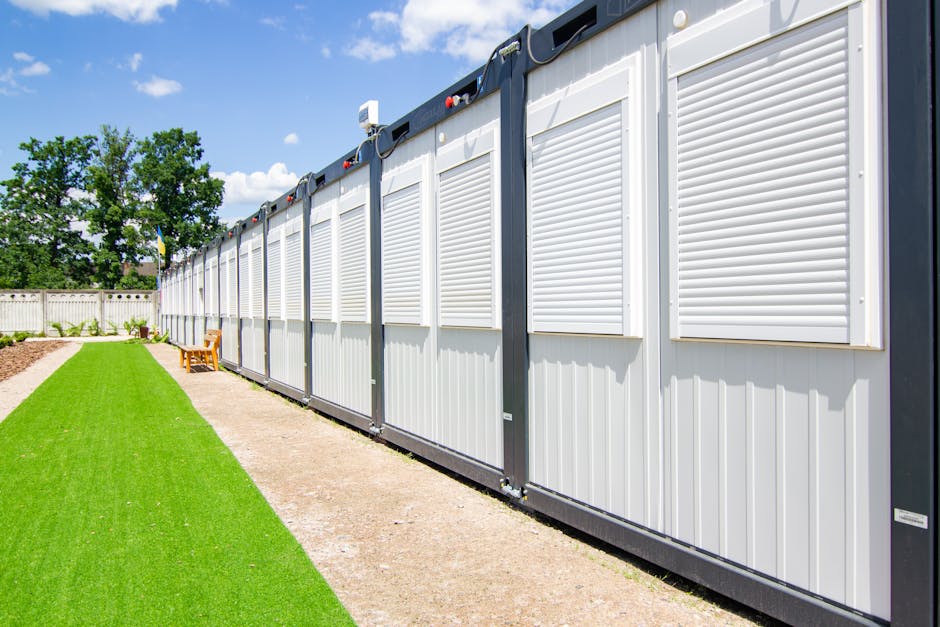
Storage Unit Living: The Unconventional Housing Solution
Storage unit living, a growing trend in urban and suburban areas alike, involves individuals or families occupying self-storage units as their primary residence. This practice, driven by exorbitant rental markets, a desire for extreme minimalism, or as a temporary solution during transitional periods, presents a unique set of challenges and considerations. While not a legally sanctioned or recommended form of housing in most jurisdictions, understanding its prevalence and the factors contributing to it is crucial for urban planners, social service providers, and policymakers. The allure of storage unit living often stems from its perceived affordability compared to traditional housing. In cities where rent for even a small apartment can consume a significant portion of an individual’s income, a monthly storage unit fee, while still a cost, can appear more manageable. This financial pressure is a primary driver, particularly for low-income individuals, students, and those experiencing homelessness or housing instability. Beyond the financial aspect, some individuals embrace storage unit living as an extreme form of minimalism. They may have consciously chosen to divest themselves of most possessions, finding satisfaction in a spartan lifestyle that is facilitated by the limited space. This can be a philosophical choice, a response to consumer culture, or a deliberate attempt to reduce their environmental footprint. For others, it’s a stopgap measure. They might be between leases, undergoing a home renovation, or temporarily displaced due to economic hardship. The flexibility of month-to-month storage unit rentals provides a less commitment-heavy alternative to finding a new, long-term dwelling. However, the realities of living in a space not designed for habitation are significant and often overlooked by those considering or engaging in this practice. The lack of essential amenities such as plumbing, electricity, sanitation, and proper ventilation poses substantial health and safety risks.
The fundamental lack of basic utilities is the most immediate and critical challenge for storage unit dwellers. Most storage units are not equipped with running water, flushing toilets, or functional showers. This necessitates the use of public restrooms, portable toilets, or creative, often unsanitary, workarounds. The absence of electricity means no refrigeration, limited lighting, reliance on portable power banks, and the inability to use standard appliances. Heating and cooling are also major concerns, as storage units are typically uninsulated and subject to extreme temperature fluctuations, creating uncomfortable and potentially dangerous living conditions, especially during summer heatwaves or winter freezes. This lack of climate control can exacerbate existing health conditions and lead to new ones, such as heatstroke or hypothermia. The sanitation issues are particularly acute. Without proper waste disposal and hygiene facilities, residents face a constant battle against odors, pests, and the spread of disease. Storing food safely is virtually impossible, increasing the risk of foodborne illnesses. The accumulation of waste, both human and general, in an enclosed space creates a breeding ground for bacteria and vermin, posing significant health hazards not only to the occupants but also to other tenants and staff of the storage facility. The security of personal belongings is a paradoxical concern. While storage units are designed to protect possessions, living in one creates new vulnerabilities. There’s an inherent risk of theft from other individuals, either those also living in units or those with access to the facility. Furthermore, the occupants themselves might be more susceptible to exploitation or harassment due to their precarious living situation. The visibility of their occupancy could also lead to confrontations with facility management or law enforcement.
Legally, storage unit living is a gray area that often falls outside established housing codes and regulations. Most self-storage facility contracts explicitly prohibit using units as residences. Violating these terms can lead to eviction by the facility management, loss of stored possessions, and potential fines. From a municipal perspective, zoning laws and building codes are designed to ensure habitability and safety, standards that storage units unequivocally fail to meet. This means that individuals living in storage units are not protected by tenant rights, landlord-tenant laws, or housing subsidies. They are effectively in violation of local ordinances, which can result in legal action and forced displacement without alternative housing being provided. This lack of legal recourse leaves storage unit dwellers vulnerable and without the safety nets typically available to those in need of housing assistance. The social implications are equally profound. Storage unit living is often invisible to the wider community, contributing to a hidden homelessness crisis. Individuals resorting to this lifestyle may experience social isolation, stigma, and a sense of shame, further exacerbating their difficulties. The psychological toll of living in a confined, utilitarian space, devoid of the comforts and privacy of a traditional home, can be immense. It can lead to depression, anxiety, and a diminished sense of self-worth. The constant fear of discovery, eviction, and the inherent discomfort of the living conditions create a perpetual state of stress.
The prevalence of storage unit living highlights systemic failures in addressing housing affordability and availability. The escalating cost of housing in many metropolitan areas has pushed individuals to the fringes, seeking any available shelter. This trend underscores the urgent need for increased investment in affordable housing initiatives, robust social support systems, and accessible mental health services. Urban planners and policymakers face the challenge of addressing this unconventional housing solution by understanding its root causes and developing strategies that offer genuine alternatives. This might involve incentivizing the development of micro-apartments, establishing more emergency shelters, or providing rental assistance programs. Furthermore, there is a critical need for outreach to individuals living in storage units to connect them with existing resources and support services. Storage facility operators also face ethical and operational dilemmas. While their primary business is storage, the emergence of residents within their facilities presents safety concerns for other tenants, potential liability issues, and operational challenges. Some facilities may have security measures in place to detect residency, while others might turn a blind eye. The ethical question arises of how to address the needs of individuals who are clearly using the units as shelter without immediately resorting to eviction, which could leave them in an even more precarious situation.
The economic drivers behind storage unit living are multifaceted. Stagnant wages coupled with rapidly rising rents create a widening affordability gap. The rise of the gig economy, while offering flexibility, often lacks the stability and benefits associated with traditional employment, making it harder for individuals to secure long-term housing. The increasing demand for storage units, driven in part by the trend of downsizing and decluttering, also influences their availability and cost. However, the core issue remains the fundamental inadequacy of housing supply relative to demand, particularly at lower income levels. The lack of affordable housing options forces individuals to make difficult choices, and for some, storage unit living, despite its inherent dangers and discomforts, becomes a perceived necessity. Public perception and awareness of storage unit living are also evolving. As more stories and documentaries shed light on this phenomenon, it brings the issue into greater public discourse. However, misconceptions can persist, with some viewing it as a choice made by individuals who are unwilling to conform to societal norms rather than a consequence of systemic economic pressures. Educating the public about the complex realities faced by storage unit dwellers is crucial for fostering empathy and support for policy changes.
Addressing storage unit living requires a multi-pronged approach. Firstly, there needs to be a significant increase in the supply of affordable housing. This could involve government subsidies, tax incentives for developers to build low-income housing, and the exploration of innovative housing models like modular or tiny homes. Secondly, strengthening social safety nets is paramount. This includes expanding access to rental assistance programs, increasing funding for homeless shelters and transitional housing, and providing robust mental health and addiction services, as these issues often intersect with housing instability. Thirdly, there is a need for targeted outreach and support for individuals currently living in storage units. This involves collaborating with storage facility operators to identify individuals in need, providing them with information about available resources, and offering direct assistance to help them transition into safe and stable housing. Finally, regulatory frameworks may need to be reviewed and adapted to better address emerging forms of housing precarity, while also ensuring that any accommodations do not compromise safety or habitability standards. The long-term goal must be to eliminate the need for individuals to resort to such extreme measures for shelter. This involves a fundamental reevaluation of housing policies, economic strategies, and social support systems to ensure that everyone has access to safe, affordable, and dignified housing. The challenges posed by storage unit living are a stark indicator of deeper societal issues that demand urgent and comprehensive solutions.
The impact on physical and mental health for individuals engaged in storage unit living cannot be overstated. The lack of basic sanitation facilities directly contributes to the spread of infectious diseases. Without access to clean water for hygiene, residents are at a higher risk of contracting illnesses like E. coli, norovirus, and various skin infections. The constant exposure to dust, mold, and potential pests within storage units can trigger or worsen respiratory conditions such as asthma and allergies. The absence of proper temperature regulation exposes individuals to the dangers of hypothermia during winter and heatstroke during summer months, both of which can have severe and even fatal consequences. The psychological toll is equally devastating. The lack of privacy and personal space, coupled with the constant fear of eviction and discovery, creates a perpetual state of anxiety and stress. This living condition can lead to social isolation as individuals may feel ashamed or embarrassed to invite others into their temporary dwelling, further diminishing their social support networks. Depression and feelings of hopelessness are common, as the lack of a stable and secure home environment can erode an individual’s sense of self-worth and future prospects. The continuous struggle for basic necessities – a safe place to sleep, access to food and water, and hygienic facilities – diverts mental energy from other aspects of life, such as seeking employment, education, or personal growth. The stigma associated with living in a storage unit can also lead to internalized shame, making it harder for individuals to seek help or engage with support services.
The operational and ethical considerations for self-storage facility owners are significant. While their business model is based on renting out space for storage, the reality of individuals inhabiting these units presents a complex dilemma. On one hand, allowing or overlooking residency can be interpreted as condoning unsafe and illegal living conditions, potentially exposing the facility to liability if an incident occurs. On the other hand, enforcing strict eviction policies without providing alternatives can exacerbate the homelessness crisis and lead to individuals being left with nowhere to go. Many facilities have policies against using units as residences, and they employ security measures to monitor for signs of occupancy, such as extended hours of access, unauthorized modifications to the units, or the presence of personal belongings that suggest habitation. However, the nature of storage unit access, often 24/7 with gate codes, can make it difficult to completely prevent individuals from utilizing the space for shelter. Ethical debates arise regarding the responsibility of these businesses when they become aware of individuals living in their units. Some may choose to report suspected residency to authorities, while others might offer limited assistance or connect individuals with social services if they are aware of the situation. The financial incentives for facility owners are generally not aligned with facilitating housing, as their profit margins are based on rental fees for storage space, not on providing habitable living quarters.
Looking ahead, the trend of storage unit living signals a critical need for innovative solutions in the housing sector. As urban populations continue to grow and housing costs remain prohibitive for many, unconventional living arrangements are likely to persist unless systemic issues are addressed. This includes exploring policies that promote the development of diverse housing types, such as accessory dwelling units (ADUs), co-living spaces, and micro-apartments, which offer more affordable and suitable alternatives to traditional housing. Furthermore, the integration of social services within communities is essential. This could involve mobile outreach teams that actively seek out individuals in precarious housing situations, offering immediate assistance and a pathway to more stable accommodations. Collaboration between government agencies, non-profit organizations, and private sector entities is crucial to developing comprehensive strategies that tackle the root causes of housing insecurity. The long-term sustainability of urban environments depends on ensuring that housing is accessible and affordable for all residents, not just a privileged few. The phenomenon of storage unit living serves as a powerful, albeit concerning, indicator of the growing housing affordability crisis and the urgent need for transformative policy changes and social interventions.
