Indonesia’s Manufacturing Sector Shows Resilience and Projected Growth in Q2 and Q3 2026

Bank Indonesia (BI) has reported that Indonesia’s processing industry maintained its performance in the second quarter of 2026. This positive outlook is underscored by the Prompt Manufacturing Index Bank Indonesia (PMI-BI), which registered at 51.43, indicating a continued expansionary phase for the sector. The central bank’s latest assessment highlights that key components of the PMI-BI, including Production Volume, Finished Goods Inventory Volume, and Total Order Volume, are all contributing to this robust performance.
"Consequently, the performance of the processing industry’s business fields in the second quarter of 2026 remains sustained and in an expansionary phase," stated Ramdan Denny Prakoso, Executive Director and Head of BI’s Communication Department, in an official statement released on Friday, July 17th. This statement provides a clear indication of the central bank’s confidence in the manufacturing sector’s current trajectory and its ability to navigate economic conditions.
Sectoral Breakdown: A Broad-Based Expansion
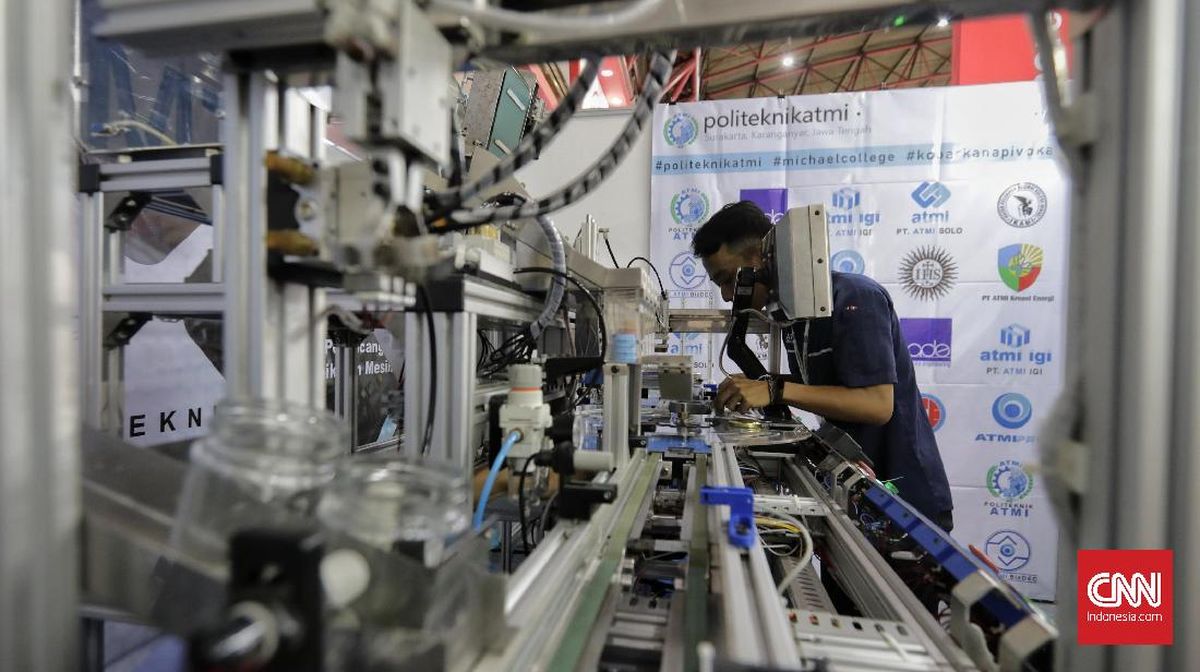
Delving deeper into the subsectors, the majority of industrial fields are also operating within an expansionary zone. Leading the pack in terms of performance were the Machinery and Equipment Industry, followed closely by the Food and Beverage Industry, Basic Metal Industry, and Non-Metal Mineral Products Industry. This broad-based strength suggests that growth is not concentrated in a single area but is rather a widespread phenomenon across various manufacturing segments.
The Machinery and Equipment industry’s leading position could be attributed to increased investment in industrial automation and upgrades, reflecting a long-term trend towards enhancing productivity and competitiveness. The consistent strong performance of the Food and Beverage sector is often linked to stable domestic demand and the industry’s resilience to economic fluctuations, while the Basic Metal and Non-Metal Mineral Products industries typically see a surge when construction and infrastructure development are active.
Optimistic Outlook for Q3 2026: Anticipating Further Strengthening
Looking ahead, Bank Indonesia projects an even stronger performance for manufacturing activities in the third quarter of 2026. This optimism is reflected in the forecasted increase of the PMI-BI to 52.32. This projected rise signifies a further acceleration in manufacturing output and demand.
Ramdan Denny Prakoso elaborated on the drivers behind this anticipated strengthening, stating that the increase will continue to be supported by the growth in Production Volume, Finished Goods Inventory Volume, and Total Order Volume. This forward-looking projection suggests that businesses are anticipating sustained demand and are planning to ramp up production accordingly.
"In the third quarter of 2026, the performance of the processing industry’s business fields is projected to increase and remain in an expansionary phase," the central bank’s statement reiterated. This sustained expansionary outlook for the third quarter, building on the second quarter’s performance, paints a picture of a dynamic and growing manufacturing sector poised to contribute significantly to Indonesia’s economic growth.
Subsectoral Projections: Continued Dominance and Emerging Strengths
Similar to the current quarter, a majority of industrial subsectors are expected to remain in the expansionary zone during the third quarter of 2026. The Machinery and Equipment Industry is again projected to hold the top spot, followed by the Tobacco Processing Industry, Basic Metal Industry, and the Transportation Equipment Industry. The inclusion of the Tobacco Processing Industry in the top projected performers, alongside traditional industrial heavyweights, may indicate specific market dynamics or policy influences within that segment. The continued strong projection for the Transportation Equipment Industry suggests a healthy demand for vehicles, both for domestic consumption and potentially for export.
Understanding the PMI-BI: A Key Economic Barometer
The Prompt Manufacturing Index Bank Indonesia (PMI-BI) serves as a crucial indicator for the central bank to monitor the conditions and prospects of the national manufacturing sector. It is derived from a survey conducted among industry players, providing real-time insights into their operational activities and expectations. A PMI-BI value above 50 indicates that industrial activity is in an expansionary phase, signifying growth in production, orders, and employment. Conversely, a value below 50 suggests a contraction in these areas. The index is a vital tool for policymakers, businesses, and investors to gauge the health and direction of Indonesia’s industrial landscape.
Context and Background: Navigating Global and Domestic Economic Currents
The reporting of a sustained expansion in Indonesia’s manufacturing sector comes at a time when global economic conditions are often characterized by a complex interplay of recovery, inflationary pressures, and geopolitical uncertainties. As a major global trading nation, Indonesia’s manufacturing sector is intrinsically linked to international demand and supply chains. The resilience demonstrated in Q2 and the optimistic projection for Q3 2026 suggest that Indonesian manufacturers have been adept at navigating these external headwinds.
Domestically, the Indonesian government has been actively pursuing policies aimed at boosting industrial competitiveness, attracting foreign investment, and enhancing the value chain of various sectors. Initiatives such as tax incentives, infrastructure development, and efforts to streamline regulatory processes are designed to create a more conducive environment for manufacturing growth. The positive PMI-BI figures can be seen as an early indicator of the effectiveness of these policies.
Historical Performance and Trends
To fully appreciate the current performance, it’s beneficial to consider the historical trends of Indonesia’s manufacturing sector. In the years leading up to 2026, the sector has experienced periods of both robust growth and significant challenges, including the impact of the global pandemic, supply chain disruptions, and fluctuating commodity prices. The ability of the sector to not only recover but to enter a sustained expansionary phase highlights its underlying strength and adaptability. For instance, in the immediate post-pandemic period, there was a concerted effort by the government and industry stakeholders to reshore production and diversify supply chains, which may be bearing fruit now.
Supporting Data and Analysis: Deeper Dive into Economic Indicators
While the PMI-BI provides a high-level overview, a more granular analysis of supporting economic data would further illuminate the factors driving this positive performance. This could include:
- Export Growth: An increase in manufacturing exports would directly correlate with higher production volumes and order intakes, reflecting strong international demand for Indonesian-made goods. Data on key export commodities within the manufacturing sector, such as textiles, electronics, and automotive components, would be valuable.
- Domestic Consumption: Sustained domestic demand is a critical pillar for manufacturing growth. Trends in consumer spending, retail sales, and household income provide insights into the strength of local markets for manufactured products.
- Investment Data: Trends in both foreign direct investment (FDI) and domestic investment in the manufacturing sector are crucial. Increased investment in new factories, machinery, and technology signifies confidence in the sector’s future and its capacity to expand. For example, recent reports on new industrial park developments or expansions of existing manufacturing facilities would be relevant.
- Employment Figures: A growing manufacturing sector typically leads to job creation. Analyzing employment statistics within the manufacturing industry can provide a tangible measure of its expansion and its contribution to the broader economy.
- Input Costs and Inflation: While the PMI-BI focuses on output and orders, the cost of raw materials, energy, and labor are significant factors affecting manufacturing profitability. Data on producer price indices (PPI) and inflation rates related to manufacturing inputs would offer a more complete picture.
For example, if export data shows a significant uptick in shipments of processed agricultural products and manufactured electronics, this would directly support the PMI-BI’s findings of increased production and orders. Similarly, if data from the Investment Coordinating Board (BKPM) indicates a surge in investment commitments for manufacturing projects in Q1 and Q2 2026, this would bolster the positive outlook for Q3.
Implications and Broader Impact: Economic Growth and Stability
The sustained expansion of Indonesia’s processing industry has several significant implications for the nation’s economy:
- Contribution to GDP: A strong manufacturing sector is a key driver of Gross Domestic Product (GDP) growth. Continued expansion will contribute to higher overall economic output, potentially leading to improved national income and living standards.
- Job Creation and Poverty Reduction: As the sector grows, it is expected to create more employment opportunities, both directly within factories and indirectly through related industries such as logistics, supply chain management, and services. This can lead to reduced unemployment rates and contribute to poverty reduction efforts.
- Export Competitiveness: A robust manufacturing sector enhances Indonesia’s competitiveness in the global market. Increased exports of manufactured goods can improve the country’s trade balance and foreign exchange reserves.
- Technological Advancement and Innovation: Growth in manufacturing often goes hand-in-hand with the adoption of new technologies and innovative practices. This can lead to increased efficiency, higher quality products, and the development of new industries.
- Economic Diversification: A strong manufacturing base contributes to the diversification of the Indonesian economy, reducing its reliance on commodity exports and making it more resilient to price fluctuations in global commodity markets.
- Attracting Investment: A track record of consistent growth and positive future projections makes Indonesia a more attractive destination for both domestic and foreign investment in the manufacturing sector, creating a virtuous cycle of growth.
The central bank’s proactive monitoring and communication of these indicators are vital for shaping market expectations and informing economic strategy. The projected growth in Q3 2026, if realized, will be a testament to the resilience and dynamism of Indonesia’s industrial base.
Official Responses and Stakeholder Perspectives (Inferred)
While the article directly quotes Bank Indonesia officials, it is reasonable to infer potential reactions and statements from other relevant parties:
- Ministry of Industry: Officials from the Ministry of Industry would likely welcome these positive indicators, emphasizing the government’s commitment to supporting the sector through various industrial policies and incentives. They might highlight specific programs aimed at boosting competitiveness, encouraging downstream processing, and promoting exports. A statement could focus on the synergy between government policies and industry performance.
- Industry Associations (e.g., APINDO, KADIN): Representatives from industry associations would likely express optimism and attribute the positive performance to the hard work and adaptability of their members. They might also use the occasion to advocate for continued government support, such as improvements in infrastructure, skilled labor development, and a stable regulatory environment, to ensure sustained growth. They may also point to specific challenges that still need to be addressed, such as the cost of logistics or access to financing for small and medium-sized enterprises (SMEs) within the manufacturing sector.
- Business Leaders: CEOs and executives of major manufacturing companies would likely reiterate the positive outlook, perhaps sharing specific examples of their company’s growth and investment plans. They might emphasize the importance of a stable economic and political climate for long-term business planning and investment.
These inferred perspectives would add depth to the narrative, showcasing a unified positive sentiment across various stakeholders in the Indonesian economic landscape, while also acknowledging potential areas for further development.
The robust performance and optimistic projections for Indonesia’s processing industry, as reported by Bank Indonesia, underscore a sector that is not only recovering but is actively expanding and poised for continued growth in the latter half of 2026. This trend is critical for Indonesia’s broader economic objectives, contributing to national development, job creation, and enhanced global competitiveness.