Iran’s Rial Faces Global Scrutiny Amidst Geopolitical Tensions and Economic Reforms

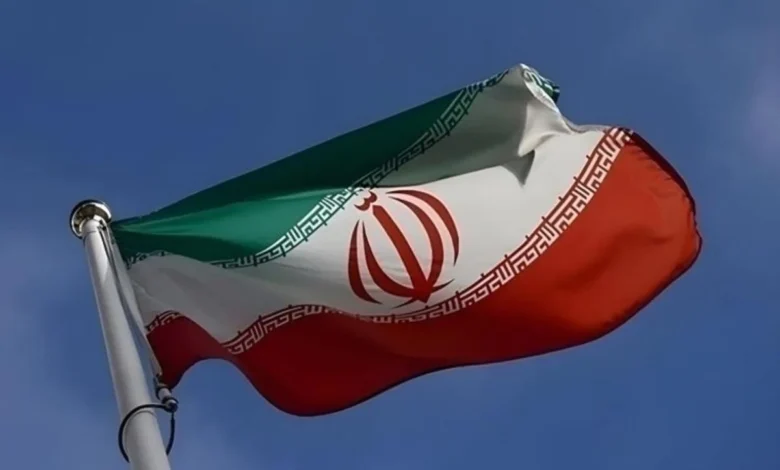
The Iranian currency, the rial, has recently become a focal point of global attention, intertwined with escalating geopolitical tensions and shifts in international economic policy. A significant catalyst for this heightened scrutiny has been the assertive stance taken by the United States under President Donald Trump, who reimposed stringent tariffs of up to 25 percent on countries continuing to engage in business with Iran. This policy has reverberated through the global financial landscape, triggering a spectrum of reactions, most notably impacting Iran’s domestic economic conditions and leading to a pronounced weakening of its national currency. Recent reports indicate that the Iranian rial has experienced a significant devaluation, with its exchange rate against the Euro reportedly hitting an all-time low. This precarious situation underscores the severe economic pressures that Iran has been enduring, stemming from a protracted period of international sanctions and persistent domestic inflation.
However, an intriguing paradox emerges when one observes daily transactions within Iran’s vibrant traditional markets or bustling shopping centers. The term "rial" is conspicuously absent from everyday conversations concerning the purchase of goods and services. Instead, the local populace commonly refers to prices using the term "toman." This linguistic shift is not merely a matter of colloquialism but is deeply rooted in the country’s battle with exceptionally high inflation rates. To simplify pricing and circumvent the cumbersome use of excessively large numbers, Iran has adopted an alternative accounting system known as the toman. This practice raises pertinent questions about the official currency framework in Iran and the fundamental distinctions between the rial and the toman, which often present a challenge for international observers and tourists alike.
The Official Standing of the Iranian Rial
Legally and administratively, the rial remains Iran’s official currency. All formal banking activities, governmental documentation, and pricing displays in modern retail establishments are denominated in rials, identified by the international currency code IRR. This official designation highlights the rial’s role as the foundational unit of Iran’s monetary system.
The Dual Currency Reality: Rial vs. Toman
Despite the rial’s official status, its practical application in daily transactions is largely supplanted by the toman. Iranians rarely use the term "rial" in their everyday buying and selling. The preference for "toman" in both traditional bazaars and smaller retail outlets reflects a deeply ingrained societal adaptation to economic realities.
The toman offers a significantly more manageable way to express monetary values. One toman is equivalent to 10,000 rials, effectively representing the rial with four zeros removed. This simplification is a direct response to the need for ease of communication and transaction, particularly in an environment where prices can inflate rapidly. While the rial retains its official standing, the toman has become the de facto unit of account for the majority of the population.
Historically and legally, the rial is the legitimate currency, as evidenced by its presence on banknotes and in all financial records. However, the relentless pressure of inflation, which has steadily eroded the rial’s purchasing power, has compelled the public to adopt a more practical system of value representation. The core principle of this simplification is straightforward: one toman equates to ten of the older rial units. To illustrate, a merchant quoting a price of 60,000 toman is effectively asking for 600,000 rials. This discrepancy in nomenclature is a frequent source of confusion for foreign visitors upon their arrival in Iran.
A Long-Awaited Reform: Redenomination and the New Toman
To address this persistent confusion and streamline the national financial system, the Iranian government, through the Central Bank of Iran (CBI), initiated a currency redenomination policy. This process, which began its rollout in 2020, is slated for broader and more comprehensive implementation between 2025 and 2026.
Under this reform, Iran will officially transition its primary currency unit from the rial to a new version of the toman, by eliminating four zeros from the existing rial. This means that 10,000 old rials will now be equivalent to one new toman. The new toman will also be subdivided into smaller denominations, with a unit called the "qiran," where one toman will consist of 100 qiran.
During this transitional phase, older rial banknotes will continue to be valid and circulate alongside the new currency. Newer banknotes are being issued with reduced nominal values, often featuring ghosted zeros as visual cues to signify the systemic change and facilitate a gradual adjustment for the public. This strategic move aims to simplify transactions, reduce the psychological burden of dealing with extremely high nominal figures, and ultimately enhance the efficiency of Iran’s financial infrastructure.
Underpinning the Weakening Rial: A Multifaceted Economic Crisis
The persistent devaluation of the Iranian rial and the economic challenges it faces are the culmination of a complex interplay of internal and external factors.
The Impact of International Sanctions
A primary driver behind the rial’s weakness has been the imposition of severe international sanctions, particularly those reimposed by the United States. These sanctions have significantly curtailed Iran’s ability to engage in international trade, restricted its access to global financial markets, and deterred foreign investment. The oil sector, a cornerstone of Iran’s economy, has been particularly hard-hit, with sanctions limiting its export capacity and consequently reducing foreign currency inflows. This reduction in hard currency reserves puts direct downward pressure on the rial, as its value is intrinsically linked to the availability of stable foreign exchange.
According to data from the International Monetary Fund (IMF), Iran’s GDP experienced a contraction following the reimposition of major sanctions, highlighting the direct economic fallout. Furthermore, the World Bank has consistently reported on the adverse effects of sanctions on Iran’s trade balance and overall economic growth prospects. The ripple effect of these sanctions extends to the cost of imports, leading to higher prices for essential goods and contributing to inflationary pressures.
Domestic Inflationary Pressures
Beyond external pressures, Iran has grappled with significant domestic inflation for years, a problem exacerbated by the sanctions. The inflationary environment erodes the purchasing power of the rial, necessitating the use of the toman as a more practical unit of account. Factors contributing to domestic inflation include:
- Monetary Policy: Historically, Iran has faced challenges with its monetary policy, including periods of excessive money printing to finance government deficits, which can fuel inflation.
- Supply Chain Disruptions: Sanctions have disrupted supply chains, leading to shortages of imported goods and raw materials, thereby increasing production costs and prices for domestic goods.
- Structural Economic Issues: Underlying structural issues within the Iranian economy, such as a reliance on oil revenue, inefficiencies in state-owned enterprises, and a complex regulatory environment, also contribute to inflationary pressures.
The combination of sanctions-induced currency depreciation and persistent domestic inflation has created a challenging economic landscape for ordinary Iranians, impacting their savings, purchasing power, and overall standard of living.
Geopolitical Volatility
The broader geopolitical landscape has also played a significant role in exacerbating the rial’s instability. Regional conflicts, tensions with neighboring countries, and the fluctuating global price of oil can all influence investor confidence and capital flows into Iran. The uncertainty generated by these geopolitical factors further amplifies the rial’s volatility, making it more susceptible to speculative attacks and rapid depreciations.
Reactions and Expert Analysis
The economic predicament of the Iranian rial has drawn varied reactions and analyses from international bodies and economic experts.
- International Financial Institutions: Organizations like the IMF and the World Bank have consistently highlighted the detrimental impact of sanctions on Iran’s economy and have called for policies that promote macroeconomic stability. Their reports often provide data-driven insights into the drivers of inflation and currency depreciation.
- Economic Analysts: Many economists point to the necessity of structural reforms within Iran to address the root causes of inflation and enhance economic resilience. They emphasize the importance of fiscal discipline, prudent monetary policy, and diversification of the economy away from its heavy reliance on oil exports. The redenominasi policy is often viewed as a necessary, albeit insufficient, step towards simplifying the financial system.
- Business Communities: Iranian business leaders have voiced concerns about the impact of currency volatility on their operations, citing difficulties in planning, accessing credit, and maintaining profit margins. They often advocate for policies that foster a more stable economic environment to encourage investment and trade.
- Global Markets: International currency markets closely monitor developments in Iran, as significant currency fluctuations can have spillover effects on regional economies and commodity prices. The threat of further sanctions or escalating geopolitical tensions often leads to increased risk aversion in markets connected to the Middle East.
The Broader Implications of Currency Instability
The persistent weakness of the Iranian rial and the ongoing economic challenges have far-reaching implications, both domestically and internationally.
Domestic Impact
- Erosion of Purchasing Power: The most immediate impact is the severe erosion of purchasing power for ordinary Iranians. As the rial weakens, the cost of imported goods, including food, medicine, and essential commodities, skyrockets, disproportionately affecting lower-income households.
- Reduced Living Standards: The overall standard of living declines as families struggle to afford basic necessities. Savings are depleted, and discretionary spending is curtailed, leading to a general sense of economic hardship.
- Brain Drain: The challenging economic environment, coupled with limited opportunities, can contribute to a "brain drain," as skilled professionals seek better prospects abroad.
- Social Unrest: Sustained economic hardship and a sense of disenfranchisement can, in some instances, lead to social unrest and public discontent.
International Impact
- Regional Economic Stability: The economic instability in Iran can have ripple effects on its neighbors, particularly those with strong trade links. Currency volatility can disrupt trade flows and create uncertainty for regional economies.
- Global Commodity Markets: Iran is a significant oil producer. Fluctuations in its currency and economic output can influence global oil prices and the broader energy market.
- Geopolitical Dynamics: Economic pressures can influence a nation’s foreign policy and its engagement in regional and international affairs. The economic resilience of Iran is a factor in broader geopolitical calculations.
- Investment Climate: The instability surrounding the Iranian economy and its currency can deter foreign direct investment, impacting global capital flows and economic development initiatives.
The ongoing efforts by the Iranian government to reform its currency system through redenomination signal a recognition of the deep-seated economic challenges. However, the long-term success of these measures will undoubtedly depend on a comprehensive approach that addresses both the practical aspects of currency management and the underlying structural and external factors that continue to exert pressure on the Iranian economy. The global community will continue to monitor these developments closely, as they carry significant weight for regional stability and the broader international economic order.
Related posts: