All Victims Evacuated Following Deadly Clashes in East Adonara, Flores Timur, Security Forces Bolster Presence

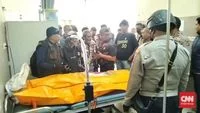
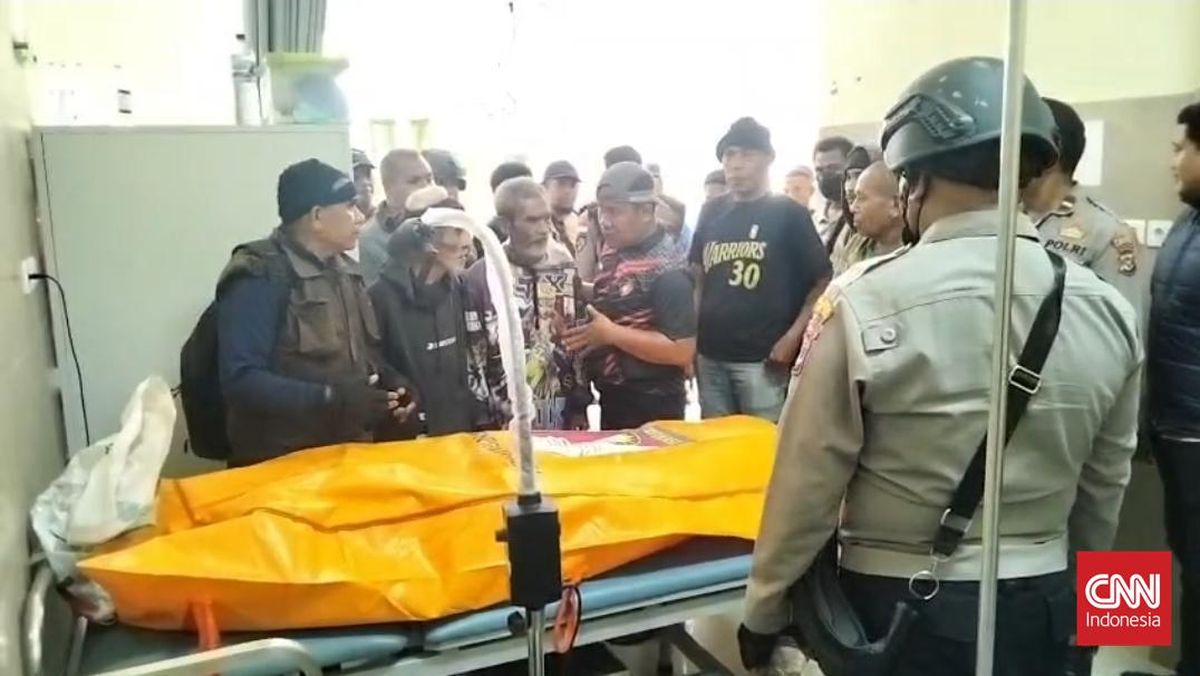
Kupang, CNN Indonesia – All fatalities from the recent bloody clashes in East Adonara, Flores Timur, Nusa Tenggara Timur (NTT), have been successfully evacuated. This includes one body that had remained on the roadside and was eventually transported to Adonara Pratama Hospital after extensive negotiations. The incident, which erupted on Saturday morning, July 18, resulted in the deaths of three individuals and prompted a significant deployment of security personnel to the remote island.
Kapolres Flores Timur AKBP Adhitya Octorio Putra confirmed the successful evacuation, stating that the last body had been moved to the morgue for identification and forensic examination (visum et repertum). This critical step was achieved following intensive discussions and collaborative efforts involving the Regional Leadership Coordination Forum (Forkopimda) and prominent community figures. "The body has been successfully transported to Pratama Hospital," Adhitya told CNNIndonesia.com on Saturday afternoon, July 18.
The last evacuated victim was identified as a male, approximately 60 years old, from Narasaosina Village. Initial findings suggest he died from machete wounds sustained during the violent confrontation between two youth groups. Authorities were awaiting a coffin to formally transfer the body to the family, a process that was to be overseen by Forkopimda to ensure a respectful and orderly handover amidst heightened tensions. The clashes, which involved youth groups from Lewonara Hamlet in Narasaosina Village and Bele Hamlet in Waeburak Village, East Adonara District, tragically claimed three lives in total. Two of the victims were residents of Narasaosina Village, and one was from Waeburak Village. Two of the deceased had already been reunited with their respective families prior to the final evacuation efforts.
Chronology of a Volatile Day
The violence erupted in the early hours of Saturday, July 18, transforming the typically serene landscape of East Adonara into a scene of conflict. Details remain under investigation, but initial reports indicate that two distinct youth groups—one from Dusun Lewonara, Desa Narasaosina, and another from Dusun Bele, Desa Waeburak—were involved in the deadly confrontation. While the exact trigger for the clashes is still being ascertained, such disputes in the region often stem from long-standing land claims, resource competition, or inter-village rivalries that can escalate rapidly, particularly among younger generations.
By mid-morning, the full extent of the tragedy began to unfold as reports of fatalities emerged. Three individuals were confirmed dead, their lives cut short by the brutal violence. The situation was compounded by the fact that one of the victims’ bodies lay unretrieved on the main road in Waeburak, directly in front of the Waeburak Mosque. For several hours, until approximately 2:00 PM WITA (Central Indonesian Time), the body remained exposed due to a large and agitated crowd obstructing access for medical personnel and an ambulance. This standoff highlighted the deep-seated emotions and volatile atmosphere gripping the community in the immediate aftermath of the clashes.
The impasse necessitated the intervention of the Forkopimda and local community leaders. Recognizing the urgency of the situation and the need to prevent further escalation, these figures engaged in delicate and prolonged negotiations with the masses. Their efforts were crucial in de-escalating the tension sufficiently for the crowd to finally permit the retrieval of the body. Once permission was granted, medical teams swiftly moved in, and the victim was transported to Adonara Pratama Hospital, marking a critical turning point in the immediate crisis response.
Following the successful evacuation, security forces worked to restore order. The immediate vicinity of the clashes gradually saw the dispersal of crowds, with many residents returning to their homes. However, the underlying tension remained palpable, necessitating a continued and robust security presence. Dozens of heavily armed personnel from both the Indonesian National Armed Forces (TNI) and the National Police (Polri) were deployed to maintain peace and prevent any resurgence of violence. This visible presence aimed to reassure the local population and deter further acts of aggression.
In a swift response to the deteriorating security situation, the Commander of the NTT Regional Police Mobile Brigade (Brimob), Kombes Afrizal Asri, confirmed the dispatch of additional forces. A contingent of 32 Brimob personnel from Maumere was en route to Adonara Island. This reinforcement underscored the gravity of the situation and the commitment of provincial authorities to stabilize the area. The deployment of specialized police units like Brimob, known for their crowd control and rapid response capabilities, was a clear signal of the authorities’ determination to prevent further bloodshed and ensure law and order. As of the latest reports, the fundamental cause of the deadly confrontation remains under active investigation by law enforcement agencies.
Background and Context of Adonara Island
Adonara Island, a part of the Solor Archipelago in the East Flores Regency, NTT, is characterized by its rugged terrain, volcanic landscapes, and predominantly rural communities. Geographically, it is located east of Flores Island and is known for its relatively remote and isolated villages, many of which maintain strong traditional customs and social structures. The island’s economy is largely agrarian, with farming and fishing being the primary livelihoods. staple crops include corn, rice, and various horticultural products, while coastal communities depend heavily on marine resources.
The social fabric of Adonara is complex, often marked by strong clan loyalties and traditional governance systems that coexist with modern administrative structures. While these traditions often foster close-knit communities, they can also contribute to inter-village or inter-clan tensions, particularly when disputes arise over land, water rights, or traditional boundaries. Such conflicts, sometimes referred to as "perang tanding" (traditional duels or clashes), have historical precedents in the region, often rooted in ancestral grievances or perceived injustices that can flare up over generations if left unresolved.
Demographically, Adonara is home to a diverse population with various ethnic groups and religious affiliations, primarily Catholic and Muslim. While inter-religious harmony generally prevails, localized conflicts can sometimes exploit existing divisions or be misinterpreted through religious lenses, further complicating resolution efforts. The island’s youth, particularly, can be susceptible to involvement in such conflicts, often driven by a sense of loyalty to their respective communities or families, and sometimes by socio-economic factors such as unemployment or limited opportunities. The Adonara incident, involving "two groups of youth," aligns with this pattern of local disputes escalating into violent confrontations.
Moreover, infrastructure development on Adonara, while progressing, still lags behind more developed regions of Indonesia. Limited access to education, healthcare, and economic opportunities can exacerbate social frustrations, creating fertile ground for unrest when disputes arise. The role of traditional leaders (adat leaders) is therefore paramount in maintaining peace and mediating conflicts, often working in conjunction with local government and security forces. The successful negotiation for the retrieval of the body highlights the critical influence of these community figures in managing highly charged situations. Understanding this socio-cultural and economic backdrop is essential to comprehending the dynamics that can lead to such tragic events on Adonara Island.
Security Response and Official Statements
The response from law enforcement and regional authorities was immediate and multifaceted, reflecting the seriousness of the Adonara clashes. Following the initial reports of violence and fatalities, local police units from Flores Timur Regency were swiftly deployed to the affected areas, primarily Narasaosina and Waeburak Villages. Their initial task was to secure the scene, prevent further bloodshed, and initiate preliminary investigations into the incident.
Kapolres Flores Timur AKBP Adhitya Octorio Putra became the primary point of contact for official information, confirming the fatalities and outlining the steps being taken. His statements emphasized the joint efforts with Forkopimda and community leaders, particularly in the delicate negotiation that led to the retrieval of the last body. The involvement of Forkopimda, which typically comprises the Regent, District Military Commander, and District Police Chief, underscores the multi-agency approach required to manage complex communal conflicts. Their presence at the scene, engaging directly with the agitated crowds, was instrumental in de-escalating the immediate crisis.
Beyond the local police, the provincial security apparatus was also mobilized. The deployment of 32 personnel from the Mobile Brigade (Brimob) of the NTT Regional Police from Maumere signifies a significant escalation in the security response. Brimob units are highly trained in riot control, tactical operations, and maintaining public order in volatile situations. Their deployment suggests a concern for sustained stability and the potential for further unrest. Komandan Satuan Brimob Polda NTT, Kombes Afrizal Asri, confirmed this reinforcement, highlighting the provincial police’s commitment to supporting local efforts and ensuring long-term peace. The presence of these additional, heavily armed personnel serves as a strong deterrent against further violence and provides a visible symbol of state authority.
While no explicit statements from the regional government (e.g., the Governor of NTT or the Regent of East Flores) were detailed in the immediate report, it is highly plausible, given the severity of the incident, that such officials would have issued strong condemnations of the violence. They would likely have called for calm, urged residents to respect the rule of law, and emphasized the government’s commitment to a thorough investigation and to bringing perpetrators to justice. Such statements typically also include appeals for reconciliation and unity among the affected communities.
The ongoing investigation is a critical component of the official response. Police investigators are tasked with identifying the precise triggers of the conflict, determining the sequence of events, identifying individuals responsible for the deaths and injuries, and gathering evidence for legal proceedings. This process is often challenging in communal conflicts, where witness testimonies can be conflicting, and allegiances run deep. The outcome of this investigation will be crucial not only for justice but also for understanding the root causes of the conflict and preventing future occurrences. The initial confirmation that the cause of the bentrokan (clashes) is still being investigated highlights the complexity and sensitivity of uncovering the full truth behind such incidents.
Community Reaction and Calls for Peace
The deadly clashes in East Adonara sent shockwaves through the local communities, leaving a profound sense of grief, fear, and uncertainty. For the residents of Narasaosina and Waeburak Villages, the incident represents a tragic disruption of peace and a stark reminder of latent tensions that can suddenly erupt into violence. The sight of a body lying on the road for hours, and the subsequent negotiations, vividly illustrate the depth of emotion and the challenge of restoring order in such highly charged environments.
In the immediate aftermath, community reactions would likely have varied from profound sorrow among the victims’ families to anger and a desire for justice among their supporters. There would also be widespread fear among the general populace, concerned about potential retaliation or the resurgence of violence. The presence of armed security forces, while necessary for control, can also contribute to a sense of unease.
However, amidst the despair, there are often strong voices within the community advocating for peace and reconciliation. Religious leaders, traditional elders, and respected community figures play an indispensable role in such times. They typically step forward to mediate, preach messages of forgiveness, and call for an end to hostilities. In Adonara, where both Christian and Muslim communities coexist, interfaith leaders often collaborate to foster dialogue and mutual understanding. Their moral authority is crucial in calming agitated sentiments and guiding communities towards a path of healing rather than revenge.
Local non-governmental organizations (NGOs) and youth groups also often engage in peace-building initiatives. These efforts can range from organizing community dialogues and reconciliation meetings to implementing educational programs aimed at promoting conflict resolution skills among younger generations. The goal is to address the underlying causes of conflict, foster empathy, and rebuild trust between estranged communities.
The successful negotiation for the evacuation of the last victim, facilitated by Forkopimda and local leaders, serves as a powerful example of how community engagement and dialogue can defuse immediate crises. This act of allowing the retrieval of the deceased, despite earlier obstruction, demonstrates a willingness, however grudging, to cooperate for the sake of humanitarian considerations and the broader goal of restoring normalcy. However, the path to genuine reconciliation and sustained peace is often long and arduous, requiring continuous effort from all stakeholders, including government, civil society, and the communities themselves. The challenge lies in transitioning from a state of enforced calm to one of genuine healing and preventing future outbreaks of violence by addressing root causes.
Implications and Future Outlook
The deadly clashes in East Adonara carry significant implications for the security, social cohesion, and governance of the region. The immediate security implication is the need for a sustained and strategic presence of law enforcement and military personnel to prevent further outbreaks of violence. While the initial deployment of Brimob personnel has helped stabilize the situation, a long-term strategy will be required to maintain peace and deter any attempts at retaliation. This may involve establishing temporary security posts, conducting regular patrols, and engaging in community policing initiatives to build trust with local residents.
Socially, the incident leaves deep scars. The loss of three lives, coupled with the trauma experienced by those who witnessed the violence or were directly affected, will have lasting impacts on the community. Trust between the two involved villages—Narasaosina and Waeburak—will likely be severely damaged, necessitating comprehensive reconciliation efforts. Without genuine healing and dialogue, there is a risk that grievances could fester, leading to renewed tensions in the future. Local government and civil society organizations will need to facilitate peace dialogues, cultural exchanges, and joint community projects to mend fractured relationships. Addressing the psychological impact on residents, particularly children, through trauma counseling and support services, will also be crucial.
Economically, prolonged instability can disrupt daily life and hinder development efforts. Adonara, like many remote islands in NTT, relies on agricultural and fishing activities. Any major disruption due to conflict or insecurity can impact livelihoods, leading to economic hardship for families already living with limited resources. Investors and development partners may also become hesitant to engage in areas perceived as unstable, further impeding progress.
From a governance perspective, the incident highlights the ongoing challenge of conflict resolution and peacebuilding in areas with strong traditional loyalties. The role of local authorities, including the Regent and Forkopimda, extends beyond crisis management to proactive conflict prevention. This involves strengthening traditional justice mechanisms, integrating them with formal legal systems, and addressing underlying socio-economic grievances that often fuel such disputes. Improved land registration, equitable resource management policies, and youth empowerment programs could serve as preventive measures.
The fact that the cause of the bentrokan is still under investigation underscores the complexity of these incidents. A thorough and impartial investigation is critical not only for delivering justice to the victims and their families but also for identifying the specific triggers and systemic issues that led to the violence. Transparency in this process will be vital to restoring public confidence in the rule of law.
Looking ahead, the Adonara incident serves as a stark reminder of the fragile peace that can exist in diverse and traditionally-rooted communities. The long-term outlook will depend heavily on the commitment of all stakeholders—government, security forces, traditional leaders, religious figures, and the communities themselves—to work collaboratively towards sustainable peace. This involves fostering a culture of dialogue over violence, strengthening local institutions for conflict resolution, and investing in equitable development that addresses the root causes of discontent. Only through such sustained efforts can Adonara move beyond this tragic chapter and build a more resilient and harmonious future.