Forensic Investigation Concludes Former Official Residence Worker Sutrimo Died of Ischemic Heart Disease with No Indications of Foul Play

The mysterious circumstances surrounding the death of Sutrimo, a former employee at the private residence of former Junior Attorney General for Special Crimes (Jampidsus) Febrie Adriansyah, have finally been addressed through comprehensive forensic findings. An independent and official exhumation team, alongside law enforcement authorities, has released the exhaustive results of a multi-layered medical and criminal investigation. The findings definitively point to natural causes—specifically ischemic heart disease—dispelling earlier public speculations and social media rumors that suggested potential foul play or poisoning linked to his professional background.
The announcement was made during a joint press briefing in Jakarta, which brought together medical experts, forensic specialists, and high-ranking officials from the Jakarta Metropolitan Police (Polda Metro Jaya). The case, which had drawn significant public scrutiny due to Sutrimo’s former employment ties with a high-profile figure in Indonesia’s legal and judicial sector, has been subjected to unprecedented scientific scrutiny to ensure complete transparency and accountability.
Comprehensive Forensic Pathology and Toxicology Results
During the press conference held on Wednesday, September 30, the Head of the Exhumation Team, Dr. Ahmad Yudianto, delivered a meticulous breakdown of the medical findings. The investigation team conducted a series of thorough examinations encompassing external physical assessments, internal autopsies, histopathological evaluations of tissues, and rigorous toxicological screens.
According to Dr. Yudianto, the forensic team found no physical evidence of trauma, injuries, or defensive wounds on Sutrimo’s body. There were no marks indicative of physical altercations or assaults, ruling out blunt force trauma or sharp object injuries.
To address public concerns regarding potential poisoning—a common hypothesis in high-profile politically or legally adjacent cases—the toxicological analysis was exceptionally comprehensive. Specialists examined organ tissues alongside soil samples collected from the immediate vicinity of Sutrimo’s burial site.
"Toxicological examinations of the bodily organs, alongside the soil samples collected from around the burial site, revealed no traces of pesticides, alcohol, arsenic, or cyanide," Dr. Yudianto stated.
However, the toxicological screening did detect the presence of caffeine across various organs and tissue samples. While caffeine is a widely consumed and legal stimulant, the medical team evaluated its physiological impact in the context of Sutrimo’s underlying physical condition.
Furthermore, the pathological examination revealed critical indicators of advanced cardiovascular disease. Dr. Yudianto highlighted several physical risk factors and pathological alterations within Sutrimo’s cardiovascular system. These included the presence of a "Frank’s sign"—a diagonal crease across the earlobe, which is frequently clinically associated with an increased risk of coronary artery disease—alongside significant abdominal fat accumulation, and arterial walls that were notably hardened and thickened.
Subsequent histopathological analysis provided microscopic confirmation of severe vascular compromise. Laboratory tests demonstrated that the lumen of Sutrimo’s coronary arteries had suffered a narrowing of approximately 75 percent, severely restricting blood flow to the heart muscle.
"Based on the totality of the examination results—encompassing external, internal, and supportive diagnostic assessments—we have concluded that ischemic heart disease cannot be ruled out as the primary cause of death," Dr. Yudianto explained. He further clarified the role of the detected stimulant, noting, "The caffeine found within the body is assessed to have potentially acted as a triggering factor that exacerbated this underlying pathological condition."
Chronology of Events: From Sudden Collapse to Exhumation
The inquiry into Sutrimo’s death spans a timeline that began in mid-summer and culminated months later with the court-sanctioned exhumation and subsequent medical review.
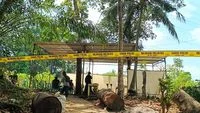
On Thursday, July 23, Sutrimo was found in an unresponsive state on the grounds of the Mordent Clinic, located in the upscale neighborhood of Kebayoran Baru, South Jakarta. Witnesses at the scene immediately sought medical assistance. Following initial emergency assessments, he was rushed via ambulance to the Muhammadiyah Taman Puring Hospital in an urgent bid to save his life. Despite the medical intervention provided by emergency room personnel, Sutrimo was pronounced dead shortly after arrival.
In the immediate aftermath of his sudden passing, standard local reporting procedures were initiated. However, because Sutrimo had previously worked at the residence of Febrie Adriansyah—a prominent law enforcement official who oversaw major corruption investigations—his death quickly attracted widespread media attention and online speculation. The juxtaposition of his former employment and his sudden death in a public space fueled various unverified narratives regarding the security and safety of individuals connected to high-ranking state officials.
Recognizing the necessity to maintain public trust and dispel baseless rumors, law enforcement authorities launched a formal investigation. The inquiry involved witness testimonies, forensic analysis of the initial medical reports, and ultimately, a formal request for an exhumation to perform a post-mortem examination that could yield definitive scientific answers.
Police Findings: Absence of Criminal Elements
Following the completion of the advanced forensic analyses, the Jakarta Metropolitan Police officially closed the speculative chapter surrounding the manner of death, confirming that no criminal acts were involved.
During the joint briefing at Polda Metro Jaya, the Deputy Director of General Criminal Investigations (Wadirreskrimum), AKBP I Dewa Anom Danujaya, outlined the conclusions drawn by the investigative unit. The determination was reached after synthesizing multiple lines of evidence, including eyewitness accounts, the comprehensive exhumation report, and forensic laboratory findings from the Indonesian National Police’s Forensic Laboratory Center (Puslabfor).
"Based on the facts that have been gathered and the subsequent analysis by investigators, we conclude that no elements have been found indicating a criminal offense in the death of our brother Sutrimo," AKBP Anom stated clearly.
Law enforcement emphasized that the investigation was conducted without political interference, relying purely on empirical data, medical science, and criminalistics to establish the truth. The police reiterated their commitment to transparency, noting that the involvement of independent medical experts in the exhumation process was designed to ensure the highest standards of objectivity.
Broader Context and Public Implications
The conclusion of the Sutrimo case underscores several critical themes within contemporary Indonesian society, particularly the intersection of high-profile public administration, public perception, and the vital role of forensic science in modern policing.
In an era dominated by digital connectivity and social media, sudden deaths involving individuals associated with public figures or sensitive government offices frequently become breeding grounds for conspiracy theories. Speculation regarding foul play, targeted assassinations, or poisoning can spread rapidly, placing immense pressure on law enforcement agencies and medical institutions to deliver transparent and verifiable accounts.
The methodical approach adopted in the Sutrimo investigation—featuring peer-reviewed forensic pathology, toxicology screens that checked for heavy metals and common poisons, and transparent public communication—serves as a benchmark for how sensitive cases should be handled. By relying on objective indicators such as coronary artery narrowing, pathological heart changes, and clear toxicology reports, authorities successfully separated verifiable medical facts from public conjecture.
Furthermore, the findings highlight broader public health challenges in Indonesia, particularly the silent prevalence of cardiovascular diseases. Ischemic heart disease, often referred to as coronary heart disease, remains one of the leading causes of mortality globally and within Indonesia. Factors such as advanced atherosclerosis, stress, and lifestyle elements often go undiagnosed until a catastrophic medical event occurs. The presence of physical markers like Frank’s sign and severe arterial blockage in Sutrimo’s case serves as a poignant reminder of the critical importance of regular cardiovascular health monitoring, especially among working-age populations.
As the case officially concludes with the findings of the exhumation team and the corroborating statements from the Jakarta Metropolitan Police, the legal and medical record on Sutrimo’s passing stands established. The rigorous scientific process has provided closure for the deceased’s family, offering a definitive medical explanation while effectively neutralizing unfounded speculations that previously surrounded the tragedy.