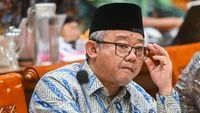
KPK Firmly Faces Second Pre-trial Motion from Asrul Azis Taba in High-Profile Hajj Quota Corruption Case


The Corruption Eradication Commission (KPK) of Indonesia is bracing to confront a second pre-trial motion initiated by Asrul Azis Taba, a prominent figure serving as Commissioner of PT Raudah Eksati Utama and Chairman of the Association of Hajj and Umrah Tour Travel Agencies of the Republic of Indonesia (Kesthuri). Taba, currently a suspect in the alleged corruption case involving additional Hajj quotas for the 2023-2024 period, has filed this latest legal challenge to contest the legality of search procedures conducted by the anti-graft agency. This development unfolds as the KPK asserts the completion of its investigation and the imminent transfer of the case to the prosecution phase, signaling a critical juncture in a scandal that has allegedly cost the state Rp622 billion. The Commission’s unwavering stance underscores its commitment to upholding the rule of law and ensuring accountability in a case that implicates high-ranking officials and has drawn significant public attention regarding the integrity of Hajj pilgrimage management.
KPK’s Resolute Stance and Legal Confidence
Responding to Taba’s renewed legal maneuver, KPK Spokesperson Budi Prasetyo affirmed the commission’s readiness to engage in the pre-trial proceedings. Speaking via a written message on Saturday evening, July 18, 2026, Prasetyo stated, "The KPK will face these pre-trial proceedings, respecting the authority of the panel of judges to examine the legality aspects of the investigators’ actions." This statement reiterates the KPK’s adherence to legal due process while maintaining firm confidence in its investigative methods.
Prasetyo further elaborated that all arguments and evidentiary tools forming the basis for the search operations will be transparently presented during the court hearings. The KPK expresses optimism that its investigative processes possess a robust legal foundation and can be thoroughly accounted for from a juridical perspective. This confidence is bolstered by the fact that the investigation has already been declared complete and formally transferred to the prosecution stage, a significant milestone indicating the agency’s belief in the strength of its case. "We assure that the entire series of investigative processes, including coercive actions such as searches, have been carried out professionally, in accordance with legal regulations, and fulfilling both the material and formal aspects as stipulated in the criminal procedural law," Prasetyo asserted. He concluded by inviting the public to continuously follow and monitor the legal proceedings of this significant case, emphasizing the importance of public oversight.
The Second Pre-trial Motion: Challenging Procedural Legality
Asrul Azis Taba’s second pre-trial petition is specifically aimed at scrutinizing the legality of the search operations carried out by the KPK. This legal recourse, a standard mechanism within Indonesia’s criminal justice system, allows suspects to challenge various aspects of an investigation, including the validity of their designation as a suspect or the procedures employed during investigative actions like searches and seizures. The petition was officially registered at the South Jakarta District Court on Friday, July 17, 2026, just three days after the KPK announced the finalization of its investigation into the alleged corruption of additional Hajj quotas.
The application is formally registered under case number: 121/Pid.Pra/2026/PN JKT.Sel. The inaugural hearing, during which Taba’s legal team will present their petition, is scheduled for Friday, July 24, 2026. This second challenge follows a previous pre-trial attempt by Taba, which was definitively rejected by the court.
Chronology of Legal Maneuvers and Investigation Milestones
The ongoing legal battle surrounding Asrul Azis Taba and the Hajj quota corruption case has unfolded through a series of significant events:
- Early Investigation (Pre-July 2026): The KPK commenced its investigation into the alleged corruption of additional Hajj quotas for 2023-2024, identifying initial leads and gathering evidence. This phase would have involved interrogations, document seizures, and potentially early search operations.
- Asrul Azis Taba Designated Suspect: At some point prior to his first pre-trial, Asrul Azis Taba was officially named a suspect by the KPK, triggering his initial legal challenge.
- July 6, 2026: First Pre-trial Rejection: Taba’s first pre-trial motion, which contested his designation as a suspect, was rejected by a single judge at the South Jakarta District Court, I Ketut Darpawan. The judge ruled that the KPK had adhered to the formal procedures of criminal law when naming Taba a suspect, thereby validating the agency’s initial action. This rejection affirmed the legal basis for Taba’s suspect status.
- July 14, 2026: Investigation Completion and Suspect Announcement: The KPK officially declared the completion of its investigation into the alleged Hajj quota corruption case. Concurrently, the commission publicly announced four individuals as suspects in connection with the scandal. This crucial step signifies that the KPK believes it has gathered sufficient evidence to proceed with prosecution.
- July 17, 2026: Second Pre-trial Filed: Asrul Azis Taba lodged his second pre-trial motion, this time challenging the legality of search procedures conducted by the KPK during its investigation. This move indicates a shift in his legal strategy from contesting his suspect status to questioning specific investigative actions.
- July 18, 2026: KPK’s Public Response: KPK Spokesperson Budi Prasetyo issued a statement confirming the agency’s readiness to face Taba’s second pre-trial, expressing confidence in the legality and professionalism of its actions.
- July 24, 2026: First Hearing for Second Pre-trial: The South Jakarta District Court is scheduled to hold the initial hearing for Taba’s second pre-trial motion, where the petitioner’s arguments will be formally presented.
- Post-Investigation (Ongoing): Following the completion of the investigation on July 14, the KPK’s Public Prosecutors (JPU) were allotted a maximum of 14 working days to meticulously prepare the indictment documents. These indictments will subsequently be submitted to the Corruption Court (Tipikor Court) for trial and adjudication.
The Hajj Quota Corruption Case: A Deeper Dive into the Allegations
Indonesia, as the country with the world’s largest Muslim population, sends hundreds of thousands of its citizens to Mecca for the annual Hajj pilgrimage. The demand for Hajj far outstrips the available quotas allocated by Saudi Arabia, leading to lengthy waiting lists that can stretch for decades. This immense demand, coupled with the sacred nature of the pilgrimage, makes the management of Hajj quotas highly susceptible to corruption, as any opportunity to bypass the official queue or secure additional slots can be incredibly valuable.
The current case centers on allegations of corruption related to "additional Hajj quotas" for the 2023-2024 period. Such additional quotas are typically granted under special circumstances, often through diplomatic channels, and are intended to serve specific, transparent purposes. Any manipulation or illicit sale of these quotas represents a profound breach of trust and potentially defrauds pilgrims who have waited for years.
Key Suspects and Their Alleged Roles:
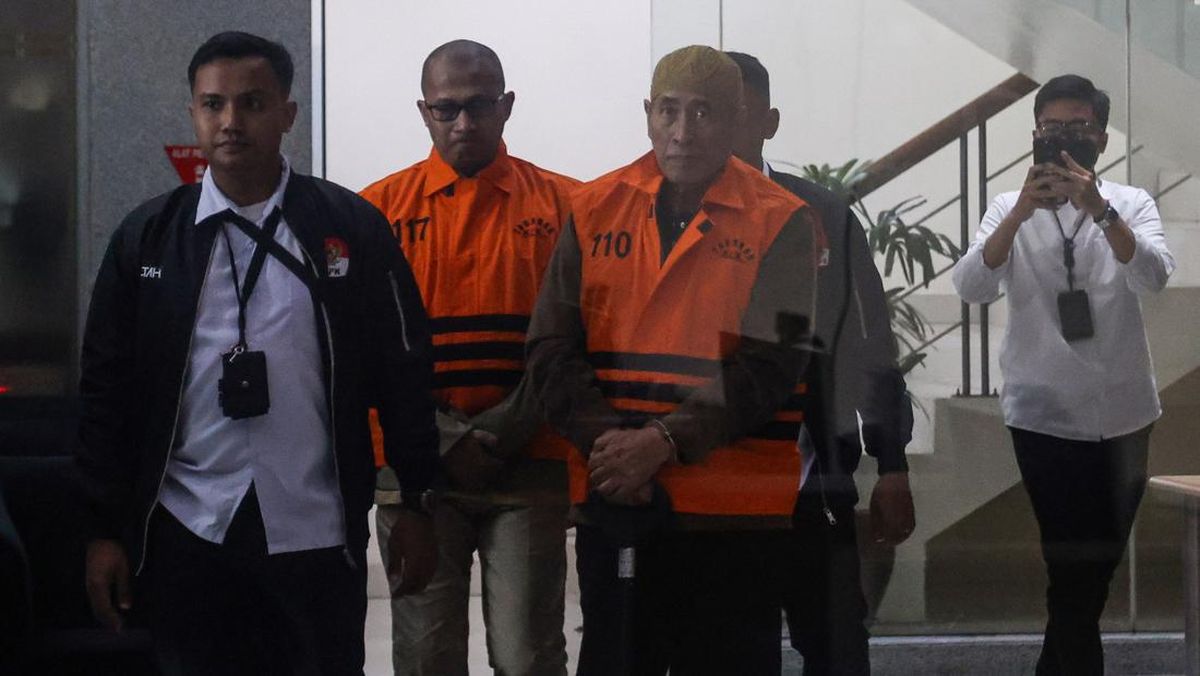
The KPK has named four individuals as suspects, indicating a broad scope of alleged involvement, from high-level government officials to figures within the Hajj travel industry:
- Asrul Azis Taba: As Commissioner of PT Raudah Eksati Utama, a travel agency, and particularly as Chairman of Kesthuri (Association of Hajj and Umrah Tour Travel Agencies of the Republic of Indonesia), Taba occupies a pivotal position within the Hajj travel ecosystem. His dual role could potentially provide avenues for influencing quota allocations or facilitating their illicit distribution. The association he leads represents a significant segment of the industry, raising questions about systemic vulnerabilities if such a high-ranking official is implicated.
- Yaqut Cholil Qoumas: Serving as the former Minister of Religious Affairs from 2019-2024, Yaqut Cholil Qoumas held the ultimate authority over Hajj pilgrimage administration in Indonesia. The Ministry of Religious Affairs is the primary government body responsible for managing Hajj quotas, pilgrim registration, and overseeing travel agencies. Allegations against a former minister suggest a potential abuse of power at the highest echelons of government to manipulate the quota system for personal gain or the benefit of specific entities.
- Ishfah Abidal Aziz: As a Special Staff member to former Minister Yaqut Cholil Qoumas, Aziz would have been in a position of close proximity and influence to the minister. Special staff often handle sensitive assignments and can act as conduits for policy implementation or, regrettably, for illicit activities. His alleged involvement points to a network of individuals within the ministry facilitating the corrupt scheme.
- Ismail Adham: The Operations Director of Maktour, another Hajj and Umrah travel agency, Adham’s alleged role highlights the direct involvement of private sector players in executing the corrupt scheme. Travel agencies are the primary interface with pilgrims, and their participation is crucial for distributing and utilizing Hajj quotas. His involvement suggests that the illicit quotas may have been channeled through specific agencies, potentially at inflated prices or to favored individuals.
Financial Impact and Legal Framework:
The alleged financial damage to the state is staggering: Rp622 billion, as calculated by the audit team of the Supreme Audit Agency (BPK) of Indonesia. This substantial sum underscores the severity of the corruption and its potential impact on public finances and services. Such a loss could represent funds diverted from legitimate Hajj programs, increased costs for pilgrims, or illicit profits gained by the perpetrators.
The legal basis for the KPK’s prosecution of this case relies on several key articles, demonstrating the multi-faceted nature of the alleged crimes:
- Article 2 paragraph (1) and/or Article 3 of the Law on the Eradication of Corruption Crimes (UU Tipikor) juncto Article 55 paragraph (1) section 1 of the Criminal Code (KUHP): These articles primarily address acts that unlawfully enrich oneself or others, causing financial losses to the state or the economy, or abusing authority, opportunities, or means available to one due to their position or office. The reference to KUHP Article 55 signifies that these acts were likely committed jointly by several individuals.
- Article 603 or Article 604 of Law Number 1 of 2023 concerning the Criminal Code (KUHP) juncto Article 20 letter (c) of the Law on KUHP: These new articles from the recently enacted Criminal Code (which will replace the old KUHP) relate to corruption that causes state financial losses, particularly concerning illicit enrichment or abuse of power. The reference to Article 20(c) of the UU KUHP likely pertains to the definition of a public official or the scope of corruption as defined in the new code. The use of these articles signals the KPK’s intent to apply the most relevant and stringent legal provisions available to ensure justice.
Broader Implications and Public Scrutiny
This high-profile corruption case carries significant broader implications for Indonesia. Firstly, it deeply impacts public trust in government institutions, particularly the Ministry of Religious Affairs, which holds immense responsibility for one of the most sacred duties for Indonesian Muslims. Allegations of corruption in Hajj management can erode faith in the state’s ability to govern fairly and transparently, especially when a former minister is implicated.
Secondly, it challenges the integrity of Hajj management. The Hajj pilgrimage is a cornerstone of Islamic faith, and its administration must be beyond reproach. Any hint of corruption tarnishes the sacred journey for millions of aspiring pilgrims and casts a shadow over the entire system, from quota allocation to travel agency operations. This case will undoubtedly lead to calls for enhanced transparency, more stringent oversight mechanisms, and perhaps a reevaluation of how additional quotas are managed.
The ongoing legal proceedings also highlight the KPK’s relentless fight against corruption and the challenges it faces. Pre-trial motions, while a legitimate legal right for suspects, can sometimes be perceived as attempts to delay or obstruct justice. The KPK’s resolve to counter these challenges demonstrates its commitment to pursuing cases to their conclusion, regardless of the defendants’ legal strategies or political stature. The public’s role, as encouraged by Spokesperson Budi Prasetyo, in monitoring the process is crucial for ensuring accountability and maintaining pressure for a just outcome.
Furthermore, the involvement of Kesthuri and travel agencies like Maktour suggests a potential systemic issue within the private sector entities that facilitate Hajj. This could lead to increased scrutiny of all Hajj and Umrah travel agencies, potentially resulting in stricter licensing, auditing, and compliance requirements to prevent future abuses. The case serves as a stark reminder that corruption can permeate various levels and sectors, necessitating comprehensive reforms.
Inferred Statements and Calls for Action:
While direct statements from all parties are not available in the original text, several reactions can be logically inferred:
- From the Defense (Asrul Azis Taba’s legal team): Their filing of the second pre-trial motion clearly indicates their intent to vigorously defend their client, utilizing all legal avenues available to challenge the KPK’s investigative methods. They are likely to argue procedural irregularities or lack of sufficient grounds for the search operations, asserting their client’s rights under the presumption of innocence.
- From Civil Society and Anti-Corruption Watchdogs: These groups would likely issue strong statements condemning the alleged corruption, especially given the involvement of Hajj quotas and a former minister. They would call for swift and transparent justice, emphasizing the need to recover state losses and hold all perpetrators accountable. They would also likely demand systemic reforms in Hajj management to prevent future occurrences.
- From the Ministry of Religious Affairs: Under a new leadership, the Ministry might issue statements reaffirming its commitment to clean governance, promising internal reviews, and implementing stricter controls over Hajj quotas and travel agency partnerships to restore public confidence. They might emphasize a zero-tolerance policy for corruption within the ministry.
Conclusion
The ongoing legal battle between the KPK and Asrul Azis Taba signifies a critical phase in Indonesia’s broader fight against corruption, particularly within the sensitive domain of Hajj pilgrimage management. With Rp622 billion in alleged state losses and a former minister among the accused, the stakes are exceptionally high. The KPK’s determination to face the second pre-trial motion head-on, coupled with its confidence in the robustness of its investigation, sends a clear message about its commitment to justice. As the case moves towards the preparation of indictments and subsequent trial at the Tipikor Court, public vigilance and transparent legal processes will be paramount to ensure that accountability is served, trust is restored, and the integrity of the sacred Hajj pilgrimage remains uncompromised. The outcome of this case will undoubtedly set a significant precedent for future anti-corruption efforts in Indonesia.
Related posts: