The Overprotective Parent Trap: Recognizing and Resisting the Urge to Shield Children from Every Challenge


July 21, 2026 – Jakarta, Indonesia – While the instinct to protect one’s children is deeply ingrained in parenting, a growing body of research and expert opinion suggests that excessive parental defense can inadvertently hinder a child’s development, leading to a host of negative consequences. Many parents, driven by an overwhelming sense of concern, may not recognize the subtle yet significant ways their overzealous protection is actually detrimental to their children’s long-term well-being. This phenomenon, often termed "helicopter parenting" or "overparenting," is a complex issue with profound implications for a child’s autonomy, resilience, and social competence.
The concern for a child’s safety and happiness is a universal parental aspiration. However, the line between appropriate safeguarding and excessive interference can be blurry, often crossed without conscious awareness. When parents consistently intervene in their children’s problems, make decisions for them, and shield them from any potential discomfort or failure, they inadvertently rob their children of crucial opportunities to learn, grow, and develop essential life skills. This article delves into the telltale signs of overprotective parenting and examines the far-reaching negative impacts it can have on children.
The Subtle Signs of Overprotective Parenting
Identifying overprotective parenting requires a keen observation of parental behaviors and their impact on a child’s independence. While some signs may appear benign on the surface, they often mask a deeper pattern of excessive control. Experts have identified several key indicators that suggest parents may be crossing the line:
1. Constant Intervention in Every Problem
A primary hallmark of overprotective parenting is the tendency to immediately step in and resolve any issue a child encounters. Parents may justify this by stating they simply want their child to be happy and avoid distress. This can manifest as constantly monitoring their child’s activities, inquiring about every detail of their day, and swiftly intervening in any conflict, whether it’s a minor disagreement with a peer or a challenging academic task. While the intention is to ensure the child’s well-being, this constant interference prevents children from developing their own problem-solving skills and learning to navigate social complexities independently. The underlying message conveyed to the child is that they are incapable of handling situations on their own, eroding their self-confidence and fostering a reliance on external support.
2. Making Unilateral Decisions
Another common trait is the tendency for parents to make decisions for their children, believing they possess superior knowledge and know what is best. This often occurs without genuine consultation or consideration of the child’s preferences or developmental stage. While parents are indeed responsible for guiding their children, consistently dictating choices, from academic paths and extracurricular activities to social engagements, stifles a child’s burgeoning sense of agency. This can lead to children who are passive, indecisive, and lack the ability to make sound judgments when faced with future decisions. The critical developmental stage of learning to weigh options, understand consequences, and take ownership of choices is bypassed, leaving them ill-equipped for adult life.
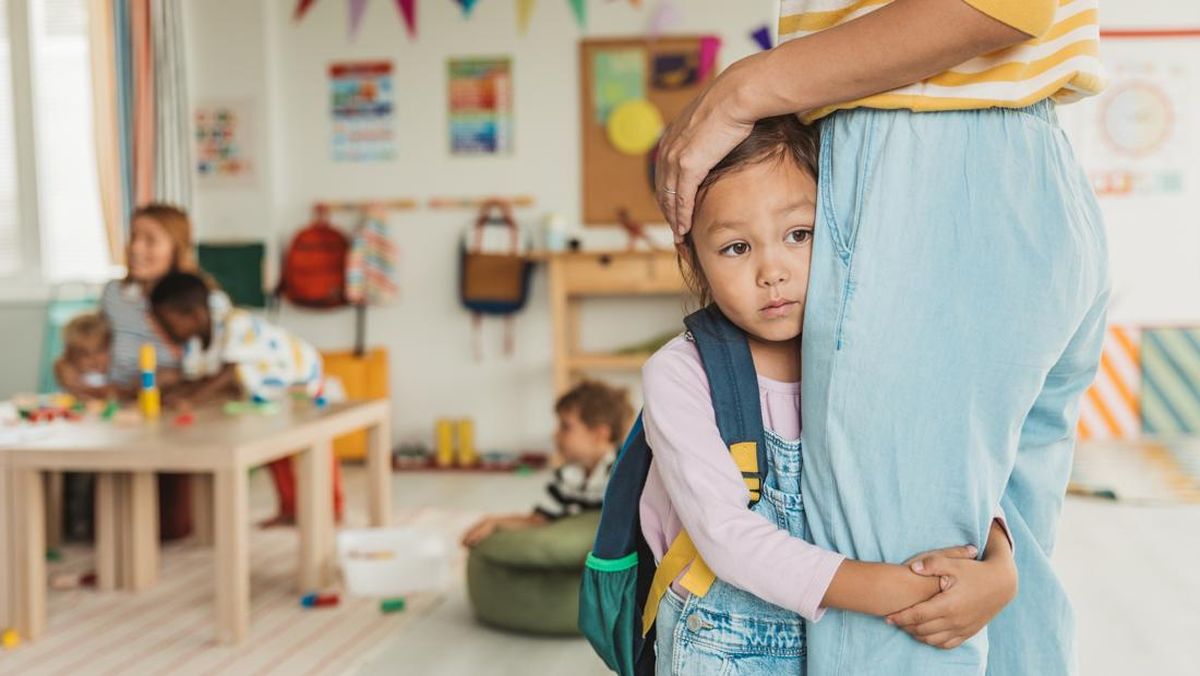
3. Dictating Social Interactions
A child’s social development is crucial for building relationships, understanding social cues, and forming a robust sense of self. Overprotective parents often exert significant control over their child’s social circle, either by discouraging certain friendships due to perceived risks or by actively orchestrating playdates and interactions. The underlying belief is often that others are not "good enough" or pose a threat to their child. This restriction can limit a child’s exposure to diverse perspectives and experiences, hindering their ability to develop empathy, negotiation skills, and the capacity to form healthy relationships. It can also lead to social isolation and a lack of understanding of social dynamics, making it difficult for them to integrate into broader social groups as they mature.
4. Controlling How Others Treat Their Children
Instances where parents dictate how other individuals should interact with their child are a clear indicator of overparenting. This can involve being overly critical of teachers, coaches, or even other children’s parents, demanding that their child be treated in a specific way or given special consideration. While advocating for one’s child is important, this level of control can create an entitled attitude in the child and strain relationships with others. It can also lead to confrontations and a perception of the child as being difficult or demanding. This behavior prevents children from learning to accept differing opinions, manage interpersonal conflicts constructively, and understand that the world does not always revolve around their individual needs and desires.
5. Always Defending the Child, Regardless of Fault
Perhaps the most overt sign is the unwavering defense of a child, even when they are clearly in the wrong. While it is natural to want to shield children from the consequences of their mistakes, wise parenting involves guiding them towards accountability. Overprotective parents often minimize their child’s misbehavior, blame others, or offer excuses, thereby preventing the child from learning the importance of responsibility and remorse. This consistent absolution of blame teaches children that they are exempt from consequences, fostering a lack of accountability and a diminished capacity for moral reasoning. It can lead to a sense of entitlement and an inability to learn from mistakes, a critical component of personal growth.
The Damaging Repercussions of Overprotection
The seemingly well-intentioned actions of overprotective parents can, paradoxically, create a breeding ground for negative outcomes, undermining the very development they aim to foster. The long-term consequences can be profound, impacting a child’s emotional, social, and psychological well-being.
One of the most significant impacts is the cultivation of a sense of entitlement and a lack of empathy. When children are consistently shielded from negative experiences and their actions are always excused, they can develop an egocentric worldview. They may come to believe that rules do not apply to them and that their needs and desires should always be prioritized, even at the expense of others. This can lead to difficulties in forming meaningful relationships, as they may struggle to understand or consider the feelings and perspectives of others.
Furthermore, overprotected children may develop a fragile sense of self-efficacy. Having consistently relied on their parents to solve problems and navigate challenges, they may lack confidence in their own abilities to handle life’s inevitable difficulties. This can manifest as anxiety, fear of failure, and a reluctance to step outside their comfort zone. The inability to bounce back from setbacks, a crucial aspect of resilience, can leave them ill-equipped to face the complexities of adulthood.

Socially, these children may find themselves ostracized. Their lack of empathy, coupled with a sense of entitlement, can make them unpopular among their peers. They may struggle to form genuine connections, leading to feelings of loneliness and isolation. In more extreme cases, this can result in social sanctions from their community as others grow weary of their perceived arrogance or lack of consideration.
Broader Context and Expert Analysis
The phenomenon of overparenting is not new, but its prevalence seems to be increasing in contemporary society. Several factors contribute to this trend. In many developed nations, birth rates have declined, leading parents to invest more emotional and financial resources into fewer children, heightening their anxiety about their child’s future. Additionally, a highly competitive academic and social landscape can pressure parents to ensure their children excel, leading them to micromanage every aspect of their child’s life.
Dr. Sarah Chen, a child psychologist specializing in developmental disorders, notes, "Parents today are often bombarded with information about potential dangers and the importance of early achievement. This can create a fear-based parenting approach, where the focus shifts from fostering independence to preventing any perceived harm, however minor." She emphasizes that while a certain level of parental guidance is essential, "allowing children to experience natural consequences, to fail and learn from those failures, is a vital part of building character and competence."
A 2023 study published in the Journal of Applied Developmental Psychology surveyed over 1,500 parents and found a significant correlation between high levels of parental monitoring and control and increased anxiety and depression symptoms in adolescents. The study concluded that "while parental involvement is generally beneficial, excessive control can undermine a child’s intrinsic motivation and self-regulation, leading to negative psychological outcomes."
Moving Forward: Cultivating Resilient and Independent Individuals
The journey of parenting is a delicate balance between providing support and fostering independence. Recognizing the signs of overprotective parenting is the first step towards recalibrating this balance. Instead of shielding children from every challenge, parents are encouraged to:
- Allow children to problem-solve: When a child faces a difficulty, resist the urge to jump in immediately. Instead, ask guiding questions like, "What do you think you could do?" or "What have you tried already?"
- Embrace natural consequences: Allow children to experience the natural outcomes of their choices, whether positive or negative. This is a powerful learning tool.
- Encourage autonomy: Provide age-appropriate opportunities for children to make their own decisions and take responsibility for their actions.
- Focus on effort and learning, not just outcomes: Praise your child’s effort and perseverance, rather than solely focusing on success. This builds a growth mindset.
- Model healthy risk-taking and resilience: Share your own experiences of overcoming challenges and learning from mistakes.
By shifting from a protective stance to one that empowers and guides, parents can equip their children with the essential skills and confidence needed to thrive in an increasingly complex world, fostering individuals who are not only successful but also resilient, empathetic, and self-assured. The goal is not to eliminate all challenges but to prepare children to face them with courage and competence.
Related posts: