The Unseen Heartbeat: Eight Critical Signs Your Automatic Scooter’s CVT Needs Immediate Attention

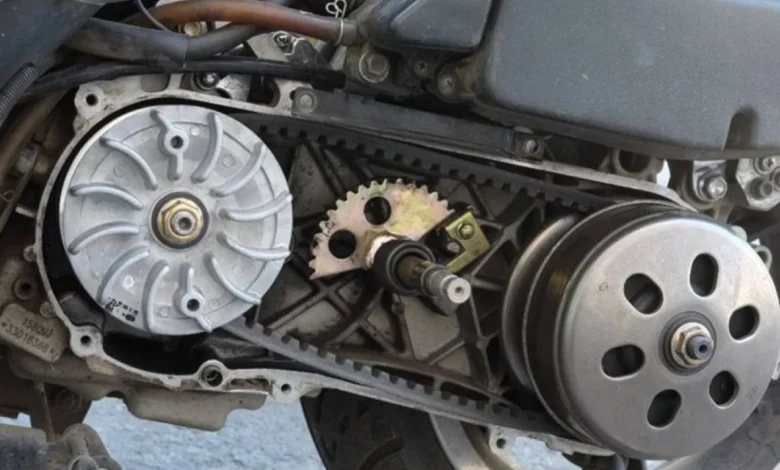
Regular maintenance is the cornerstone of keeping an automatic scooter’s performance at its peak. Beyond routine engine oil changes and scheduled servicing, owners must not overlook the vital care of the Continuously Variable Transmission (CVT), the primary automatic transmission system in these popular vehicles. The CVT’s role is crucial, efficiently transferring the engine’s power to the rear wheel, enabling smooth, gearless acceleration. However, its constant operation during every ride means components like the V-belt, rollers, clutch shoes, and pulleys are subjected to continuous wear and tear over time. Neglecting regular CVT maintenance can lead to a decline in performance, impacting both riding comfort and safety. Therefore, it is imperative for automatic scooter owners to be aware of the telltale signs that indicate their CVT requires servicing.
Understanding the CVT: The Automatic Scooter’s Dynamic Heart
The CVT system in automatic scooters is a marvel of engineering designed for seamless power delivery. Unlike traditional motorcycles with manual gearboxes, automatic scooters utilize a system that continuously adjusts the gear ratio to match the engine speed and load. This eliminates the need for manual gear shifting, offering a more relaxed and user-friendly riding experience, especially in stop-and-go urban traffic. The core components of the CVT include:
- V-Belt: A rubber belt that connects the drive and driven pulleys, similar to a bicycle chain. Its condition is paramount for efficient power transfer.
- Pulleys: Two sets of conical pulleys. The drive pulley (connected to the engine) and the driven pulley (connected to the rear wheel). Their diameter changes to alter the gear ratio.
- Rollers: Located within the drive pulley, these weighted components move outward due to centrifugal force as engine RPM increases, causing the drive pulley to narrow and effectively "shift up."
- Clutch Shoes (Kampas Kopling): These engage and disengage the drive from the transmission at low speeds and engage fully as the engine revs increase.
- Clutch Bell (Mangkuk Kopling): The housing for the clutch shoes, which spins with the driven pulley.
The dynamic interplay of these components allows for the smooth acceleration and deceleration that automatic scooters are known for. However, their constant motion and friction inevitably lead to wear.
The Silent Deterioration: Why CVT Neglect is Risky
When the CVT is not serviced periodically, its components can degrade, leading to a cascade of performance issues. A worn V-belt might slip, reducing power transfer. Degraded rollers can cause uneven acceleration or hesitation. Worn clutch shoes can lead to a delayed or jerky engagement. These issues, if left unaddressed, can not only diminish the riding experience but also pose significant safety risks. A sudden loss of power during overtaking, unexpected jolts, or a complete failure of the transmission can have serious consequences on the road.
Eight Critical Indicators Your Automatic Scooter’s CVT Needs Attention
Industry experts and manufacturers consistently emphasize the importance of proactive maintenance. Based on common service guidelines and observed symptoms, here are eight critical signs that your automatic scooter’s CVT is due for an inspection and service.
1. Reaching the Scheduled Mileage Interval
The most straightforward indicator for CVT servicing is the vehicle’s odometer. Motorcycle manufacturers typically recommend a CVT service every 8,000 to 10,000 kilometers (approximately 5,000 to 6,200 miles). During this scheduled service, a technician will typically perform a thorough cleaning of the CVT housing and inspect the condition of key components. This includes checking the V-belt for cracks or excessive wear, examining the rollers for flat spots or damage, assessing the clutch shoes for wear, and inspecting the pulleys for any signs of scoring or damage. It is crucial to consult your scooter’s owner’s manual or service book, as specific mileage intervals can vary significantly between different brands and models. For instance, high-performance scooters or those with specialized CVT designs might have slightly different recommendations. Adhering to these manufacturer-specified intervals is the most reliable way to prevent potential issues before they manifest as performance problems.
2. High-Intensity Usage Demands Sooner Servicing
The way a scooter is ridden significantly impacts its CVT’s lifespan. Scooters used daily for long commutes, frequently navigate congested city traffic with frequent starts and stops, or are regularly subjected to heavy loads will experience higher stress on their CVT components. This intensive usage accelerates wear and tear. In such scenarios, it is advisable to have the CVT inspected more frequently than the standard interval, perhaps every 5,000 kilometers (approximately 3,100 miles). Consulting with a trusted mechanic or referring to any model-specific guidelines for high-usage conditions can help determine an appropriate service schedule. The constant acceleration and deceleration in heavy traffic put a greater strain on the V-belt and the clutch engagement mechanism, leading to faster degradation.
3. Unusual Noises Emanating from the CVT Area
A healthy CVT system operates with remarkable quietness. Any deviation from this smooth operation, especially audible noises, should be a red flag. A persistent squealing, grinding, rattling, or any other unusual sound originating from the CVT housing is a strong indication that something is amiss. These noises can be attributed to various worn-out components. For example, a worn V-belt might produce a high-pitched squeal, especially under load. Damaged or improperly seated rollers can cause a rattling or grinding sound. Worn clutch shoes or their springs can lead to a metallic clattering. Even a worn bearing within the CVT system can manifest as a humming or grinding noise. Promptly investigating these sounds is crucial, as they often signal internal wear that, if left unaddressed, can lead to more severe damage.
4. Vibrations During Acceleration
Feeling abnormal vibrations when the throttle is applied is another significant symptom of a CVT problem. These vibrations are often most noticeable when the scooter is starting from a standstill or during initial acceleration. The cause can be multifaceted: worn rollers that are no longer moving smoothly within their guides can create a jarring sensation. Clutch shoes that are worn unevenly or are not making consistent contact can also induce vibrations. A V-belt that has developed flat spots or is starting to fray can also contribute to an uneven power delivery, resulting in noticeable vibrations. Over time, these vibrations can become more pronounced, significantly impacting rider comfort and potentially leading to fatigue on longer journeys.
5. A Perceptible Loss of Power or Sluggish Acceleration
A noticeable decrease in the scooter’s acceleration performance or a general feeling of sluggishness is a direct consequence of an underperforming CVT. If the scooter feels heavier when you try to accelerate, its responsiveness to the throttle is diminished, or it takes longer to reach desired speeds, it’s highly likely that the engine’s power is not being transmitted efficiently to the rear wheel. This can be due to a variety of CVT component failures. A stretched or worn V-belt may slip, preventing full power transfer. Rollers that are worn or stuck can fail to move correctly, leading to a suboptimal gear ratio. Degraded clutch shoes may not engage fully, causing slippage and power loss. This reduced efficiency not only impacts performance but also indirectly affects fuel economy, as the engine has to work harder to achieve the same outcome.
6. Difficulty Starting the Scooter
While difficulty starting a scooter can stem from various issues, including a weak battery or electrical problems, a compromised CVT can also contribute to this symptom. In normal operation, a scooter’s engine should start readily. However, if the CVT components are severely worn or have seized in a particular position, they can create excessive drag on the engine during the starting process. This can make the starter motor work harder, leading to a weaker crank or even preventing the engine from turning over effectively. If the difficulty in starting is accompanied by a weak or heavy engine sound during cranking, it warrants a thorough inspection of the CVT system alongside other potential culprits like the battery and starter motor.
7. Increased Fuel Consumption
An inefficient CVT system can directly translate to a noticeable increase in fuel consumption. When the CVT components are worn, the engine’s power is not being delivered to the rear wheel with optimal efficiency. To compensate for this power loss and maintain performance, the engine management system may instruct the engine to run at higher RPMs or inject more fuel. This means the engine has to work harder to achieve the same speed or acceleration it once did, leading to a disproportionately higher demand for fuel. If you notice your scooter becoming significantly more fuel-thirsty without any other apparent reasons, such as changes in riding style or external conditions, an inspection of the CVT’s condition should be a priority. This is a subtle but significant indicator of an underlying problem that affects both your wallet and the environment.
8. The CVT Indicator Light Illuminates
Modern automatic scooters are increasingly equipped with sophisticated onboard diagnostics, including a dedicated CVT warning light on the instrument cluster. If this indicator illuminates, it signifies that the scooter’s internal monitoring system has detected a fault or anomaly within the CVT system. This warning light is a direct alert from the vehicle’s computer and should never be ignored. It suggests that a component may be malfunctioning, operating outside its normal parameters, or that a sensor has detected an issue. Upon seeing this light, it is imperative to take the scooter to an authorized service center or a reputable mechanic as soon as possible. They will have the diagnostic tools to read any error codes and perform the necessary inspections and repairs to address the detected problem.
The Paramount Importance of Proactive CVT Servicing
The benefits of regular CVT servicing extend far beyond simply addressing immediate symptoms. It is a preventative measure that safeguards the longevity and optimal functioning of the scooter’s entire powertrain. The process involves more than just cleaning the transmission housing of accumulated dust and debris. It entails a detailed examination of all internal components that are constantly subjected to friction and stress during operation.
By identifying and replacing worn parts before they fail completely, owners can prevent more catastrophic and expensive damage. For instance, a V-belt that snaps while riding can potentially damage other CVT components, leading to a much higher repair bill. Timely servicing helps maintain smooth acceleration, ensuring a comfortable and enjoyable riding experience. It contributes to better fuel efficiency by ensuring the engine is operating within its optimal power band. Ultimately, consistent CVT maintenance significantly extends the lifespan of the transmission system, saving owners money on repairs and replacements in the long run.
Beyond the CVT, owners should maintain a comprehensive approach to vehicle care. Regular servicing of other critical systems, including the engine, braking system, tires, and electrical components, ensures that the entire scooter operates in peak condition. This holistic approach to maintenance not only enhances safety and reliability but also preserves the resale value of the vehicle.
In conclusion, the CVT is the unsung hero of the automatic scooter, enabling its characteristic smooth and effortless ride. Recognizing the eight critical signs outlined above and committing to regular, proactive maintenance will ensure that this vital component continues to perform optimally, providing riders with years of dependable and enjoyable mobility. The investment in timely servicing is an investment in the scooter’s performance, safety, and longevity.