Understanding and Addressing Motorcycle Brake Squeal: A Comprehensive Guide to Maintenance and Safety

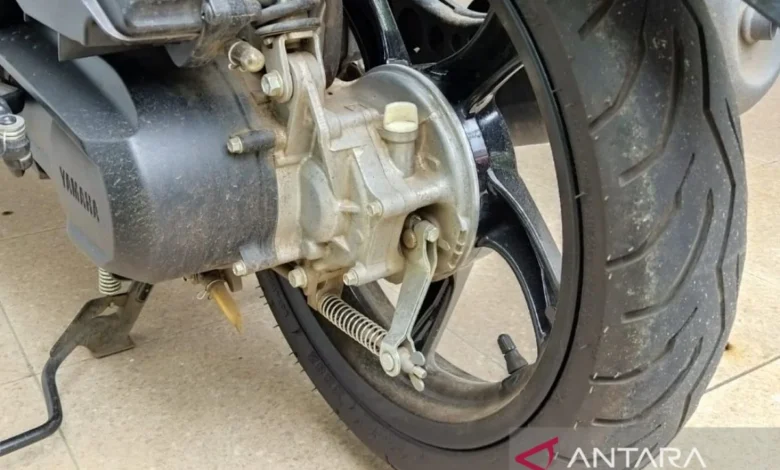
The rhythmic, high-pitched screech of motorcycle brakes is more than just a nuisance; it is a critical auditory signal that serves as an early warning system for vehicle health. While many riders dismiss occasional squealing as a byproduct of environmental factors like humidity or dust, professional mechanics and manufacturers emphasize that consistent, abnormal noises from the braking system are significant indicators of mechanical wear or component failure. Given that the braking system is the primary safety mechanism of any motorcycle, understanding the root causes of these sounds is essential for preventing accidents and ensuring optimal performance on the road.
The Anatomy of Brake Noise: Why It Happens
Brake systems rely on friction to convert kinetic energy into thermal energy, effectively slowing or stopping the vehicle. When this process is interrupted by foreign debris, structural degradation, or incorrect installation, the vibration between the brake pads and the disc (or drum) manifests as a squeal.
Historically, motorcycle manufacturers have sought to mitigate this noise through the development of organic, semi-metallic, and sintered brake pad compounds. However, regardless of the material, all pads are subject to the laws of physics. Friction surfaces must remain clean and aligned to function silently. When a motorcycle traverses debris-heavy environments, such as construction zones or flooded streets, microscopic particles of sand and road grime can embed themselves into the pad material or adhere to the rotor, acting as abrasive agents that trigger high-frequency vibrations—the "squeal" that riders hear.
A Chronological Perspective on Brake Degradation
The lifecycle of a brake pad typically follows a predictable trajectory, though external factors can significantly accelerate the timeline of failure.
- Initial Break-in (Bedding-in): Immediately following the installation of new pads, there is a period known as "bedding-in." During this phase, a thin, uniform transfer layer of pad material is deposited onto the rotor surface. If this process is rushed or if the surfaces are contaminated, uneven material transfer can lead to persistent noise.
- Optimal Performance Period: Once the bedding process is complete, the brake system provides the most consistent stopping power with minimal noise. This stage is maintained through regular cleaning and lubrication of non-friction parts, such as the slide pins in the caliper.
- The Wear Threshold: As the friction material thins, the internal backing plate or the integrated wear indicators begin to influence the dynamics of the brake. Once the pad reaches its minimum thickness—usually defined by the manufacturer at around 1.5mm to 2mm—the potential for metal-on-metal contact increases dramatically.
- Failure and Degradation: If the wear threshold is ignored, the resulting contact between the metal pad backing and the steel rotor can cause permanent scoring of the disc, leading to increased stopping distances and a compromised safety profile.
Technical Analysis: Factors Beyond Wear
While pad thinning is the most common culprit, industry data from motorcycle service centers suggests that nearly 30% of reported brake noise is attributed to secondary components.
The Role of the Caliper and Piston Assembly
The brake caliper is responsible for housing the pads and applying pressure to the rotor. Over time, road salt, moisture, and dust can cause the caliper’s piston to seize or the slide pins to become dry. When this occurs, the brake pad may not retract fully from the rotor surface when the lever is released. This creates a state of constant, light friction, which leads to heat buildup and, inevitably, the characteristic squeal caused by "brake drag."
The Impact of Contamination
Modern braking systems are highly sensitive to chemical contamination. Hydraulic fluid leaks, stray chain lubricant, or improper cleaning agents can coat the pads. Because these materials are non-compressible and interfere with the friction coefficient of the pad, they can cause the pads to "glaze over." Glazed pads become hard and smooth, losing their ability to "bite" the rotor, which results in both noise and a significant reduction in braking efficiency.
Official Guidelines and Industry Recommendations
Leading motorcycle manufacturers have consistently maintained that riders should not attempt to "self-diagnose" severe braking issues. Industry standards, such as those published in comprehensive service manuals by brands like Honda, Yamaha, and Kawasaki, advocate for a proactive maintenance schedule rather than a reactive one.
A representative from a regional motorcycle technical association noted, "Many riders treat brakes as a ‘fit and forget’ component. However, the integrity of the entire motorcycle is tied to its ability to stop. If a rider hears a metallic grinding sound—distinct from a light squeal—this is an emergency mechanical indicator. At this point, the structural integrity of the rotor is likely being compromised, and the motorcycle should be transported to a certified service facility immediately."
The Economic and Safety Implications
The cost of replacing a set of brake pads is negligible compared to the potential financial and physical repercussions of a brake failure. Analysis of accident reports involving motorcycles often highlights "failure to stop in time" as a primary causal factor. While this is often attributed to human error, mechanical neglect—such as worn brake lines or neglected, squealing pads—plays an under-reported role.
From a maintenance standpoint, the "Rule of Three" is often applied:
- Visual Inspection: Inspect pads for thickness every 3,000 to 5,000 kilometers.
- Auditory Vigilance: Address any noise that persists after the vehicle has reached operating temperature or after a thorough cleaning.
- Professional Audit: Engage a qualified mechanic to check for rotor warpage and hydraulic pressure issues every 10,000 kilometers or annually.
Troubleshooting and Remediation Steps
If a rider identifies that their motorcycle is emitting a persistent squeal, the following systematic approach is recommended:
Phase 1: The Cleaning Cycle
Often, simply cleaning the calipers and rotors with a dedicated, residue-free brake cleaner can resolve noise caused by dust or light surface oxidation. Riders should ensure that the motorcycle is cool before application to prevent thermal shock to the metal components.
Phase 2: The Inspection of Wear
Using a flashlight, check the depth of the friction material. If the groove on the pad is no longer visible, the pad is at the end of its life. Furthermore, inspect the rotor for circular score marks. If the surface is deeply grooved, the rotor may require machining or replacement to ensure that new pads seat correctly.
Phase 3: Lubrication of Hardware
It is vital to distinguish between the friction surface and the hardware. While the pad surface must remain dry, the rear of the pad and the sliding components of the caliper should receive a light coating of high-temperature brake grease. This helps dampen vibrations that contribute to high-frequency noise.
Phase 4: Component Replacement
If the pads are contaminated with oil or grease, they must be replaced. Attempting to clean oil-soaked pads is generally ineffective, as the material is porous and will continue to leach the contaminant under the heat of braking.
Conclusion: Prioritizing Proactive Care
The auditory feedback provided by a motorcycle’s brake system is a vital component of safe operation. While minor noises after a heavy rain or a wash are common and often self-correcting, any change in the sound profile of the brakes should be treated as a prompt for maintenance. By adhering to a rigorous schedule of cleaning, inspecting, and replacing components, riders can ensure that their machine remains reliable and, more importantly, safe.
In an era where motorcycles are increasingly equipped with advanced systems like ABS (Anti-lock Braking System), the mechanical foundation of the brake—the pads and rotors—remains the final arbiter of stopping power. As the industry moves toward higher performance and more complex braking technology, the fundamental requirement remains unchanged: consistent, well-maintained contact between the pad and the rotor is the only way to guarantee a safe journey. Riders are encouraged to consult their specific owner’s manual for the torque specifications and maintenance intervals unique to their model, ensuring that every ride ends as safely as it begins.